
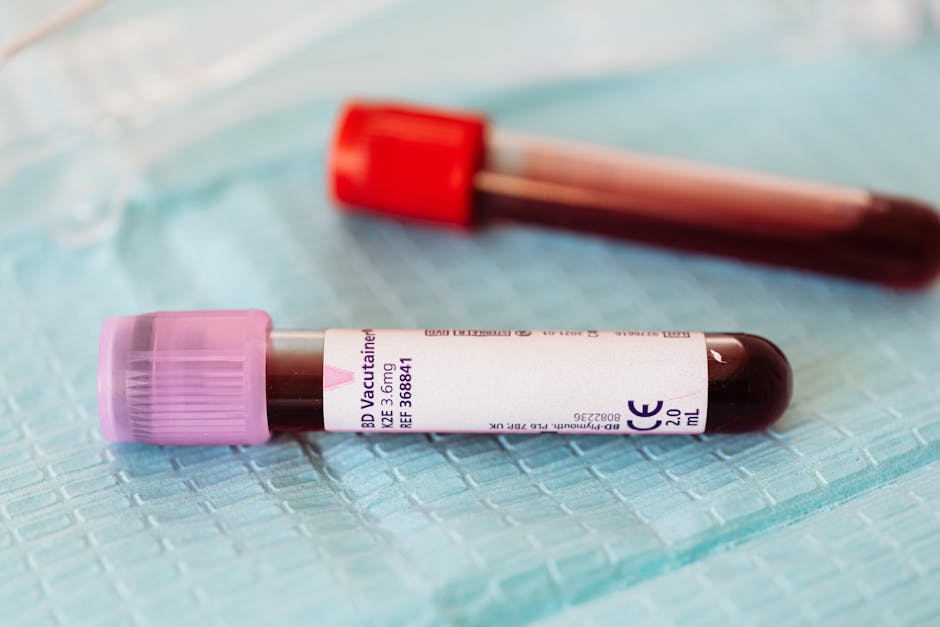
A cyberattack disrupted cold-storage monitoring at three French Blood Establishment (EFS) sites, but no blood products or samples were lost or compromised, the EFS and French authorities said. The affected equipment held blood samples and plasma bags intended for transfusions and medicine manufacturing. Staff transferred or secured the products, and blood collection and distribution continued without interruption.
Blood storage secured
The EFS said the incident on Monday affected monitoring and control systems for cold-storage rooms at three sites. In a statement released late Tuesday, it said the systems’ temperature and defrosting thresholds had been raised to extremely high levels. The EFS reported “no health impact” and “no loss of blood products”; it also said “no blood products or samples were compromised.”
Le Canard Enchaîné, the French weekly newspaper that first reported the incident, said settings normally at minus 30 Celsius (minus 22 Fahrenheit) had been targeted for adjustment to as high as 110 C (230 F). France 24 reported the same figures. The Health Ministry said monitoring and alarm systems, along with immediate precautionary measures, preserved the blood supply.
The EFS said the attack affected a refrigeration service provider rather than directly targeting the establishment. Refrigeration company Coolworld, identified in French media reports as an EFS supplier, said the incident “concerns a component supplied by a third-party provider and not directly controlled by Coolworld.” The company separately said the reported vulnerability involved a third-party supplier’s component “outside Coolworld’s direct control.” Coolworld said only a “limited number” of its units were affected and that it was taking “appropriate measures.”
The French national cybersecurity agency and the Health Ministry were investigating the blood-storage incident and how it happened. Authorities gave no indication of who might have carried out the attack. They said the situation remained under control and under close monitoring, as they assessed when the equipment could safely return to service.
Supermarket disruption spreads
Cyberattacks also affected supermarket refrigerators and freezers in Europe, forcing stores to discard spoiled food. Reports said stores in eight European countries threw away large quantities of food; another report described impacts across seven countries and said hundreds of shops were targeted in an overnight attack. Some thermostats were remotely raised to 50C (122F), while attackers put other units into defrost mode, bringing temperatures to 15C rather than minus 22C. Reports described tons of spoiled food and losses worth millions of dollars (euros).
The attacks echoed an incident in mid-October that affected hundreds of supermarkets and independent stores in France, Belgium and the Netherlands. A separate account said dozens of French supermarkets were hit three weeks earlier.
Dutch retail conglomerate Ahold Delhaize said an earlier cyberattack affecting stores in the Netherlands, Belgium and the United States could reduce fourth-quarter sales by up to 250 million euros ($281 million) and operating income for the period by up to 100 million euros. CEO Franz Muller said: “While most of the disruption was contained within two weeks, work continues to fully restore our normal operations.” He added: “As we all recognize, cyber threats are an increasingly harsh reality of doing business today.” The company said it had blamed “malicious actions by others” and proactively taken some systems offline, including websites and apps for its brands in Europe and the United States.
French digital minister Anne Le Hénanff told the country’s Senate that attacks on French refrigerators “have directly targeted our economy and our supply chain.” She said their objective may also be “to undermine the unity of our country and to create anxiety among the population.” The UK National Cyber Security Centre called the attacks a “wake-up call” and urged British retailers to update software on fridge temperature controllers, saying “digital infrastructure remains outdated and vulnerable.”
- cyberattacks
- refrigeration systems
- supermarkets
- french blood establishment
- blood supply
- coolworld
- europe