
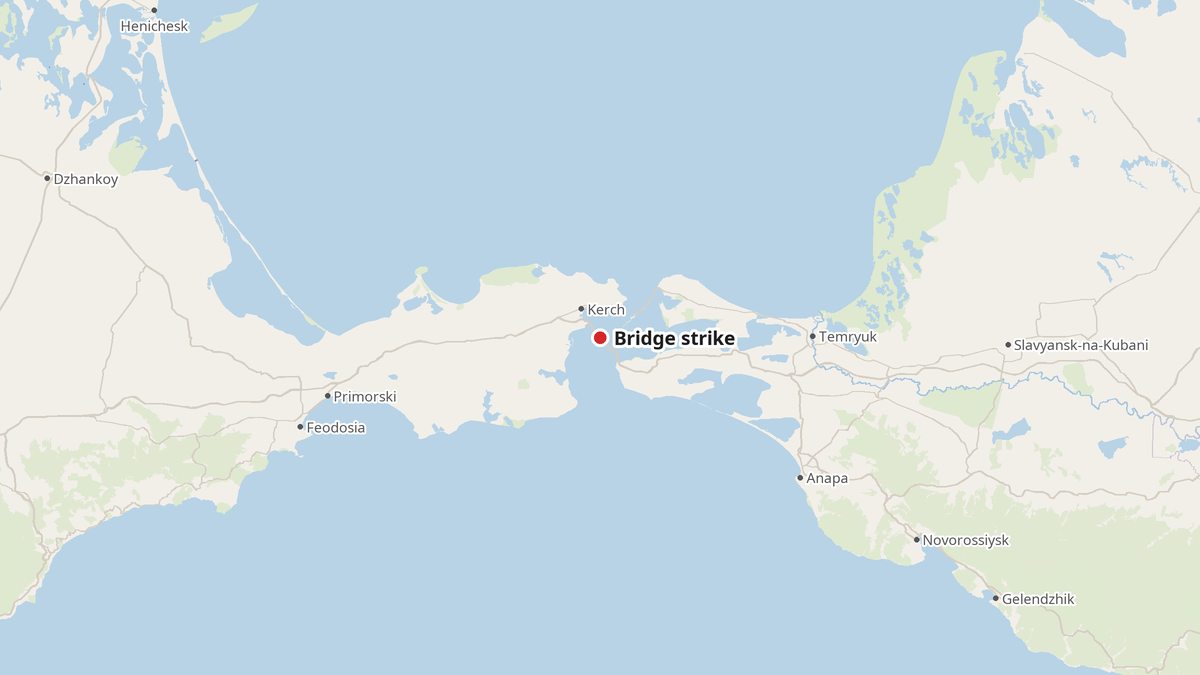
Vladimir Putin said on Nov. 19 that Russia would no longer discuss ceasefires for energy infrastructure and Black Sea shipping after Ukraine struck the Crimean Bridge. His announcement ends talks on limiting attacks against civilian infrastructure and commercial vessels, even as Russia’s war continues to damage bridges and energy systems across Ukraine.
Ceasefire talks end
Putin said he had discussed possible ceasefires covering energy infrastructure and commercial vessels in the Black Sea with members of Russia’s Security Council. He asked them to consider the proposals and return to the issue, saying an agreement might be possible. After the attacks, he said, “we will not negotiate.”
His remarks marked his first public reaction to the strikes. The Crimean Bridge sustained “serious damage,” he said. Putin also threatened retaliation: “Our retaliatory actions... will be far more painful than what (Ukraine) did to the bridge... With today’s precision weapons, it’s not that difficult to do.” He added, “We will respond.”
Russia built the bridge after occupying the peninsula in 2014. It serves as a critical supply and transport route for Russian forces in occupied Ukrainian territories. A Ukrainian Flamingo missile strike collapsed a section of its roadway overnight on Nov. 17.
Infrastructure under attack
Ukraine has repeatedly urged Russia to accept limited ceasefires for specific sectors. Kyiv proposed halting attacks on Russian oil refineries in exchange for an end to Russian strikes on Ukraine’s civilian energy infrastructure. Moscow rejected the proposal.
Russia’s refusal also shaped the latest peace talks in Abu Dhabi. A person familiar with the discussions told the Kyiv Independent earlier that the Russian delegation arrived with strict instructions and showed little willingness to discuss an energy ceasefire or other measures to de-escalate the war.
On Nov. 17, Russian forces struck Kyiv’s Northern and Southern bridges over the Dnipro River as part of a wider attack on cities across Ukraine. The strikes added bridges in the capital to a list of infrastructure targets that President Volodymyr Zelensky said also included sites in Zaporizhzhia, Dnipro and the Odesa region.
“We have repeatedly offered Russia steps toward de-escalation — and every proposal has been met with loud rejection,” Zelensky said. “Russia strikes our infrastructure every day, including bridges in Zaporizhzhia, Dnipro, Kyiv, and the Odesa region.”
Civilian systems and military supply routes
The competing attacks show the civilian stakes of infrastructure warfare. Ukraine’s proposal linked Russian oil refineries to strikes on civilian energy systems, while the Crimean Bridge serves Russian military supply and transport needs in occupied Ukrainian territories. The proposed ceasefires would have covered energy infrastructure and commercial shipping in the Black Sea; neither side has agreed to them.
Zelensky said Ukraine was restoring damaged infrastructure. “We are restoring our infrastructure. But we are also reminding Russia that war will always return to where it began,” he said.
Putin’s Nov. 19 statement takes the proposed sector-specific ceasefires off the negotiating table. The Russian president offered no new terms for talks and threatened a more painful response to Ukraine’s strike. For people who depend on civilian energy systems and transport links, the attacks and failure to secure limits leave infrastructure exposed to further damage.
- vladimir putin
- crimean bridge
- ukraine
- russia
- black sea
- ceasefire
- energy infrastructure
- flamingo missile