
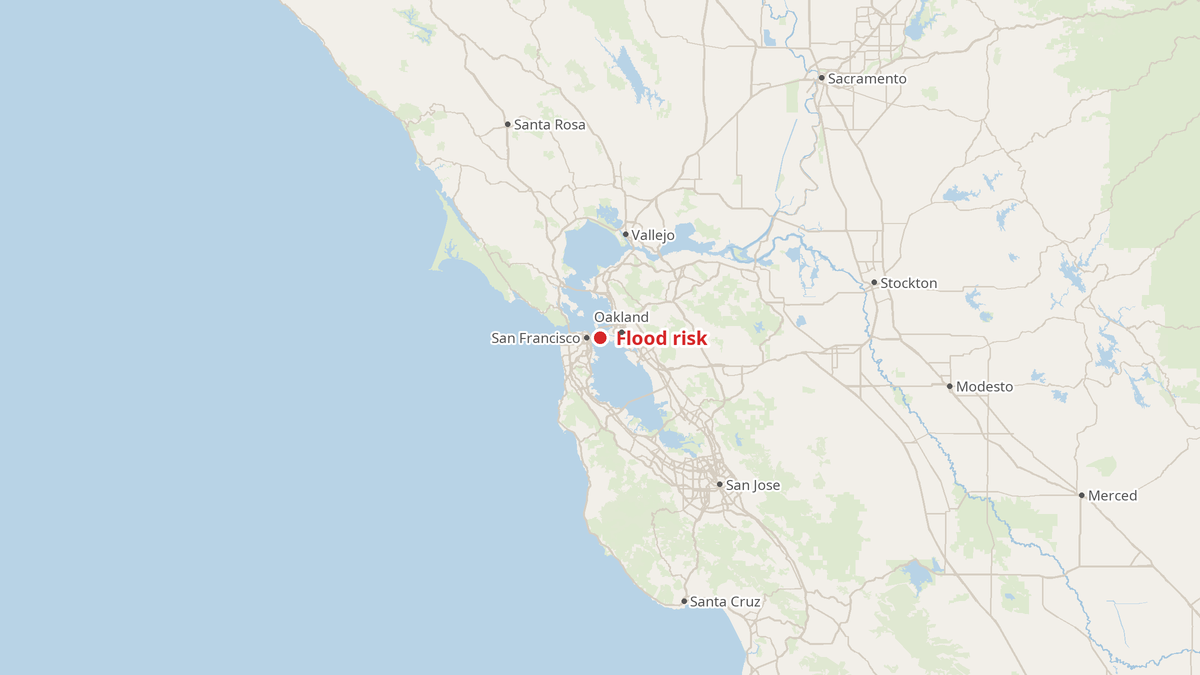
Only about 7% of California residents have flood insurance, according to the Public Policy Institute of California, leaving many homeowners exposed to costly repairs after an atmospheric river brought record-breaking rain and flooding across the state.
The storm also caused widespread power outages and flight delays. Experts warned that more storms could bring further flooding, with uninsured households facing difficult recoveries and limited alternatives for covering serious property damage.
Carolyn Kousky, founder and executive director of Insurance for Good, said the El Niño weather pattern has “radically escalated flood risk in California for this winter.” She said the danger extends to areas behind levees, where structural measures manage river flooding, as well as places exposed to atmospheric rivers that can carry enormous amounts of water.
Insurance and the Cost of Recovery
Kousky said households with flood insurance would have more money to rebuild after a disaster, allowing them to return more quickly and fully to the local economy. Her team's research found that local economies do better when more households in a community have flood insurance.
The alternatives have limits. Affluent households might have sufficient savings, Kousky said, but most Americans don't have enough liquid savings to cover disasters. Federal loans may provide money quickly, but borrowers must repay them and face a major financial burden.
FEMA can authorize spending from several programs when a president issues a disaster declaration. Individual assistance provides households a few thousand dollars for immediate needs, but Kousky said it was never designed to replace insurance and isn't enough to make a household whole.
Kousky described serious federal aid for California this winter as “highly unlikely” under the current administration, citing what she described as its targeting of blue states. She said that could leave communities facing long and poor recoveries that spill over into local economies.
Coverage Gaps and Government Limits
The National Flood Insurance Program makes coverage available in almost every U.S. community with some degree of flood risk. Participating communities adopt baseline floodplain regulations in the FEMA-mapped 100-year floodplain in exchange for making residents eligible to buy coverage through the program.
The mandatory-purchase requirement increases take-up within special flood hazard areas. Outside those areas, coverage is “almost non-existent,” Kousky said. A private residential flood-insurance market has grown, but it remains far smaller than the federal program.
Kousky said FEMA conducted outreach in California during the last “super El Niño” year, explaining flood risk and the importance of insurance and prompting a surge in purchases. She said FEMA is now “completely absent” from that type of engagement. The state has made some efforts, she said, but residents haven't received as much explanation about why flood insurance matters or that anyone can buy it.
Coverage takes 30 days to take effect, Kousky said. She urged people seeking protection against a potential flood to buy it immediately and said she wasn't sure that message was getting out.
Kousky also serves on the Securing California's Flood Future panel, which released a report recommending five actions the state could take to build flood resilience.
Storm Warnings for the Coast
Chad Merrill, a senior meteorologist with AccuWeather, said the Bay Area was on pace to break its record for the wettest November, with another storm expected to bring rain and gusts capable of damaging trees and causing power outages.
The full moon on Nov. 25, combined with the Kelvin Wave—a steady wave of warm water that has contributed to a “super” El Niño—could cause significant coastal flooding from the Bay Area to Southern California, Merrill said.
“There's going to be potentially a historical coastal flooding event,” he said. “There's going to be some rain leading to flooding inland, but at the coast there's going to be some extreme problems, and there's going to be a lot of parking lots underwater.”
Merrill advised homeowners to prepare sandbags and make sure their roofs were secure and not leaking. El Niño winter storms were expected to peak in December and January, he said, and residents should expect a steady stream of flood warnings without becoming complacent.
Christmas could bring even worse flooding than the following week, Merrill said. A supermoon on Christmas Eve, when the moon is closest to Earth, could raise tides to “catastrophic” levels. “It could set all kinds of records in terms of flooding,” he said.
Heavy rain was expected to keep wildfire risk low through winter. Merrill cautioned, however, that an above-average number of downed trees could provide more fuel for fires once conditions dry out.
Why This Matters: California's insurance gap places the cost of serious flood damage squarely on households that may lack the savings to rebuild. Federal loans carry repayment obligations, and FEMA's individual assistance isn't designed to make a household whole. Insurance can give families resources to recover and return to local economic activity, but coverage isn't immediate: Kousky said it takes 30 days to take effect. With more storms forecast and coverage especially scarce outside special flood hazard areas, homeowners face a choice before disaster strikes—not after the bills arrive.
- california flooding
- flood insurance
- el niño
- atmospheric river
- fema
- national flood insurance program
- bay area
- coastal flooding