
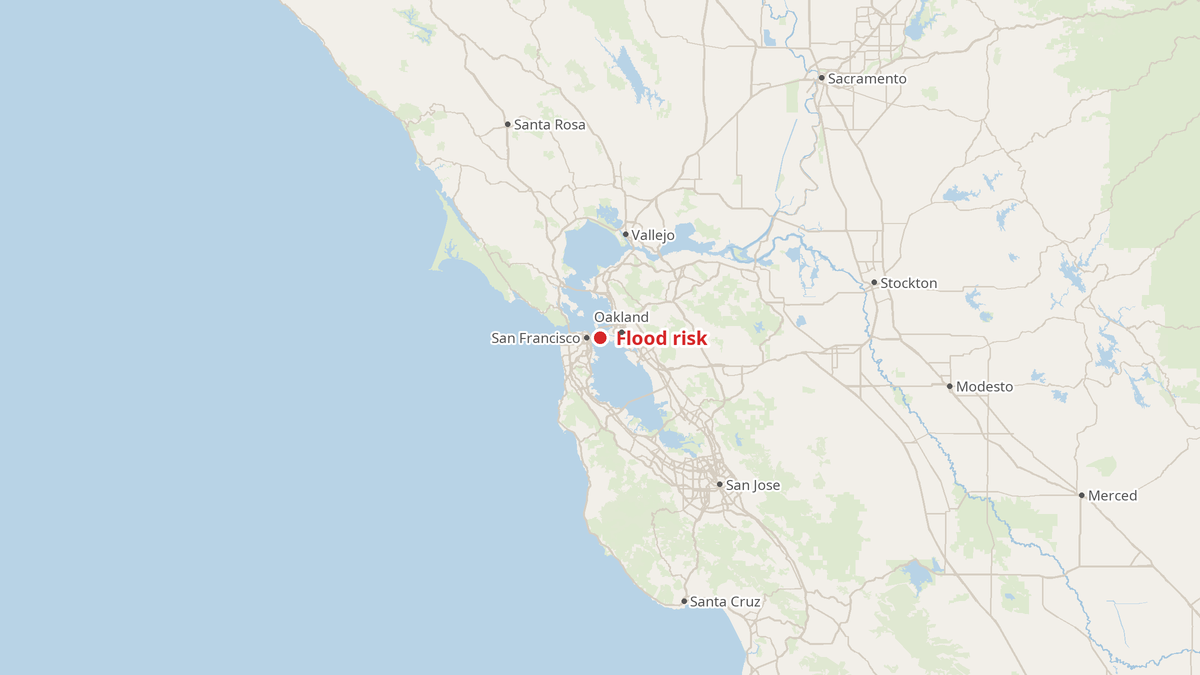
Only about 7% of California residents have flood insurance, according to the Public Policy Institute of California, as an atmospheric river brought record-breaking rain, flooding, widespread power outages and flight delays across the state this week. Further storms could leave homeowners facing costly recoveries without adequate coverage.
Who Pays for Recovery
Carolyn Kousky, founder and executive director of Insurance for Good and a member of the Securing California's Flood Future panel, said more households with flood insurance would have more money to rebuild after a disaster and return more quickly to the local economy. Without insurance, many people have no other source of money after serious property damage.
Affluent households might have enough savings to absorb losses. Most Americans, Kousky said, don't have enough liquid savings to cover disasters. Federal loans can provide money quickly, but borrowers have to repay them and face a major financial burden. Kousky said her team's research found local economies do better when more households in a community carry flood insurance.
The state panel released a report last month recommending five actions to build flood resilience. Kousky said California faces flood risks behind levees, where structural measures manage river flooding, and from atmospheric rivers that can bring enormous amounts of water. The El Niño weather pattern has "radically escalated flood risk in California for this winter," she said.
Coverage and Federal Aid
The National Flood Insurance Program was created more than 60 years ago. Almost every U.S. community with some degree of flood risk participates, adopting baseline floodplain regulations in FEMA-mapped 100-year floodplains in exchange for making residents eligible to buy coverage through the program.
The mandatory-purchase requirement increases insurance take-up within special flood hazard areas. Outside them, coverage is "almost non-existent," Kousky said. A private residential flood-insurance market has grown in recent years, but it remains far smaller than the federal program.
When a president issues a disaster declaration, FEMA can authorize spending through several programs, including individual assistance that gives households a few thousand dollars for immediate needs. Kousky said that aid was never designed to replace insurance and isn't enough to make a household whole.
Serious federal aid for California this winter was "highly unlikely" under the current administration, Kousky said, citing what she described as its targeting of blue states. She said that could mean long and poor recoveries spilling over into local economies.
Warnings and Public Outreach
During the last "super El Niño" year, which Kousky said was not nearly as bad as this year, FEMA conducted outreach in California on flood risk and insurance, prompting a surge in purchases. She said FEMA is now "completely absent" from that type of engagement. The state has made some efforts, but Kousky said residents haven't received as much explanation about the importance of insurance or that anyone can buy it.
Flood coverage takes 30 days to take effect, she said, so people seeking protection against a potential flood need to buy it immediately. Kousky wasn't sure the message was getting out.
Chad Merrill, a senior meteorologist with AccuWeather, said the Bay Area was on pace to break its record for the wettest November. Another storm was expected to bring rain and gusts that could damage trees and cause power outages. Merrill said the full moon on Nov. 25, combined with the Kelvin Wave, a steady wave of warm water contributing to a "super" El Niño, could cause significant coastal flooding from the Bay Area to Southern California.
"There's going to be potentially a historical coastal flooding event," Merrill said. He warned of inland flooding and "extreme problems" at the coast, with parking lots underwater. He advised homeowners to prepare sandbags and check that roofs were secure and not leaking.
El Niño winter storms were expected to peak in December and January, Merrill said, with a steady stream of flood warnings. He said Christmas could bring worse flooding than the following week: a supermoon on Christmas Eve could raise tides to "catastrophic" levels and "set all kinds of records in terms of flooding." Heavy rain was expected to keep wildfire risk low through winter, though above-average numbers of downed trees could provide more fuel for fires once conditions dry out.
- california flooding
- flood insurance
- el niño
- atmospheric river
- fema
- national flood insurance program
- bay area
- coastal flooding