
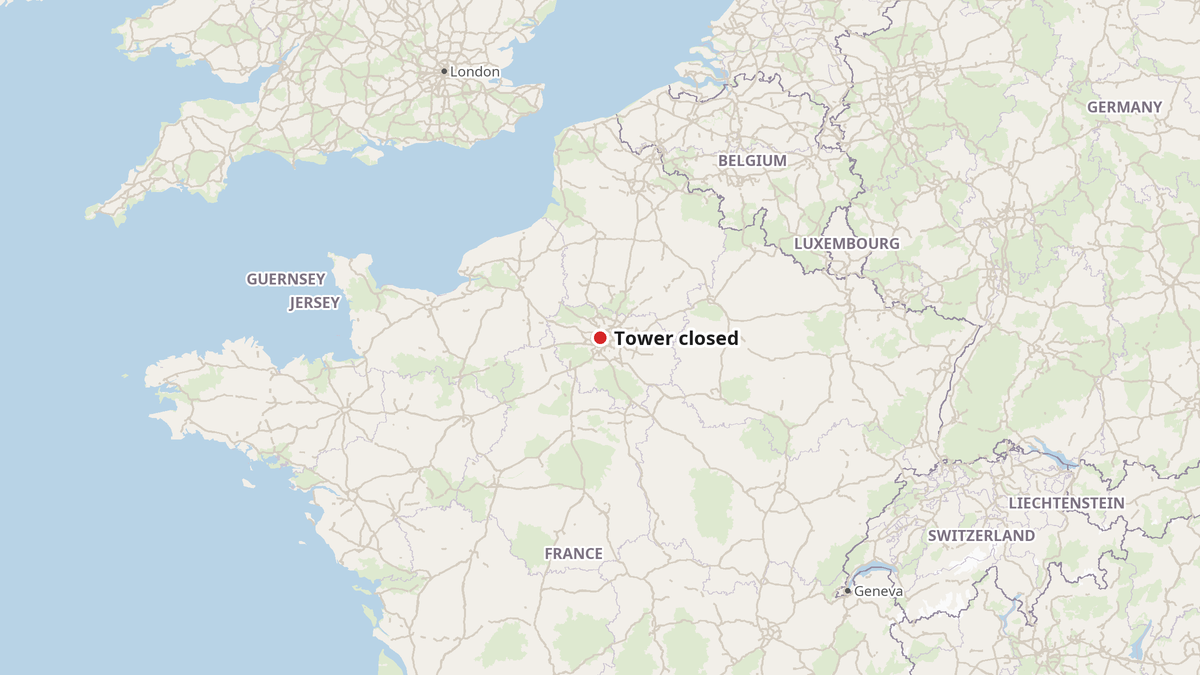
Workers across France walked off the job on Thursday, Nov. 5, after trade unions called for strikes and demonstrations, with hundreds of thousands expected to take part. President Emmanuel Macron had convened a defence and security meeting the day before to “ensure public order.” The demands came from workers, students and others facing rising living costs; the government’s first stated priority ahead of the marches was order.
Protesters gathered in Marseille, Lyon and Nantes in the morning. A rally in Paris was scheduled to begin at 13:00 GMT, and organisers expected demonstrations in 260 cities and towns. The Education Ministry said 16 percent of teachers nationwide were expected to strike.
Wages, schools and the cost of living
Demonstrators demanded an increase in the minimum wage, higher salaries for all workers, tax reforms and better conditions in schools. They also called for better public services, including education, and criticised the cost of living. Those demands put pay, classrooms and access to services at the centre of a national confrontation over who bears the pressure of rising costs.
The protests began in September 2026, when students demonstrated over poor conditions at public high schools. They then widened to include grievances linked to the rising cost of living. Reporting from Marseille, Al Jazeera’s Rebecca Collard described how the movement spread: “these protests started in Paris with the student movement. In the last few weeks, we've seen them spread across the country and Marseille is one of the cities where we've seen some of the largest.”
The Education Ministry’s estimate gives one measure of the disruption inside schools. The teachers’ strike was part of a broader mobilisation, while the demonstrators’ demands reached beyond education to wages, taxes and public services. No single grievance explains the crowds; the calls listed by protesters connect workplace pay with the conditions people face in schools and daily life.
Police lines and the promise of order
Reuters reported that riot police fired tear gas at a demonstration in Lyon. France has faced allegations of police violence in its handling of the protests. The government was seeking to prevent a repeat of October unrest, and Macron’s meeting placed defence and security officials at the centre of preparations before Thursday’s demonstrations.
The sequence is plain in the available account: unions called workers to strike, demonstrators set out demands, and the president convened a security meeting under the banner of public order. The protests were expected across 260 cities and towns, not just at a single gathering in the capital. In Lyon, Reuters reported the use of tear gas; the wider protests unfolded amid allegations about police conduct.
The electoral calendar and a displaced meeting
France was due to elect a new president in April 2027, about five months after the demonstrations. Macron was unable to run again because of a two-term limit. Polls suggested far-right candidate Marine Le Pen was the favourite to win, which would make her France’s first female president. The election approaches while workers and students are already making demands in the streets; the article’s reported facts offer no guarantee that a change in office would answer them.
The protests also shifted the location of an upcoming G7 foreign ministers’ meeting. Reuters reported that it was moved from Marseille to Paris at the last minute after six weeks of nationwide protests. Diplomats told Reuters the decision was “chaotic” and would harm France’s image. Meanwhile, Germany and Portugal had also seen protests in recent weeks over declining living standards and a shortage of affordable housing. Across these accounts, the demands are concrete: higher pay, better schools and services, and relief from rising costs. Thursday’s response included strikes, demonstrations, security preparations and tear gas.
- france protests
- labor strikes
- cost of living
- trade unions
- minimum wage
- emmanuel macron
- paris
- public services