
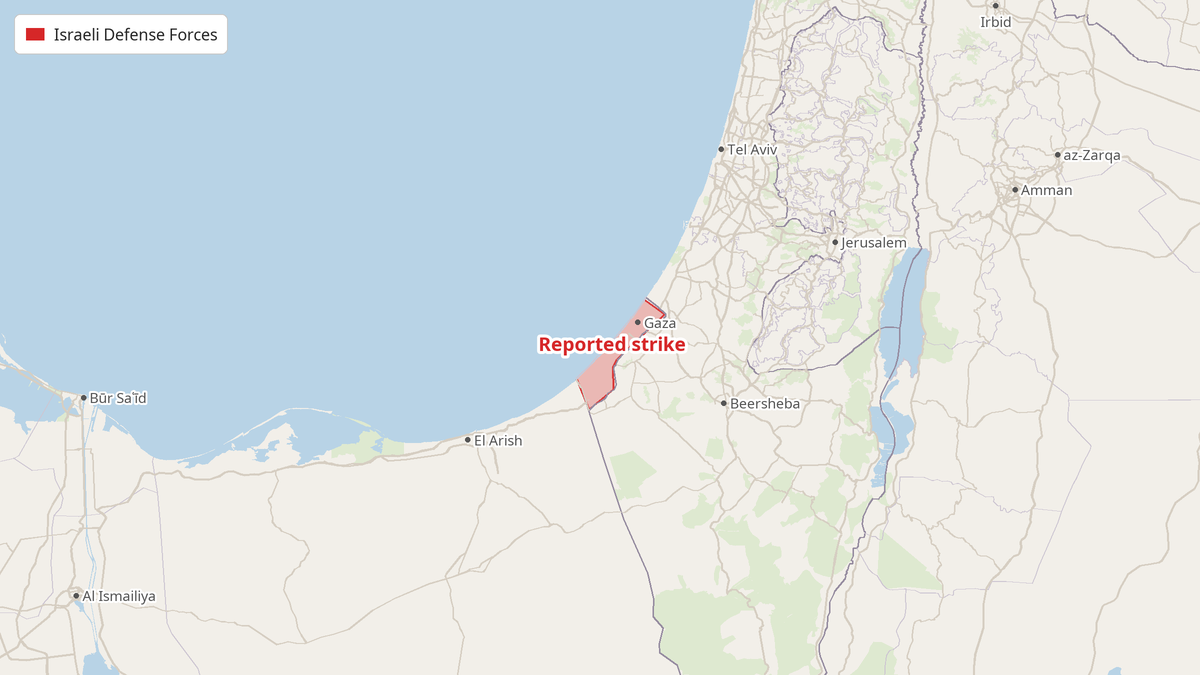
On Wednesday, October 14, 2026, an Israeli airstrike in Khan Younis, in the southern Gaza Strip, killed two Palestinian men. The Israeli military identified them as Basel Nabil Abd al-Rahman Kashta and Ahmad Raja al-Shaer. That's nearly all the public knows about them, and almost everything comes from a single source: the military that carried out the strike.
What the Military Says
In a live-blog entry published Thursday, October 15, the Israel Defense Forces said the two men "were involved in smuggling weapons and additional military equipment into the Gaza Strip." The military said it struck them "to remove a threat" to Israeli civilians and to IDF troops stationed in Gaza.
The statement is brief. It doesn't explain what evidence tied the men to smuggling. Nor does it say whether they were armed at the time, what they carried, or whether anyone else was nearby when the strike hit. It names no militant group and says nothing about warnings before the strike, if any, or whether the military considered less lethal options.
The Civilian Context
There's a gap that matters. The base account offers no independent confirmation of the men's identities or activities, and no testimony from relatives, neighbors, or medics in Khan Younis. The military's statement doesn't indicate whether anyone else suffered injuries or nearby buildings took damage. When only one party to a conflict says who died and why, readers have to trust its label. Human rights organizations have long called for independent checks on such claims, since international humanitarian law requires parties to establish the distinction between combatant and civilian before striking.
That caution cuts both ways. The military's stated concern—that weapons entering Gaza endanger Israeli civilians and soldiers posted there—reflects a real security worry after the October 7 attacks. Troops stationed inside the territory face genuine risks, and the IDF described the strike as a response to that danger. But stating a purpose doesn't establish a finding that others can test. The public record here is just one paragraph.
Voices Still Missing
No family members of Kashta or al-Shaer have spoken in the material available. Neither has a Palestinian official, hospital source, or rights monitor. Ordinarily, it's the voices of a mother, a neighbor, or a local doctor that turn a name in a military statement into a person with a history. Without those accounts, the two men remain defined entirely by the accusation made against them by the party that killed them.
The strike comes as Israeli troops remain stationed in Gaza. Residents of the territory live alongside an ongoing military presence and the possibility of lethal force on any given day. Small incidents like this one rarely draw wide attention. They accumulate, though, and each brings unanswered questions.
Why This Matters: A strike that kills two people and produces one paragraph of sourcing may look minor, but it points to a recurring problem: one party uses lethal force and justifies it, while the public can't test the claim. For civilians in Gaza, daily life means living with troops on the ground and strikes that arrive without independent scrutiny. For Israelis, the stated aim is to protect soldiers and communities from armed threats. Neither concern is served by a verification vacuum. Without transparent evidence and independent accounts, trust erodes, grievances harden, and the path back toward negotiation narrows further. That's the quiet cost of conflict without accountability.
- gaza strip
- israeli airstrike
- khan younis
- israel defense forces
- weapons smuggling
- basel nabil abd al-rahman kashta
- ahmad raja al-shaer