
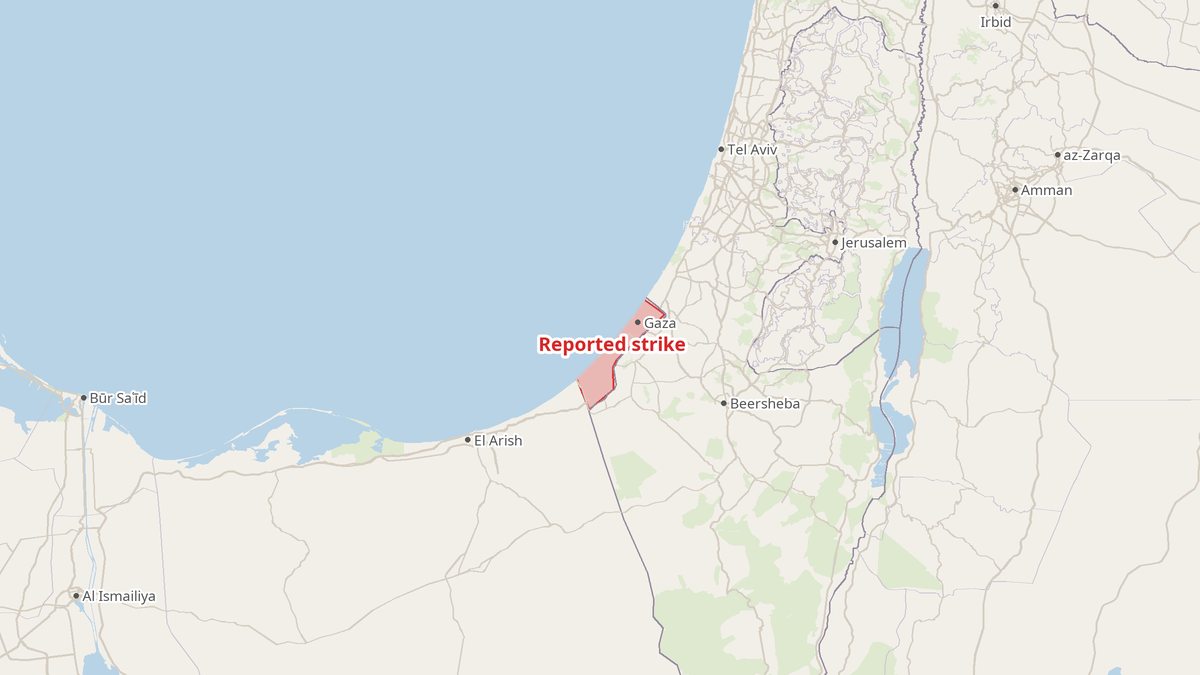
Two Palestinian men were killed in an Israeli airstrike in Khan Younis, in the southern Gaza Strip, on October 14. The Israeli military identified them as Basel Nabil Abd al-Rahman Kashta and Ahmad Raja al-Shaer, saying they "were involved in smuggling weapons and additional military equipment into the Gaza Strip." The IDF said the strike was carried out "to remove a threat" to Israeli civilians and troops stationed in Gaza.
One day later came reports that some of Israel's largest engineering and infrastructure companies were competing for billions of dollars in contracts to rebuild the same territory targeted by the airstrike. Gaza is being bombed and priced for reconstruction at the same moment.
The Money Behind the Ruins
The US-led Board of Peace is preparing to issue about 60 tenders for reconstruction work in areas of Gaza under Israeli control, according to the reporting. No contracts have been awarded yet. The companies circling them aren't waiting idly. One executive put it bluntly: "All the companies are gathering data and waiting for the political green light."
That phrase, "political green light," carries weight. The tenders cover only parts of Gaza under Israeli control. The base reporting doesn't say what happens to the rest of the Strip or how the people who live there fit into reconstruction plans. Those questions will determine whether rebuilding offers a path toward stability or draws a map of who gets help and who doesn't.
Who Oversees the Crackdown on Smuggling
A separate, awkward story is unfolding inside Israel's security establishment. Shin Bet chief David Zini has delayed transferring an agency assessment on smuggling goods into Gaza for several weeks, Haaretz reported. The assessment bears on issues relevant to the case against his brother, who faces charges. Prosecutors asked the agency to clarify its policy on Gaza smuggling and assess the security implications for cases against alleged smugglers.
A source told the paper that Zini "must not go near these matters" while his brother is charged. Haaretz also reported that Zini couldn't get involved in the case. The delay leaves prosecutors waiting for a policy review that touches directly on how authorities build and argue smuggling cases.
The conflict of interest matters beyond one family. Smuggling policy in Gaza shapes what enters the Strip, what counts as a threat, and who ends up targeted. When an official responsible for that assessment is tied to a defendant, the process's credibility is what's at stake.
The Humanitarian Picture
The base reporting doesn't offer casualty figures for the wider territory or testimony from Gaza residents, and it would be wrong to invent any. What it shows is a territory where military force and commercial planning run in parallel. The IDF describes the Khan Younis strike as removing a threat to civilians and soldiers. Palestinians in Gaza, meanwhile, are watching the same ground become a bidding opportunity for foreign and Israeli contractors.
The IDF's account of the two men is its own claim. The military named them and described their alleged role, but the base reporting offers no independent confirmation of either.
Why This Matters:
Reconstruction is only as durable as the political settlement beneath it. Tenders limited to areas under Israeli control raise the prospect of a Gaza rebuilt unevenly, with benefits tied to who holds the territory rather than who needs shelter, water and schools. Meanwhile, continued airstrikes show that the security situation remains unresolved even as contractors position themselves for "the political green light." The Shin Bet delay adds another kind of strain: public trust in how authorities handle smuggling, security and prosecution. For civilians in Gaza, the gap between the money being discussed and daily life on the ground is the measure that counts. International law and diplomatic consensus have long held that lasting recovery needs a political horizon, not just construction contracts.
- gaza strip
- reconstruction
- board of peace
- israel
- shin bet
- david zini
- smuggling
- khan younis