
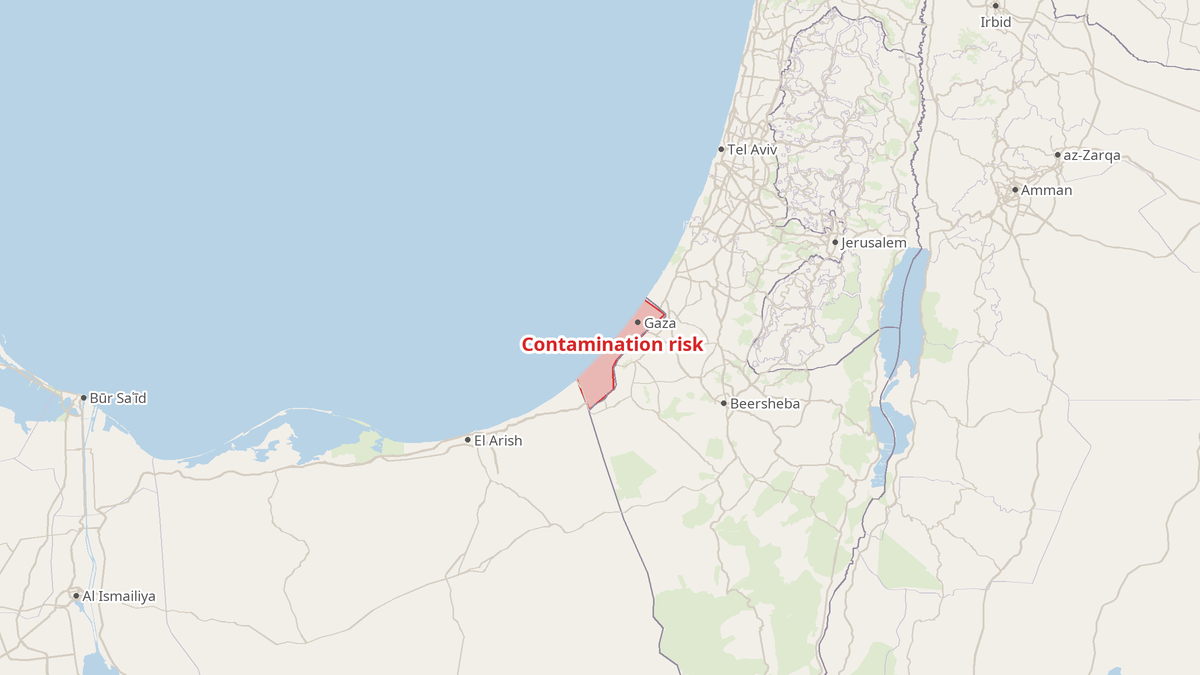
More than 99 percent of the Gaza Strip may have been contaminated with hazardous materials during Israel’s three-year war, according to a new report that describes the damage as “a humanitarian and environmental catastrophe.” The estimate reaches across nearly the entire territory, where people face the consequences of a war waged with state power.
A territory exposed
The report’s main finding is stark: hazardous materials may have contaminated more than 99 percent of Gaza. It links the possible contamination to Israel’s war in the territory. The account available here doesn’t identify the materials, name particular locations, or explain how researchers calculated the estimate. Those details matter. The scale of the claim makes clear why residents need answers about what they may encounter and what can be done.
The report calls the damage “a humanitarian and environmental catastrophe.” That phrase brings together two kinds of harm often separated in official accounting. Environmental contamination isn’t an abstract after-effect when it reaches places where people live. Yet the brief account provides no figures for illness, deaths, displacement, or the condition of water, soil, and buildings. It identifies a sweeping risk, not a detailed record of its consequences.
The machinery and its aftermath
The report connects possible contamination to Israel’s three-year war in Gaza. This places environmental risk among the wider consequences of military operations, rather than treating it as a stand-alone technical issue. The finding concerns a territory, but the people who may live with the damage aren’t statistics to be filed away under battlefield effects.
The available account says nothing about Palestinian Authority security coordination, Hamas’s role, aid agencies, or international responses. It also includes no direct testimony from residents, organizers, or environmental experts. Those gaps limit what can responsibly be said about who is providing assistance, who controls access, or whether grassroots groups are organizing around the risks. There’s no basis here to claim that an NGO has addressed the contamination—or that one has failed to do so.
The report does deliver a warning of extraordinary scale. More than 99 percent may have been affected. “May” matters: the figure is presented as a possibility, not as a confirmed measurement of every site or person. Still, uncertainty doesn’t erase the potential exposure. It makes transparent assessment and clear information more urgent.
A catastrophe without a map
The report describes the damage but, in the account available, provides no map, list of hazardous materials, or practical guidance for residents. It names no cleanup plan and identifies no institution responsible for carrying one out. Without those specifics, people are left with a sweeping warning and few visible answers about where risks are greatest or how anyone will address them.
That gap is part of the story. The report uses language broad enough to describe a catastrophe, while the information provided is too limited to show its boundaries or remedies. For people in Gaza, the difference between a headline and usable answers is concrete: which places may be contaminated, what exposure means, and who will take responsibility. The report raises the alarm. The account provided doesn’t show who will answer it.
- gaza strip
- hazardous materials
- environmental contamination
- humanitarian crisis
- health risks
- israel-gaza war