
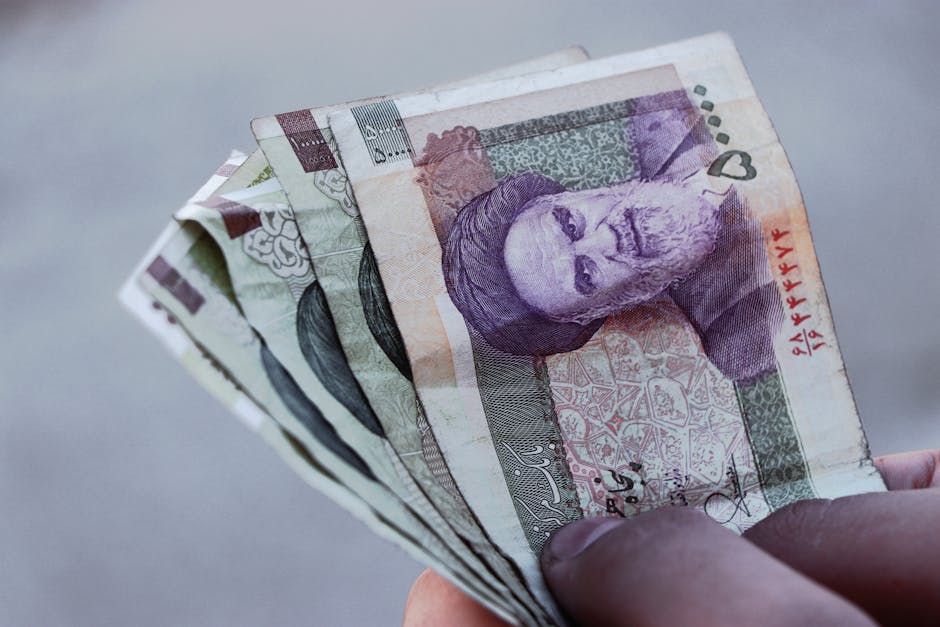
Annual inflation in Iran reached 73.6% in September, the Statistical Centre of Iran reported, while the rial has lost nearly 35% of its value against the dollar since Washington reapplied its naval blockade in July. For households, those figures mean rising prices and stalled diplomacy that might otherwise ease the strain.
Tehran is deliberately prolonging the stalemate, according to three senior Iranian officials and an Iranian insider who spoke to Reuters on condition of anonymity. They said Iran wants to weaken Donald Trump politically before the November 3 midterm elections. “The clerical establishment is determined not to give Trump a political victory,” one official said. Another said, “Iran is preparing for renewed Israeli and US attacks, not for a deal with America to end the war.”
The war has now lasted eight months. It began in February, when the United States and Israel launched strikes on Iran. Iran has effectively shut the Strait of Hormuz, a vital global energy shipping route, and threatened and actual attacks have reduced ship traffic to a trickle.
The Economic Squeeze
The pressure on ordinary Iranians keeps mounting. Security forces killed thousands at the turn of the year as they crushed escalating anti-government protests. Now the U.S. maritime blockade and trade sanctions have cut off oil export revenues. Seaborne crude exports fell to zero in the second week of September, from a 14-day average of 230,000 barrels per day at the start of the month. They remained there as of October 5, according to energy intelligence platform Vortexa. The report said prolonged negotiations are wearing down public patience.
Americans are paying a price, too. The conflict has helped push Trump's approval rating to a record low, with polls suggesting voters worried about high gasoline prices may punish his Republican Party. Trump says he expects oil prices to fall after the elections, but he hasn't offered a detailed plan to end the war and reopen the strait.
Positions Far Apart
Under pressure from Israel, Washington wants Iran's nuclear program on the table from the outset. Iran says the program is purely peaceful, while Western powers allege it has military dimensions. Tehran insists that conditions in its “seven-day plan” be met before nuclear talks begin. The plan, conveyed through Qatari mediators, offers to reopen the strait within seven days under Iranian control if Washington lifts its blockade, eases limits on Iranian oil exports, releases frozen assets and ends hostilities on all fronts. Foreign Minister Abbas Araghchi said Sunday the offer remains on the table.
Foreign Ministry spokesperson Esmaeil Baghaei called a recent U.S. message “insufficient and incomplete” and described the demands as “legitimate and reasonable.” He said Iran would answer any U.S. strike: “If our response is not stronger, it will certainly be equal.” He also said Iran lives with the possibility of another Israeli attack “day and night.” Still, he added, “If there is even the slightest possibility diplomacy can prevent an escalation of tensions, we must pursue that path.”
A Record of Broken Trust
Distrust runs deep on Iran's side. An Israeli attack in June 2025 wrecked plans for a sixth round of nuclear talks in Oman. Last February, the war began just after another round ended, with technical discussions still scheduled. Baghaei pointed to the U.S. withdrawal from the 2015 nuclear agreement in 2018, eight years ago, as part of a pattern of broken commitments.
Tehran analyst Saeed Leylaz went further. “Reaching a sustainable deal with the US, even after the Trump administration, is no longer possible because of the deepened distrust,” he said. “Nothing will go back to the pre-war status quo.” Alex Vatanka of the Middle East Institute said the clerical establishment clearly wants to hurt Trump politically, but Tehran believes Trump is interested in regime change and is following Prime Minister Benjamin Netanyahu's policy. Three Israeli officials said Defense Secretary Pete Hegseth discussed Iran with Netanyahu during an unannounced Monday visit to Israel, a week before a parliamentary election in which Netanyahu's position was at risk.
Trump has said the United States won't bomb Iran again before November 3. Iranian officials still expect bombing to resume sooner or later.
Why This Matters: Both governments are weighing electoral and strategic calculations while civilians bear the cost. Iranians face 73.6% inflation and a collapsing currency; Americans face high fuel prices; shipping through a critical energy artery remains choked. Talks that could ease the pressure remain stuck on sequencing: Washington wants the nuclear file first, while Tehran demands the blockade be lifted first. Each side cites past betrayals by the other. Without a mediated path that addresses both, the war's economic and human burden keeps growing, along with the risk of renewed strikes, which Tehran openly expects.
- iran
- united states
- nuclear talks
- strait of hormuz
- donald trump
- israel
- u.s. midterm elections
- iran sanctions