
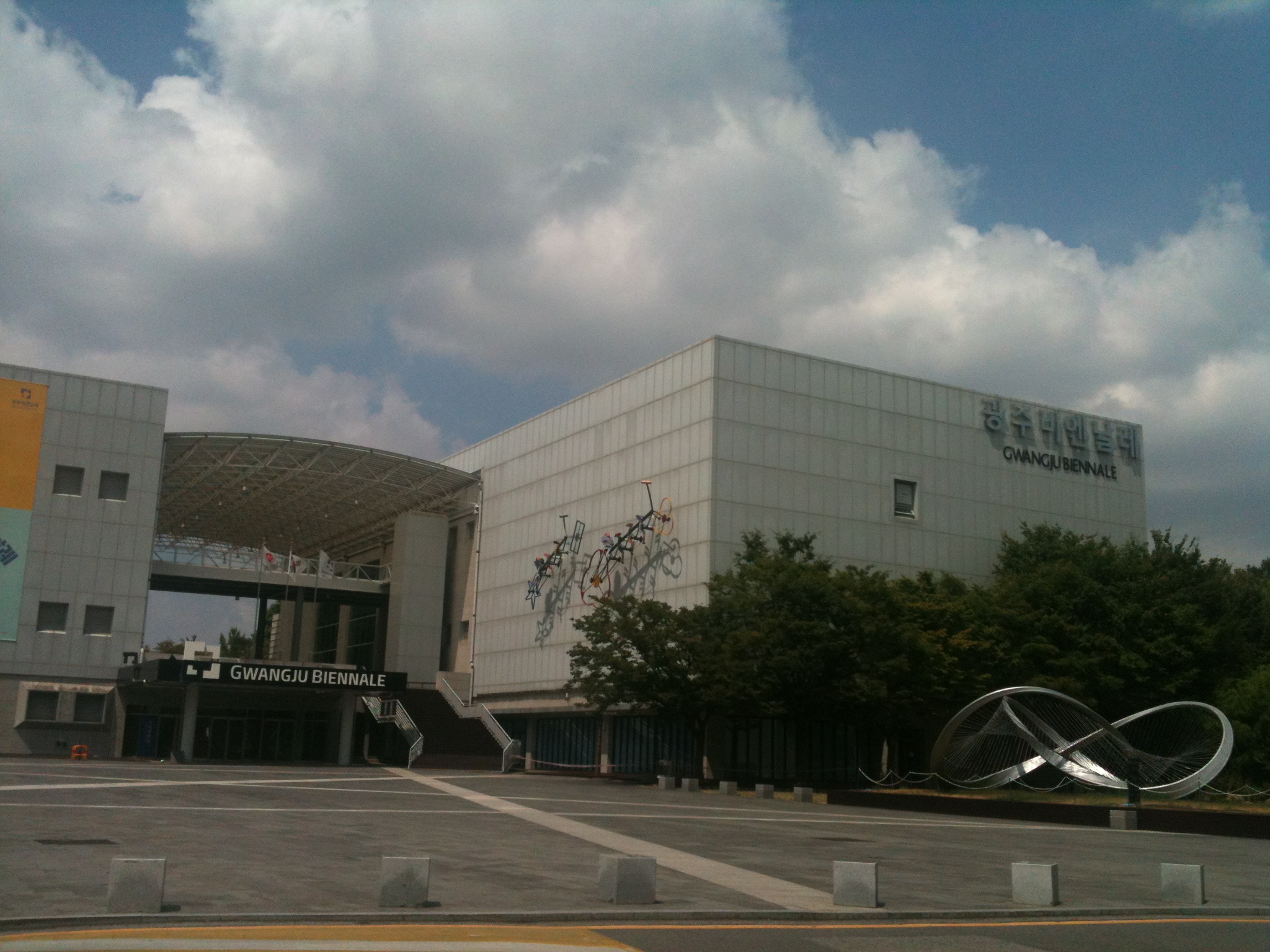
“Can art change us?” asks the 16th Gwangju Biennale, which opened in early September in Gwangju, South Korea’s sixth-largest city. The exhibition puts influence and people’s lives on its banner, but the facts available don’t identify who holds that influence—or what change would look like.
That gap matters. The biennale’s stated subject is “the forces that shape people’s lives,” a phrase broad enough to include power while leaving its sources unnamed. The report names no state authority, company, or other institution as one of those forces. It also gives no account of how visitors or local communities have answered the question. The event asks. The people who might answer aren’t quoted.
The question on display
The 16th edition runs from Sept. 5 to Nov. 15. Those dates set a public schedule, but the report offers no details about who organized the exhibition, how it is funded, or who controls its decisions. There’s no information about admission, public access, or whether community groups took part. Without those facts, the biennale’s institutional arrangements can’t be described beyond its identity as an art event in Gwangju.
What is clear is the framing: art is being asked to do more than decorate a room. “Can art change us?” asks visitors to consider that possibility, while “the forces that shape people’s lives” points toward conditions beyond any one person’s control. But the report doesn’t specify those forces or name a particular demand for change. It doesn’t claim the exhibition has changed policy, shifted resources, or built collective power.
That distinction keeps the question open—and the limits of the account visible. A question about social change isn’t evidence of social change. The report supplies no examples of direct action, mutual aid, or horizontal organizing connected to the biennale. It mentions no electoral or legislative proposals, either, so there’s no stated reform plan to weigh against the structures already in place.
An artwork, not an answer
One named work is an installation from Tokyo-based Chinese artist Lu Yang’s “DOKU” series. The report doesn’t describe the installation’s materials, appearance, or message. It says only that the exhibition explores the forces shaping people’s lives. Anything more specific about what “DOKU” argues would go beyond the facts provided.
The same restraint applies to the event’s effect. The report doesn’t say Lu Yang’s installation offers a solution, that visitors have organized around it, or that the biennale has delivered a measurable result. It gives no quotes from artists beyond the biennale’s central question, and no response from people affected by the forces the exhibition invokes. The art is named; its consequences aren’t established.
The 16th Gwangju Biennale runs through Nov. 15. Its question remains sharper than the evidence about its answer: whether art can change people, and what forces would have to move for that change to reach beyond the exhibition.