
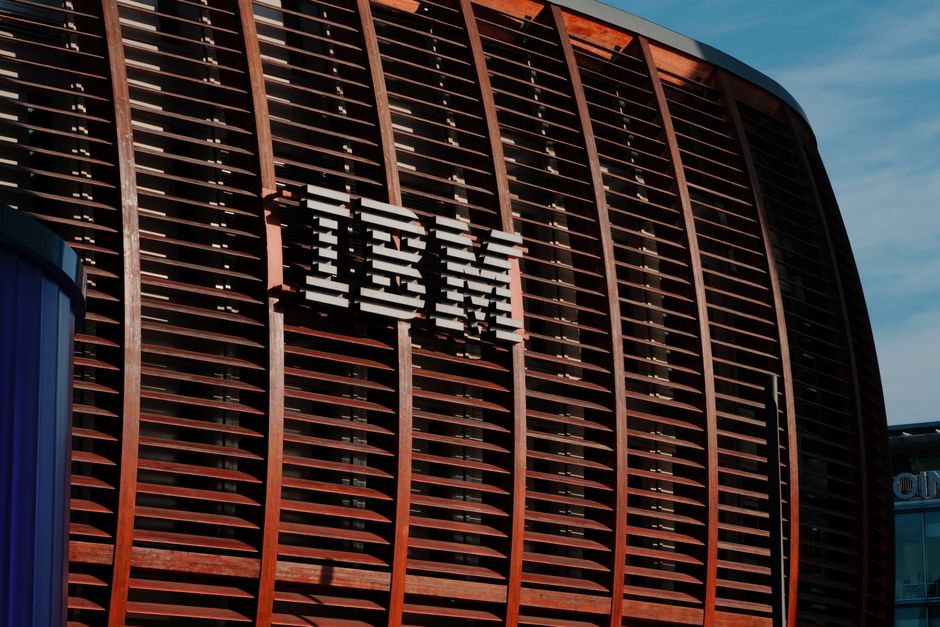
IBM shares slid before the market open Tuesday after the company said its preliminary second-quarter results came in below Wall Street’s expectations. International Business Machines said it anticipates a quarterly adjusted profit of $2.93 per share on revenue of $17.2 billion. Analysts polled by FactSet had predicted $3.01 per share on revenue of $17.86 billion.
Who Gets Squeezed
The numbers are blunt. IBM’s stock fell 23% in morning trading after the company disclosed the miss, a reminder that the market’s punishment machine moves fast when profit comes in a little short of what the financial class demanded. The company’s own forecast landed below the analysts’ target on both profit and revenue, and the gap was enough to send traders running.
IBM said the shortfall came from software and infrastructure performance during the quarter. That’s the language of the boardroom, neat and bloodless, but the meaning is plain enough: the company’s revenue engine didn’t hit the marks set from above. Clients shifted spending toward servers, storage and memory purchases before anticipated price increases, which means buyers moved to protect themselves from the next round of cost pressure before the company could squeeze them harder.
What the Bosses Call a Problem
CEO Arvind Krishna said cybersecurity concerns were also a distraction. He didn’t say who gets distracted when the pressure rises. He didn’t need to. The people doing the work, closing the deals, and keeping the machinery running are the ones who absorb the chaos when management’s plans don’t land on schedule.
“These conditions require our teams to execute perfectly, and this quarter we faltered,” Krishna said. “We did not adapt and move quickly enough, and numerous large deals failed to close on the timelines we expected, driving the majority of our shortfall.”
That quote does a lot of work. It turns a corporate miss into a moral failure of “our teams,” while leaving the structure intact. Perfect execution, faster adaptation, deals closed on schedule — that’s the discipline of the apparatus, where people below are expected to absorb every shift in demand, every pricing move, every panic over cybersecurity, and still deliver the numbers.
The Market’s Verdict
Wall Street’s expectations set the terms, and IBM’s results were measured against them like a factory worker being judged by a stopwatch. FactSet analysts had predicted $3.01 per share on revenue of $17.86 billion, and IBM came in below both figures. The company’s own statement framed the miss as a temporary stumble, but the stock market treated it like a warning siren.
The whole episode shows how corporate power works from the top down. Executives set targets, analysts police them, and investors react instantly when the machine doesn’t extract enough. The people at the bottom don’t get to vote on any of it. They live with the pressure, the deadlines, the shifting spending patterns, and the demand to “execute perfectly” while the bosses explain the shortfall in polished language.
IBM’s preliminary second-quarter results are still just that — preliminary — but the reaction was immediate. Shares dropped, expectations tightened, and the company’s leadership moved to explain why the numbers didn’t satisfy the market’s appetite. The system doesn’t wait for anyone to catch their breath.