
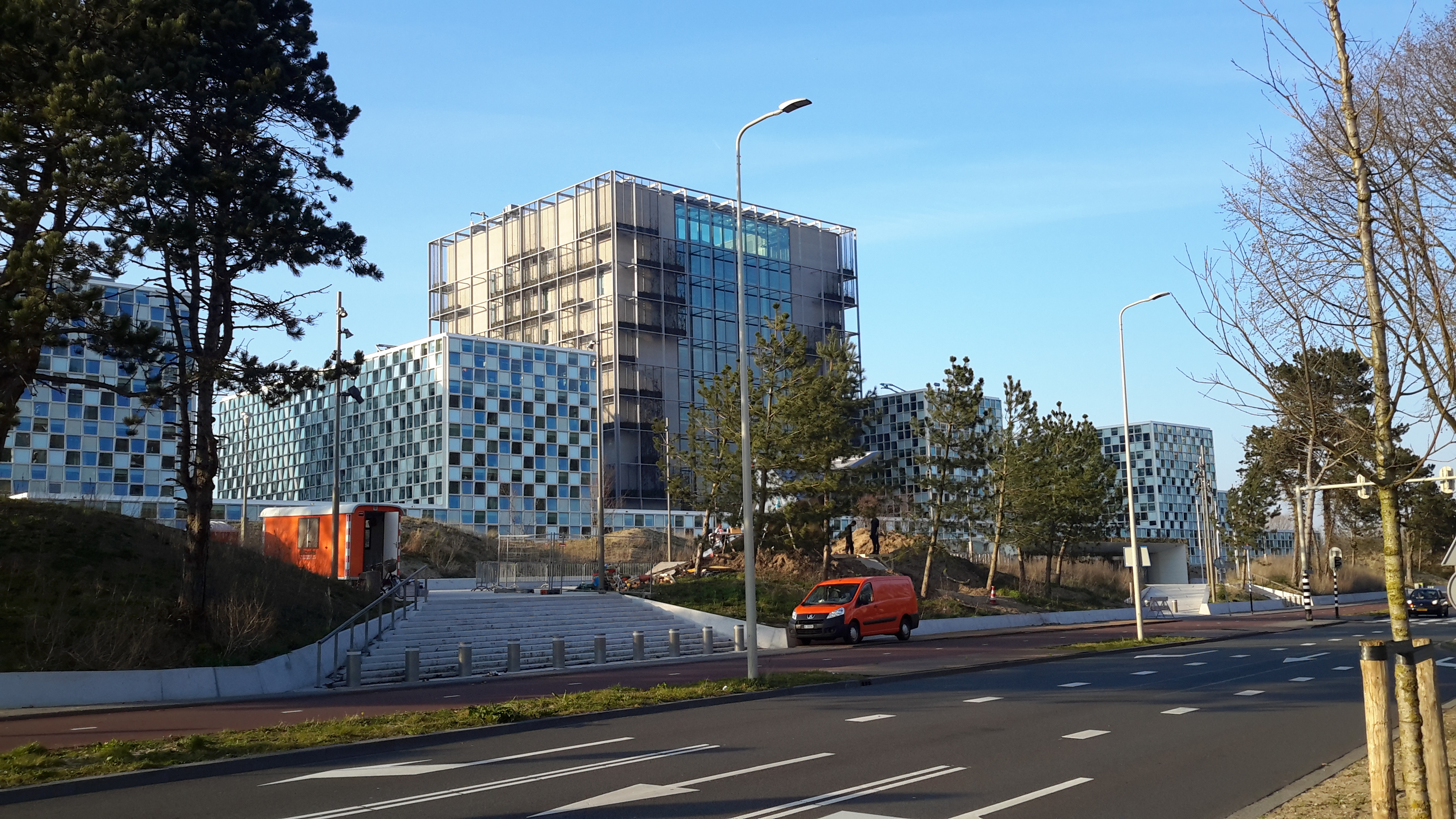
On Thursday, Oct. 22, 2026, the European Union awarded its top rights prize to the International Criminal Court as the court faced U.S. sanctions. The Sakharov Prize was presented as a show of support, though the report said the gesture risked upsetting President Donald Trump. Brussels offered a prize and a statement of principle. Court officials still faced sanctions.
The Brussels apparatus makes its case
European Parliament chief Roberta Metsola announced the award, describing the EU as “built on respect for multilateralism and international institutions.” She said the prize recognised the court’s work “in upholding international law and justice.” Those were the Parliament chief’s words, placing the award squarely in the language of institutions, law and international legitimacy.
The report identifies the recipient as the International Criminal Court and the prize as the Sakharov Prize. It says the award was the EU’s top rights prize. It doesn't detail the sanctions, name the U.S. officials responsible for them, or explain what consequences the court or its officials faced. Those limits matter: a ceremonial show of support is one fact; the status of sanctions is another, and the report gives no indication that the award changed them.
The gap appears in the announcement itself. The European Union’s stated respect for international institutions met a court facing U.S. sanctions, while officials framed the prize as a response to those challenges. The report also says the gesture risked upsetting President Donald Trump. It offers no further detail about the source or scale of that risk, so the pressure remains visible but unspecified.
A prize, not a change in power
The International Criminal Court thanked the European Parliament for giving it the Sakharov Prize “at a time when the Court and its officials face unprecedented challenges.” The court’s statement acknowledges the pressure but doesn't describe those challenges in detail. The report lists no additional terms, commitments or policy measures alongside the award.
That leaves the central event sharply bounded. Parliament awarded a prize; Metsola publicly defended the court’s role; and the ICC responded with thanks while referring to unprecedented challenges. The report doesn't say the EU altered its policies, that the United States changed its sanctions, or that the award secured any material protection for court officials. The institutional gesture is documented. Any wider effect isn't.
France 24’s International Affairs Commentator Douglas Herbert provided further coverage. The report offers no additional comments from people affected by the sanctions, no account from court officials beyond the ICC’s statement, and no details about how the award will operate beyond its presentation as support. The named speakers are the European Parliament chief and the court itself; the institutions explain the award’s meaning in their own terms.
For now, the facts are spare and pointed. The EU has given its top rights prize to the International Criminal Court; the court and its officials face U.S. sanctions; and the announcement was understood as a show of support that risked upsetting President Donald Trump. The ceremony puts the conflict between institutional declarations and pressure on the court in public view. It doesn't resolve that conflict, according to the information reported.
- international criminal court
- sakharov prize
- european parliament
- european union
- roberta metsola
- u.s. sanctions
- international law
- donald trump