
Israel says Hamas is using the pause in fighting to regroup and replenish its arsenal. That claim sits at the center of Tuesday's violence in Gaza, where Israeli forces struck what the military described as militants in the Zeitoun and Daraj neighbourhoods of Gaza city.
The Israeli military said it had struck militants in both areas but provided no further details. It did not immediately comment on incidents in Khan Younis or Sabra. Israel's position, stated plainly in the ceasefire dispute, is that Hamas isn't standing down. It's rebuilding.
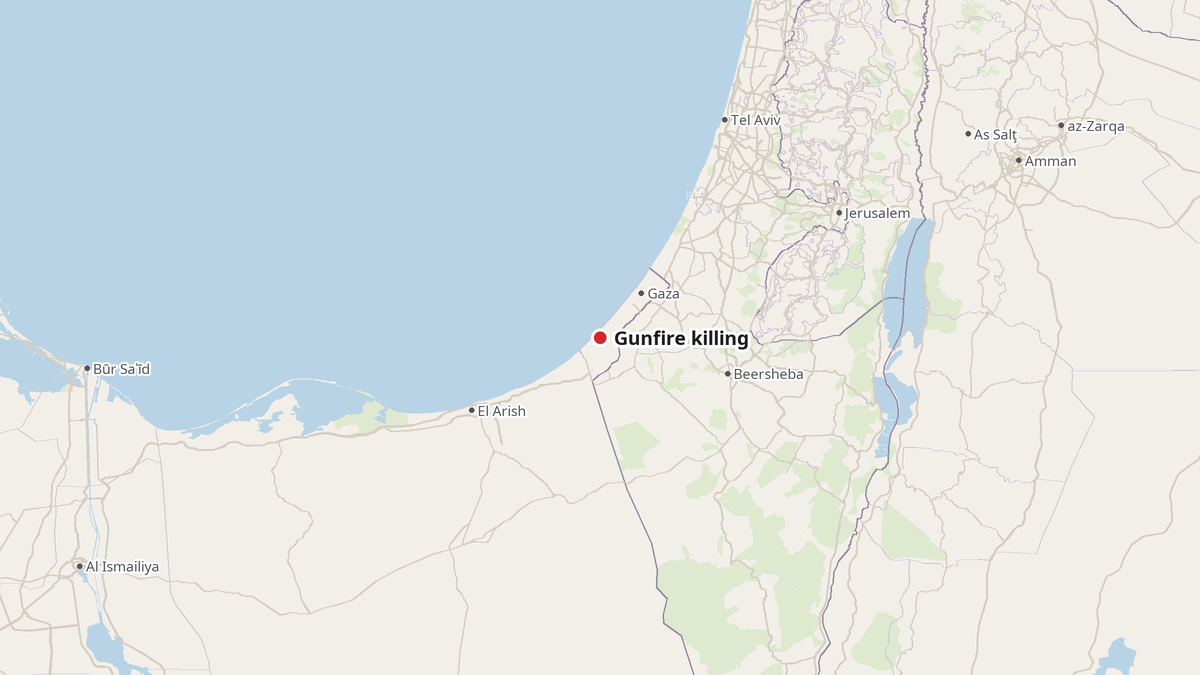
Palestinian health sources and media reported at least seven people killed across Gaza on Tuesday. Those figures come from Palestinian sources, and the Israeli military hasn't confirmed them. Among the dead, medics said, were Fadi Rajab and his 13-year-old son Abubakr, killed when a strike hit a displacement shelter in Zeitoun. Media reports said a third Palestinian died in a strike on the Ghubain family home in Daraj. In Khan Younis, a man was killed by Israeli gunfire. Three more died in a strike in the Sabra neighbourhood, the Wafa news agency reported, and a fire broke out at a nearby tent camp for displaced people afterward.
The Israeli military hasn't addressed what militant activity prompted the strikes in Zeitoun, where the shelter was hit. Hamas has a record of operating among civilians, and the question of what was inside or beside these structures is exactly the detail the military has yet to supply.
The Terror Threat
The ceasefire took effect in October 2025 under US brokerage, and it passed its first anniversary last month. It envisaged the eventual reconstruction of the Gaza Strip. That reconstruction depends on one thing negotiators haven't delivered: agreement on the terms for Hamas to disarm.
Israel says Hamas is seeking to regroup and replenish its arsenal. Hamas says it remains committed to the ceasefire and accuses Israel of undermining it. Negotiators have also been unable to agree on terms for Israel to withdraw its troops, which control about two-thirds of the territory.
The group at the heart of the standoff is the same one whose fighters, in the October 7, 2023 attack on southern Israel, killed about 1,200 people. The third anniversary of that assault passed last month. Hamas still holds its weapons, and the talks have yet to produce a mechanism to take them.
Self-Defense Under Fire
The casualty figures show a conflict that never fully stopped. Gaza's health officials say at least 1,600 Palestinians have been killed in Israeli attacks since the ceasefire took effect. Israel says four of its soldiers have been killed during the same period.
Palestinian authorities say more than 74,000 Palestinians have been killed in Israel's military offensive in Gaza. That campaign began after the Hamas-led attack of October 7, 2023. The Palestinian health authorities that publish these tallies operate under Hamas-run Gaza, and the figures haven't been independently verified in the reporting available here.
Residents have been ordered to leave areas under Israeli control, a measure tied to the military's hold on roughly two-thirds of the strip.
Unresolved Questions
Three questions remain unanswered. What militant targets did the Israeli military identify in Zeitoun and Daraj? Where was Hamas's arsenal being replenished, as Israel alleges? And what verification mechanism, if any, would confirm Hamas disarmament before Israeli troops pull back?
Until negotiators answer the last one, the ceasefire remains a pause in name. Israel holds the ground it holds because Hamas still holds its weapons.
- gaza
- israel
- hamas
- ceasefire
- air strike
- palestinians
- zeitoun
- israeli military