
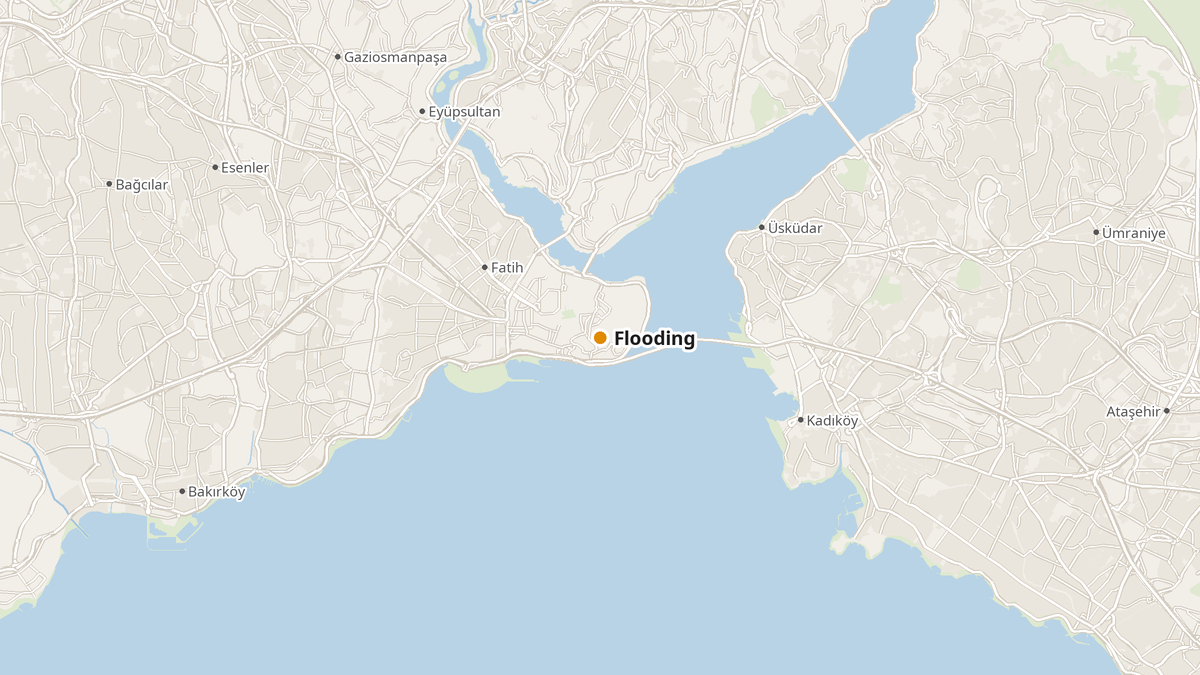
Floodwater killed four people in Istanbul and swept vehicles down hills after Wednesday night's downpour, as concerns grew over development near waterways in a city of 16 million residents. Turkey's interior minister called it the city's worst flood disaster since 1942. Homes, businesses and neighborhoods bore the costs, while authorities reported thousands of calls for help.
Residents face the damage first
Authorities found a 66-year-old man's body Friday under a bridge in Istanbul's Sariyer district. Three other deaths had already been reported, including a teenager electrocuted in the storm. Before the body turned up, Mustafa Ciftci told reporters in Sariyer's Ayazaga neighborhood that four people remained missing.
Floodwater poured into homes and businesses, submerged streets and parks, and carried vehicles away. Many vehicles came to rest in heaps at the bottom of hills. The wreckage showed the disaster's scale across a city where residents faced flooded homes and damaged businesses.
The state-run Anadolu Agency reported that Istanbul received more rain in the 48 hours up to Thursday morning than the combined historical average for September and October. That figure captures the deluge, while concerns remain that urban development near waterways may have worsened its effects. Residents bear the consequences, but they don't make the decisions about how the city is built.
Authorities tally the emergency
Ciftci said authorities had received 9,850 reports of flood-related damage and other issues. He said 46,000 personnel were working to clear debris and help residents in Istanbul. The response is substantial in scale, but those figures also show how broadly the disaster disrupted daily life: thousands of reports, streets and parks underwater, and damaged homes and businesses.
“We are trying our best to help our citizens, but we are also experiencing the biggest flood disaster since 1942,” Ciftci said during a visit to an area hit hardest by Wednesday night's downpour. His words describe the state's response alongside the damage, but they don't answer what urban decisions left neighborhoods exposed.
Murat Kurum, the minister for the environment, urbanization and climate change, accompanied Ciftci to the flood-hit neighborhood. Kurum called addressing concerns that urban development near waterways had worsened the flooding “essential.” The statement acknowledges the concern, but officials haven't provided details about what changes they will make or when.
Climate words, unresolved choices
Kurum also linked the floods to climate change. “Combating climate change is not a choice, but a necessity,” he said. Next month, he will chair the U.N. climate change conference, COP31, in the Turkish city of Antalya. The conference role and the minister's statement put climate action on the official agenda; they don't resolve the questions about development near Istanbul's waterways.
The account describes a state response organized around recording damage, deploying personnel and clearing debris. It gives no details of neighborhood-led mutual aid or other self-organized responses. Nor does it report a specific plan to change development near waterways. For residents whose homes and businesses flooded, the immediate facts remain stark: four dead, people reported missing before Friday's discovery, and thousands of damage reports in a city of 16 million.
- istanbul
- turkey
- flooding
- natural disaster
- mustafa ciftci
- murat kurum
- climate change