
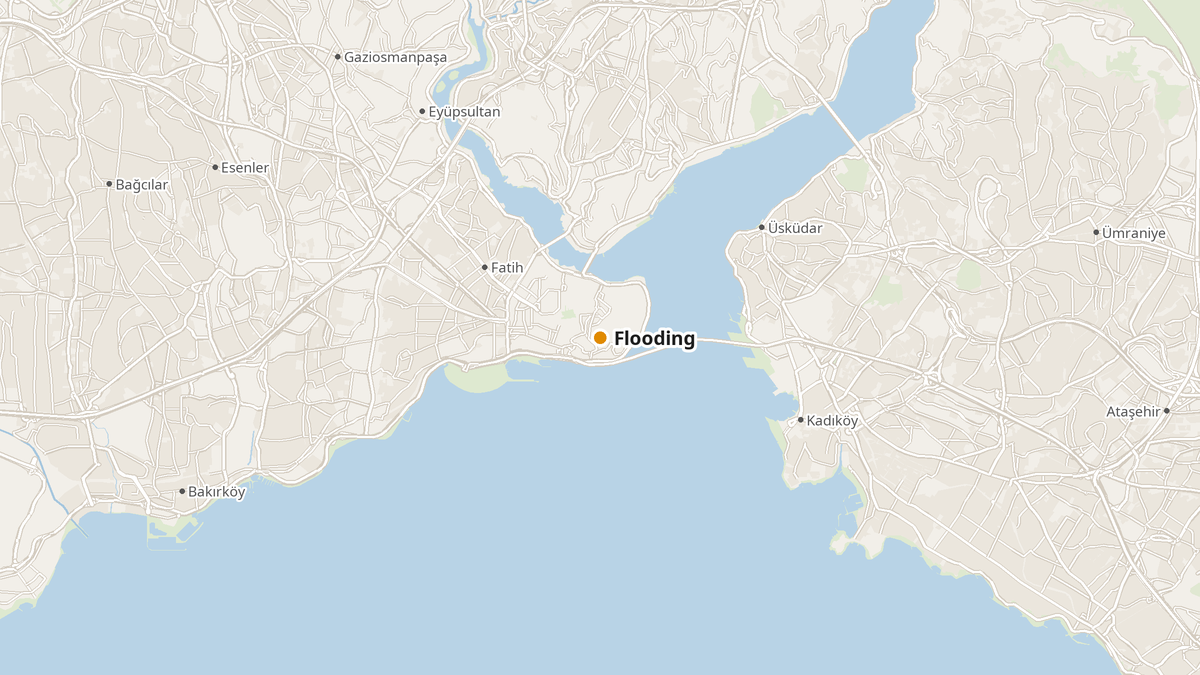
Istanbul’s worst flooding in more than 80 years has killed four people, raising hard questions about how the city of 16 million built along its waterways. Interior Minister Mustafa Ciftci said Friday that Istanbul was “experiencing the biggest flood disaster since 1942,” as authorities scrambled to dig residents out.
The numbers are stark. A 66-year-old man’s body was found Friday under a bridge in the Sariyer district, bringing the death toll to four. Three other deaths had been reported earlier, including a teenager electrocuted during the storm. Before the latest body turned up, Ciftci told reporters that four people remained missing.
The Scale of the Storm
The state-run Anadolu Agency reported that Istanbul received more rain in the 48 hours up to Thursday morning than its combined historical average for September and October. That’s two months of rainfall in two days.
The Wednesday night downpour flooded homes, businesses, streets and parks. It swept vehicles away. Many came to rest in piles at the bottom of hills.
The Government Response
Ciftci spoke during a visit to one of the hardest-hit areas. “We are trying our best to help our citizens,” he said. Authorities had received 9,850 reports of flood-related damage and other issues, he said, while 46,000 personnel worked to clear debris and help residents across Istanbul.
That’s a significant mobilization. It also shows how heavily disasters like this rely on public emergency capacity, and how quickly that capacity gets tested when infrastructure is overwhelmed.
Development Near Waterways
The sharper question concerns what was built, and where. Murat Kurum, the minister for the environment, urbanization and climate change, joined Ciftci in the Ayazaga neighborhood in Sariyer. Asked whether urban development near waterways had worsened the flooding, Kurum said addressing the problem was “essential.”
That answer accepts the premise. Construction near waterways depends on zoning, permitting and enforcement. Government makes those decisions, and they shaped the exposure of neighborhoods now covered in mud and debris.
Kurum also connected the floods to climate change. “Combating climate change is not a choice, but a necessity,” he said. He is set to chair the U.N. climate change conference, COP31, next month in the Turkish city of Antalya. The timing places the flooding at the center of a domestic and international debate over responsibility: global emissions, or local planning decisions that put people and property in the path of rising water.
Both explanations can be true. But city and national officials can directly control only one of them this year.
Why This Matters:
The Istanbul floods will carry costs well beyond the four confirmed deaths and the four people still missing at last count. With 9,850 reports of damage and 46,000 personnel deployed, cleanup, repairs and compensation will weigh on public budgets and on households and businesses that lost property. Kurum’s acknowledgment that development near waterways is a problem raises a basic accountability question about permitting and enforcement. Spending on climate diplomacy ahead of COP31 won’t replace the less glamorous work of keeping people out of flood paths. From a limited-government standpoint, the first duty is to get core functions right: sound zoning, maintained drainage and honest risk assessment. How Turkey answers that question may matter more to Istanbul’s residents than any summit declaration.
- istanbul
- turkey
- flooding
- natural disaster
- mustafa ciftci
- murat kurum
- climate change