
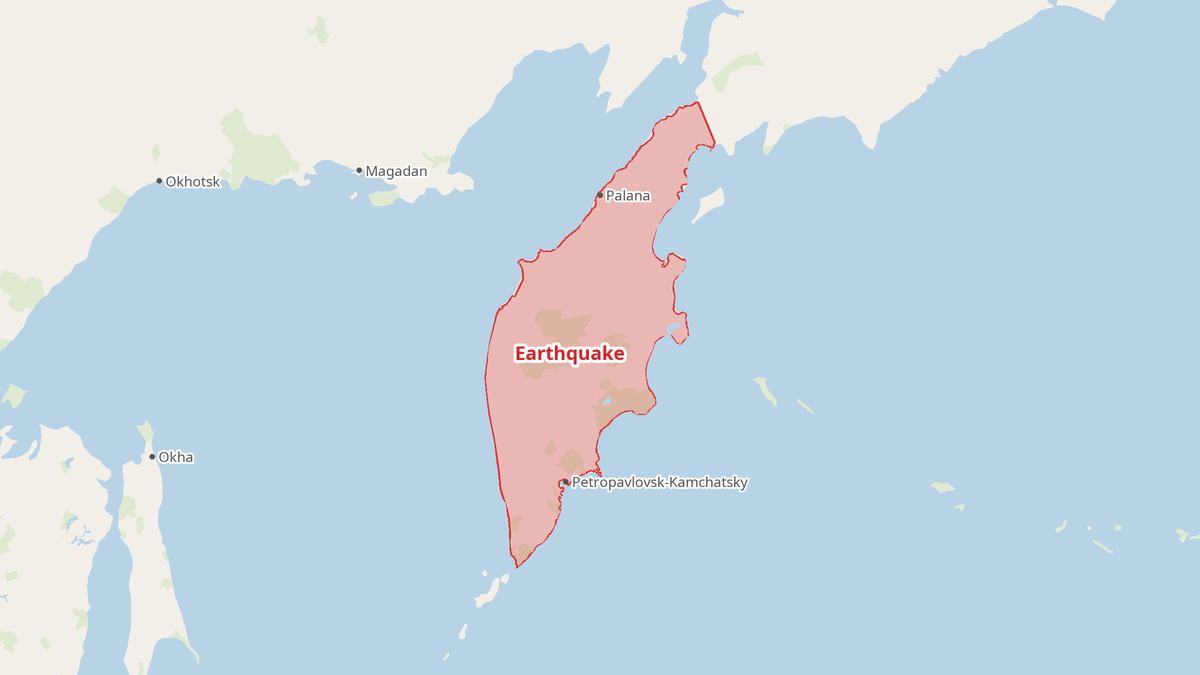
A magnitude 7 earthquake struck Russia’s Kamchatka Peninsula region on Friday, October 16, 2026, the European-Mediterranean Seismological Centre (EMSC) reported. The quake hit at a depth of 140 km, or about 86.99 miles. That’s all that’s confirmed so far.
The Initial Report
Reuters published its report at 3:50 a.m. UTC on October 16, then updated it 23 minutes later. The wire service cited the EMSC, a seismological monitoring body, for the magnitude and depth. Sumedha Mukherjee reported from Bengaluru, and Christian Schmollinger edited the report.
The account offers little detail. It doesn’t say whether anyone was hurt or whether buildings or infrastructure sustained damage, and it provides no information about Russian authorities’ response. No tsunami information appears in the report. Those gaps matter, and they’ll be filled in the hours and days ahead as official assessments arrive and local reporting develops.
What the Depth Tells Us
The EMSC put the quake’s depth at 140 km. That’s a specific figure. The report offers no analysis of what the depth means for surface impact, and it would be a mistake to speculate beyond what the seismological centre has published. The numbers establish only a magnitude 7 event in the Kamchatka region, recorded at a depth of roughly 87 miles.
The EMSC’s figures are preliminary, as is standard in early seismic reporting. Seismologists often refine magnitude and depth estimates as more instrument data arrives. Readers shouldn’t treat the early numbers as a final word; they’re a starting point.
What Comes Next
Local and national authorities lead the response to any major seismic event. They hold on-the-ground information and carry the responsibility to act on it. As of the Reuters report, Russian officials hadn’t issued a statement included in the account. Until authorities release damage and casualty assessments, the public picture will remain incomplete.
The quake struck in a remote region. Early reports reflect how little detail is available in the first minutes after a major event. Verified information tends to come first from official channels, then from journalists and residents on the scene.
Why This Matters:
A magnitude 7 earthquake is a significant event. How quickly governments and responders turn raw seismic data into clear public guidance tests institutional readiness. Reliable early information lets local authorities, businesses and residents make sound decisions without waiting on distant bureaucracies. Disruption to regional infrastructure, shipping or energy operations would carry economic costs, though the current report indicates none. For now, the facts are limited to the EMSC’s magnitude and depth figures, and the most responsible reading is a cautious one: wait for official confirmation of damage and casualties before drawing conclusions about the event’s real-world impact.
- kamchatka peninsula
- earthquake
- russia
- magnitude 7