
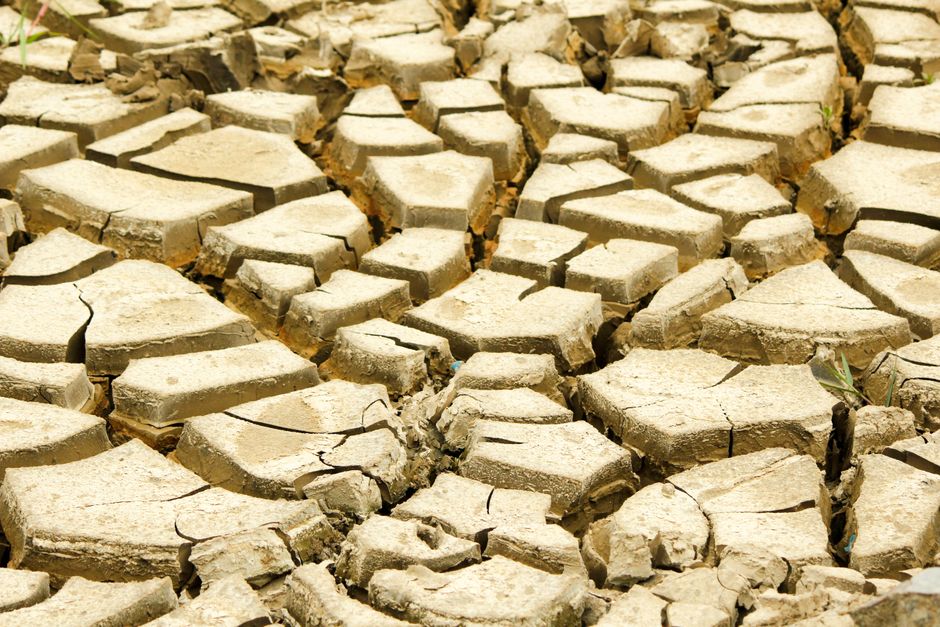
Brazil has hired more than 4,600 federal personnel for wildfire prevention and response as El Niño strengthens across the Pacific, a blunt reminder that governments are once again racing to manage a crisis after the warning signs are already flashing. Across Latin America, officials are mobilizing firefighters, activating contingency plans and preparing water, energy and transportation systems for drought, extreme heat, flooding and other disruptions that could hit in the months ahead.
Who Has the Power
Meteorologists say El Niño is already underway and is increasingly likely to strengthen through the remainder of the year. Unlike hurricanes or earthquakes, the climate phenomenon develops gradually over months, which gives governments time to prepare before its worst impacts arrive. That window matters. It also exposes how often the apparatus moves only when the pressure is impossible to ignore.
Rodney Martinez, the World Meteorological Organization’s representative for North America, Central America and the Caribbean, said, “Now is the time for decisions, for effective preparedness and the political consistency to really be proactive this time.” He added, “El Nino is confirmed. El Nino is ongoing. It’s not simply a possibility.” The warning is plain enough. Whether the people holding the levers will act before the damage lands is another matter.
Experts say authorities across the region have often struggled to turn forecasts into action, raising questions about whether countries will be better prepared than during previous El Niño events that caused widespread economic damage and disrupted water, energy and food systems. The pattern is familiar: forecasts arrive, officials nod, and the bottom of society gets left to absorb the shock.
Who Pays for Delay
Previous strong El Niño events have caused billions of dollars in damage across Latin America, bringing severe drought in some regions and floods and landslides in others. The phenomenon has disrupted agriculture, strained drinking water supplies, fueled wildfires and, in some countries, reduced hydroelectric power generation, leading to energy shortages. Martinez said countries should use the months before impacts intensify to secure alternative energy sources, protect vulnerable communities and prepare for potential strain on public services.
In hydropower-dependent countries such as Ecuador, that could mean bringing thermal power generation online to offset lower reservoir levels during drier conditions and completing maintenance and procurement work well in advance. Martinez pointed to Ecuador’s energy crisis last year, when drought depleted water levels at hydroelectric facilities and contributed to widespread power outages. When reservoirs fall and the grid buckles, ordinary people don’t get a press release. They get the blackout.
Central America, parts of the Caribbean and northern South America are already experiencing drier-than-normal conditions associated with the phenomenon, according to the WMO. Those conditions are expected to expand into parts of the Amazon basin, raising concerns about water availability, agriculture and wildfire risk. The burden lands where it always does: on communities with the least room to absorb it.
What They’re Calling Preparedness
The threats vary across the region, but the response still runs through state institutions. In Brazil, authorities are focused on drought, water shortages and wildfire risk. The government has hired more than 4,600 federal personnel for wildfire prevention and response, expanded firefighting brigades and deployed aircraft ahead of what officials fear could be a difficult fire season. Colombia has activated water-monitoring systems, strengthened wildfire preparedness and urged local authorities to prepare for potential shortages.
Elsewhere, governments are preparing for flooding. Ecuador, where strong El Niño events have historically brought damaging rains to the Pacific coast, has ordered local governments to develop contingency plans and allocated millions of dollars for flood mitigation, emergency response and agricultural recovery. Local authorities have begun clearing drainage channels, stabilizing hillsides and preparing emergency shelters. Costa Rica says it has launched more than 200 measures under a national contingency plan, including efforts to protect water supplies, expand renewable energy generation and prepare for a potentially severe wildfire season. In Peru, authorities have strengthened monitoring and early-warning systems while expanding meteorological observation networks.
Panamanian authorities have also developed plans to address potential impacts on operations at the Panama Canal, where lower rainfall can affect water availability needed to maintain shipping traffic through one of the world’s most important trade routes. Trade keeps moving. People below the trade route still have to live with the shortages.
The WMO official warned that drought and heat could threaten food security across parts of Central America’s Dry Corridor while increasing wildfire risks in several countries. In areas expected to receive excessive rainfall, flooding can damage infrastructure, contaminate water supplies and increase the risk of disease outbreaks.
Colombia’s environment minister, Irene Vélez, told The Associated Press that El Nino is not new, but “what is new is its intensity. And because of that intensity, what is also new is how long it could last and the area it could affect.” Despite the advance warning, Martinez said preparations remain uneven across the region. “The reality is that this preparation doesn’t happen until they have the emergency,” he said.
Martinez said some authorities continue to delay decisions despite increasingly strong forecasts, either waiting for additional confirmation or assuming their countries will avoid the worst impacts. He warned that postponing decisions despite increasingly strong scientific evidence could leave governments scrambling to respond once droughts, floods and heat waves intensify. Recent studies examining previous major El Niño events found their economic impacts can linger for years and ultimately cost the global economy trillions of dollars.
His message to governments still waiting to act was simple. “Be prepared in advance, in a serious way,” Martinez said. “The information is there. Now is the time for decisions.” Vélez said the challenge extends beyond responding to a single climate event and requires governments to adapt to increasingly extreme conditions. “Climate change is here to stay,” she said.