
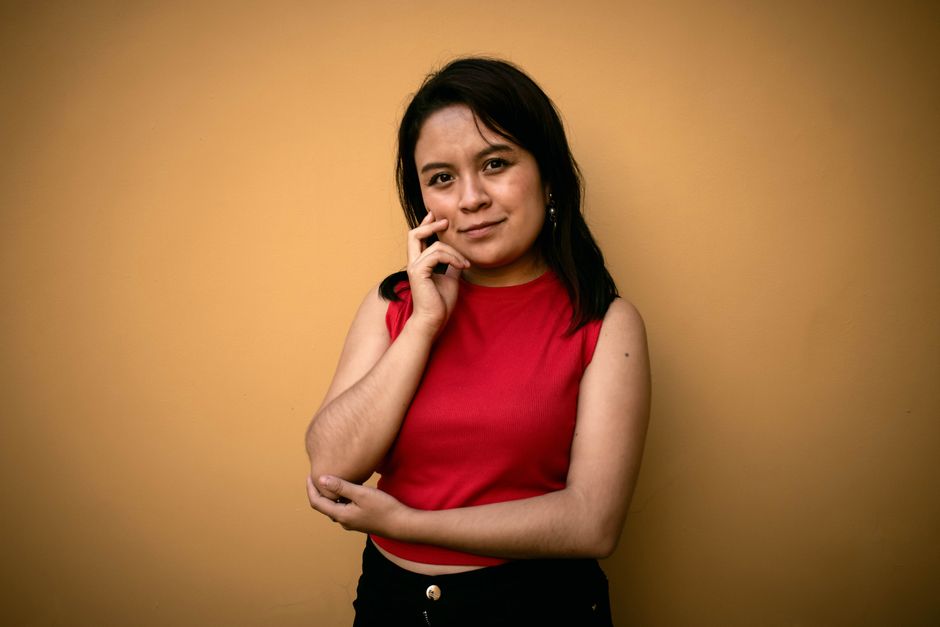
Mayumi Castro Fernandez voted for Donald Trump two years ago. On Friday, she knocked on doors in a Miami neighborhood for the Democrat trying to unseat a House Republican. “All the prices go up — the gas, the food, the health insurance,” said Castro Fernandez, an aircraft worker and Cuban American who calls herself an independent. By the end of the month, she said, families don’t “have all the money we need.” Her verdict was blunt: “We need a change. I change my mind. They can change it too.”
Her turnaround reflects a shift that could reshape the November 3 midterms. The nation’s 36 million Latino voters have become a major swing bloc, and growing frustration with Republicans over prices, healthcare funding cuts and immigration enforcement could tip races in Texas, Florida, California, Arizona, Colorado and Georgia.
What the Numbers Show
An NBC News/Telemundo poll released this month found Latino voters prefer Democratic control of Congress over Republican control by 24 points, 59% to 35%. Only 27% approved of Trump’s overall job performance. Just 20% approved of how he’s handling the cost of living.
That’s a steep reversal. Exit polls in 2024 found Trump took 46% of the Latino vote, compared with 51% for Democrat Kamala Harris. The swing fueled Republican hopes of a lasting realignment, particularly across the growing South. Now, economic frustration that helped Trump win is working against a party that controls the federal government.
Tory Gavito, a Democratic strategist who leads the progressive donor network Way to Win, said her group’s research found Latino voters believed Trump’s 2024 pledge to “shake things up.” Many overlooked his harsh immigration rhetoric because they didn’t see themselves among the “bad hombres” he would target. “They don’t see prices getting lowered, they don’t see an increase in jobs, and many mixed-status families are living in fear,” Gavito said. “I don’t think we’re in a blue wave. I think we’re in a red sinkhole.”
Republican strategist Mike Madrid offered a different read. He argues large shares of Latino voters have no party loyalty and vote against what they see as “failed government.” “Neither party is providing a compelling vision or results-oriented policy for working-class people,” Madrid said, describing an “emergent Latino populism that is anti-establishment — meaning both parties.”
Raids, Restaurants and Fear
In interviews, Latino voters cited gas and food prices, GOP healthcare funding cuts and Trump’s aggressive mass deportation efforts as reasons for their dissatisfaction with the first two years of his second term.
Irma González, who owns a restaurant in McAllen, Texas, says enforcement is hurting her bottom line. “Immigration policy is very tough right now. That is precisely why the economy is so weak, with the raids and all that,” she said. “Many people simply don’t want to go out.” James Talarico, the Democratic state representative running against Republican Attorney General Ken Paxton in the Texas Senate race, visited her shop, where she makes homemade tortillas. She said he “genuinely wants to help us.”
A Texas Senate race that looked like a long shot for Democrats has become a nail-biter. Democrats are targeting several traditionally Republican states as they seek a net gain of four seats to claim a majority. Latino support could also help them hold House seats Republicans redrew in last year’s mid-decade redistricting fight. Those districts, particularly in the Rio Grande Valley, were drawn around Trump’s strong 2024 showing. If South Texas Latinos now lean Democratic, Republicans’ chances of ousting Reps. Henry Cuellar and Vicente Gonzalez could evaporate. Democrat Bobby Pulido, a Grammy-winning Tejano singer, could also oust Republican Rep. Monica De La Cruz.
Florida’s Fault Lines
Florida’s Latino electorate is diverse: traditionally conservative Cubans around Miami, Puerto Ricans in Central Florida who swung toward Trump in 2024, and Venezuelans around Miami and Orlando. Many Venezuelans are angry that Trump ended temporary protected status for Venezuelan nationals last year.
Karina Castillo, a Venezuelan American attorney in Doral, voted for Trump in 2024 partly because she expected more order in immigration. She now regrets it. She said the administration jailed or deported “a lot of people” who were “doing things right,” including those waiting out the legal process. She also voiced concern about his attempts to revoke birthright citizenship. “A lot of Republicans support him blindfolded, I don’t understand why,” she said. “You cannot be blindfolded. You need to see what’s going on.”
The pressure is visible inside the GOP, too. Republican Rep. Maria Elvira Salazar, who won her overwhelmingly Latino Miami-Dade district by nearly 21 points in 2024, said in a recent ad aimed at Trump that “some of your immigration enforcement efforts have gone too far.” She warned: “The same Hispanics who helped you get to the White House in 2024 feel betrayed today.”
Her Democratic challenger, former television news anchor Eliott Rodriguez, says her record doesn’t match the message. He noted she voted to fund Immigration and Customs Enforcement and criticized her past remarks defending conditions at Alligator Alcatraz, the now-closed Florida detention facility. “I think voters in this district are smart enough to see through this and see this as crocodile tears,” he said after campaigning with House Minority Leader Hakeem Jeffries. “People are hurting. People don’t have money to pay rent. People don’t have money to buy groceries.”
Salazar, speaking at a Miami steakhouse, turned to a familiar Republican line, warning that a socialist “ideology has nothing to do with us or with this nation.” Rodriguez rejected the label. “There’s nothing socialist about me. Nothing communist. I am the product of capitalism and free enterprise,” he said.
Because most of Florida sits in the Eastern time zone and counts votes quickly, strong Democratic numbers there could offer an early election-night signal of a nationwide blue wave.
Why This Matters: Latino voters aren’t a monolith, and these results show it. The people described here aren’t swinging on ideology. They’re reacting to grocery bills, insurance costs, shuttered dining rooms and families split by enforcement. When households report that health coverage is slipping and prices keep climbing, voters hold the party in power responsible, whatever they did two years ago. The stakes reach past party control. Control of Congress will shape whether healthcare funding is restored, how aggressively immigration enforcement proceeds, and whether mixed-status families keep living in fear. A bloc that powered Trump’s 2024 gains is now signaling that results, not slogans, will decide its vote, and that’s a message both parties would be wise to hear.
- latino voters
- 2026 midterm elections
- texas
- florida
- democratic party
- republican party
- immigration enforcement
- cost of living