
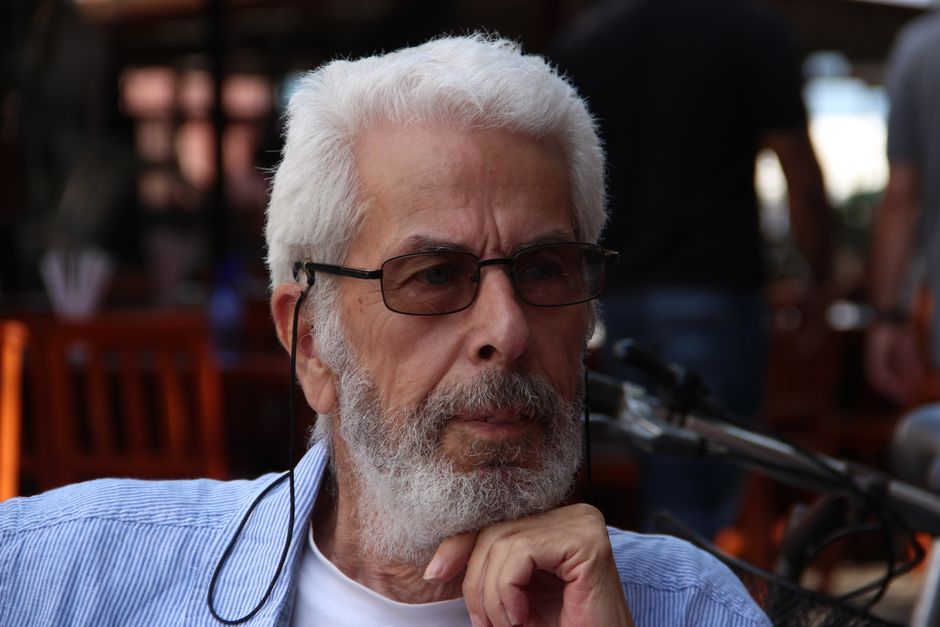
Yisrael Beytenu chairman Avigdor Liberman has reportedly dropped his refusal to join a government with haredi parties, opening the possibility of coalition discussions with United Torah Judaism (UTJ) and negotiations over a haredi draft agreement. The reported shift comes as military conscription remains a condition Liberman has tied to joining a coalition.
Conscription at the Center
In a press briefing on Tuesday, Liberman said he would not join a unity government with Prime Minister Benjamin Netanyahu or a minority government reliant on support from Arab parties. He also described a condition for partnering with haredi factions: whoever accepted his set of principles and a conscription law to draft haredim would be someone he “have no problem with.”
That position marks a change from before the elections, when Liberman drew a red line against any partnership with haredi parties. His stance now appears more flexible, according to reports by N12's Amit Segal and Channel 12. The Jerusalem Post said it had sought comment from Yisrael Beytenu and UTJ.
Liberman has long said he wouldn't join a government with Netanyahu. His Tuesday comments maintained that opposition to Netanyahu-led unity while leaving room for a different coalition arrangement involving haredi parties. He has also reportedly said that sitting with haredi factions was preferable to joining with Arab-led parties.
The reported coalition scenario includes a rotation agreement between Liberman and Yashar's Gadi Eisenkot. It would also involve negotiations over a haredi draft agreement. The bloc has reportedly discussed the possibility of a more lenient military conscription law, though the report did not specify its terms.
UTJ's Recommendation Decision
UTJ declined to recommend a candidate for prime minister to President Isaac Herzog during consultations on Thursday, November 5. The party has long been a coalition partner and ally of Netanyahu, but its abstention came amid reported tensions with him.
The decision benefited the opposition bloc seeking to replace Netanyahu. Opposition party leaders have recently signaled greater openness to including haredi parties in a coalition, a shift that could make UTJ a subject of coalition talks even as Liberman's conditions focus on conscription.
The reported opening does not mean an agreement has been reached. The accounts describe Liberman as open to partnering with UTJ, while the possible coalition arrangement remains a scenario involving negotiations and a proposed rotation agreement. The parties' positions on a draft law would be central to those talks.
A Change in Coalition Calculations
UTJ's abstention and Liberman's reported shift have altered the immediate coalition calculations described in the reports. UTJ did not recommend a prime ministerial candidate to Herzog, while opposition leaders have shown greater willingness to consider haredi partners. Liberman, for his part, has drawn a distinction between joining a government with Netanyahu and joining one with haredi factions under stated conditions.
The possible arrangement combines a rotation between Liberman and Eisenkot with negotiations over military conscription. No final agreement is reported, and the Jerusalem Post said it had sought comment from both Yisrael Beytenu and UTJ. For now, the key issue in the reported discussions is whether a coalition formula can accommodate Liberman's demand for a conscription law drafting haredim, alongside the reported possibility of a more lenient measure.
- avigdor liberman
- united torah judaism
- yisrael beytenu
- coalition talks
- haredi parties
- military conscription
- gadi eisenkot
- israel