
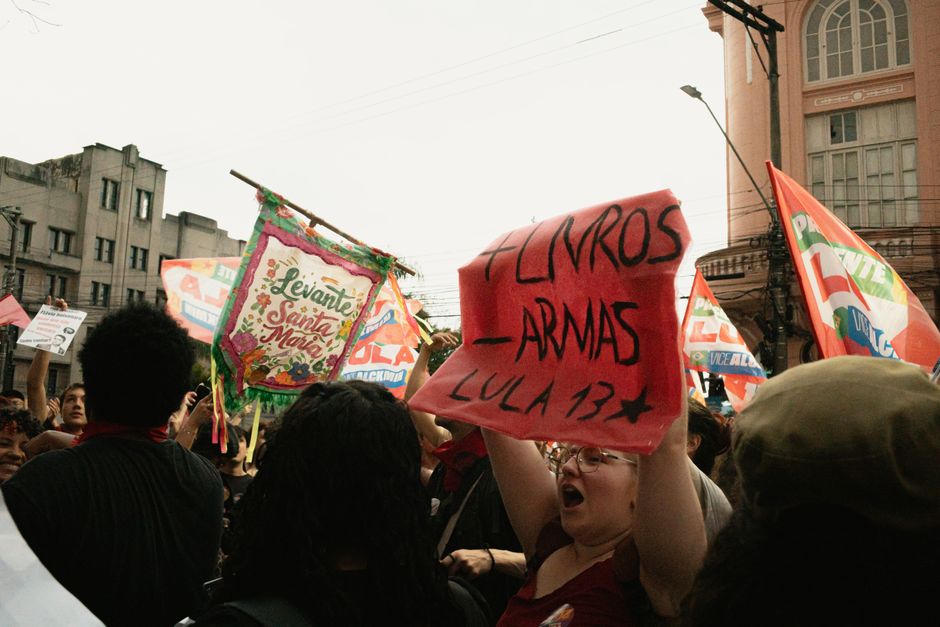
Brazil's Senate approved a constitutional amendment on Tuesday, November 3, that hands the federal government broader authority to go after the country's criminal gangs. The vote is a win for reelected President Luiz Inácio Lula da Silva. It's also a significant expansion of what Brasília can do and how much it can spend.
What the Amendment Does
The legislation creates a public security ministry, a new cabinet-level body that didn't exist before. It also changes how Brazil's security agencies coordinate with one another and allocates more resources to the fight against two organizations: the São Paulo-based First Command of the Capital, known as the PCC, and Rio de Janeiro's Red Command, or CV.
The measure is expected to be sanctioned later this week.
Three things stand out in the base facts. The amendment is constitutional, not merely statutory, which means it rewrites the permanent rules of how the state organizes its security apparatus. It builds a new ministry rather than reworking an existing one. And it directs more money toward the problem. Each of those moves enlarges the federal footprint in an area where states have traditionally carried much of the load.
The Targets
The PCC and the CV are the two gangs named in the legislation. One operates out of São Paulo, the other out of Rio de Janeiro. Naming them in the policy debate signals that lawmakers see organized crime as a national problem, not a patchwork of local ones. Whether a new ministry and a reshuffled coordination structure can actually dent groups of that size is a question the amendment itself can't answer. Results will have to be measured over time.
Politics and the Wider Stage
The timing carries weight. The Senate acted just as Lula secured another term, giving him an early legislative victory on public safety. Security has long been a contested issue in Brazilian politics, and a reelected president who can point to a new ministry and fresh resources has something concrete to show voters worried about crime.
The vote also arrives against a backdrop of shifting alignments in the developing world. An Al Jazeera opinion column published November 4 described Lula's victory as a stress test for the global South. The piece placed Brazil within a broader geopolitical contest, and the source material notes a China-Brazil signing ceremony in Beijing on May 13, 2025, about a year and six months before this week's vote. Brazil's foreign ties and its domestic security build-out are separate stories, but they unfold under the same government, and both will shape how much room Lula has to maneuver.
What Comes Next
Once the amendment is sanctioned, the harder work begins. A new ministry needs a mandate, a budget line and a clear chain of command. Existing agencies will have to decide how to share intelligence and operations under the revised coordination rules. And the extra resources promised to the fight against the PCC and the CV will need to be spent where they count, not absorbed by bureaucratic overhead.
Why This Matters:
Brazil's decision to create a new public security ministry and funnel more money into the fight against the PCC and the CV is a bet on federal capacity. Supporters will say the gangs are national threats that demand a national response. Skeptics are likely to ask what it costs, who's accountable when it falls short, and whether a bigger bureaucracy truly beats better-run existing agencies. The facts so far show a large institutional change but no published price tag or performance targets. For investors and businesses operating in Brazil, the stakes are practical: public safety shapes logistics, property rights and the cost of doing business. How Brasília spends these new resources, and whether it can show measurable results against two entrenched criminal organizations, will be the real test of this amendment.
- brazil
- luiz inácio lula da silva
- public security
- organized crime
- pcc
- red command
- constitutional amendment