
"We don't need a deal with Iran. Those days have long since passed. We've got their money, hundreds of billions of dollars, and we've got their strait," US President Donald Trump wrote on Truth Social on Thursday. He didn't say whose strait it is, or who gets to decide. Read it as a landlord's notice to a world that was never asked.
The context arrived with the price of crude. Brent was down 0.24 per cent at $95.59 a barrel at 8.53am UAE time Friday, with West Texas Intermediate 0.54 per cent lower at $88.26. Both were set for a second consecutive weekly decline of more than 2.5 per cent, after plunging about 13 per cent the week before. The ninth month of the Iran war, and the news that counts is whether a barrel gets cheaper.
The Strait of Hormuz Is Not a Stock Ticker
Trump signalled he has no intention of resuming hostilities with Iran after heavy losses for his Republican Party in the US midterm elections. Note the sequence in the report: not a ceasefire born of the dead, not a decision made for the people living under the bombs, but a ballot-box result in Washington. The war's tempo follows the electoral calendar of the country that started shooting.
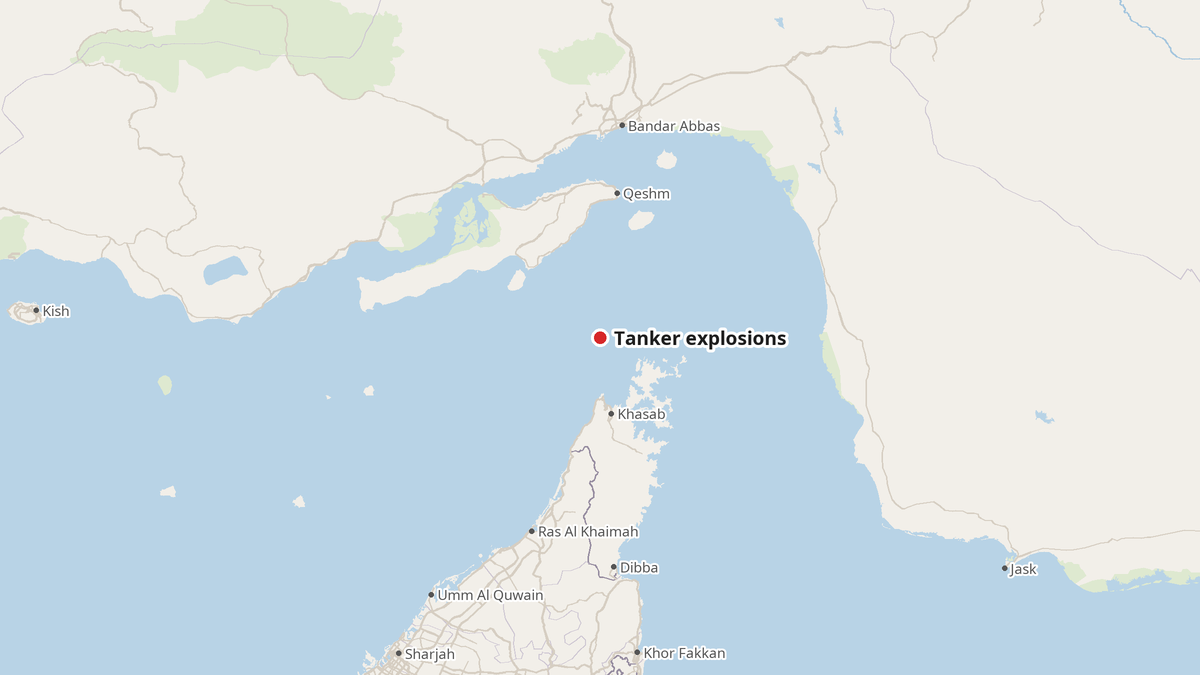
Meanwhile the shooting hasn't stopped, just changed shape. Iran's Islamic Revolutionary Guard Corps claimed explosions on two supertankers carrying more than four million barrels of oil in the strait. A tanker was struck by a projectile while travelling east in the Arabian Gulf, with casualties reported, according to the UK Maritime Trade Operations agency. Whoever the casualties were, the report doesn't name them. Crews rarely get names in this kind of story.
Houthi spokesman Yahya Saree said a pumping station on Saudi Arabia's East-West oil pipeline and the Yanbu oil installation on the Red Sea coast were hit Thursday. Saudi Arabia has exported much of its crude through that pipeline since the war began. Every armed state and armed movement in the story claims the strait, the pipeline, the shipping lane. None of them is the people who sail the tankers.
Who Gets to Call It Calm
The Strait of Hormuz carries two thirds of global crude supply and liquefied natural gas, per the report. That single chokepoint is why a presidential post on a social media platform can move markets, and why a Revolutionary Guard claim of explosions on two ships can undo a week of diplomatic hope. Emirates NBD's senior economist put it plainly: renewed Iranian attacks on shipping "tempered hopes of a diplomatic resolution, lifting Brent 1.4 per cent to $92.76 a barrel on Wednesday." Diplomacy, in this telling, is something that gets tempered by tanker fires and measured in dollars per barrel.
Notice what "easing fears" means in the headline. The fear being eased is the fear of higher prices. Not the fear of a war that, by the report's own timeline, has run since February 2026.
Money, Gold and Rate Hikes
Spot gold climbed 1 per cent to $3,917.70 per ounce at 9.55am UAE time after hitting a more than one-year low Thursday, having dropped below $4,000 as markets expect a December US Federal Reserve rate increase. So the other pole of power in this story is a central bank, whose expected decision in December is already pricing itself into metal.
Three sets of authorities appear in this report: a president claiming a strait and Iran's money, a Revolutionary Guard claiming strikes on supertankers, and Houthi forces claiming hits on Saudi oil infrastructure. A fourth, the Federal Reserve, sets the mood of the markets that watch them. The workers on the tankers, the people downstream of every pumping station and every price swing, are the ones none of them consult.
- oil prices
- strait of hormuz
- iran
- donald trump
- brent crude
- west texas intermediate
- iran war