
Houthi rebels in Yemen continued to target Saudi Arabia's East-West Pipeline this week, even as the kingdom pushed its crude output to the highest level since the war on Iran began in late February. That's the finding buried in an OPEC report issued Wednesday.
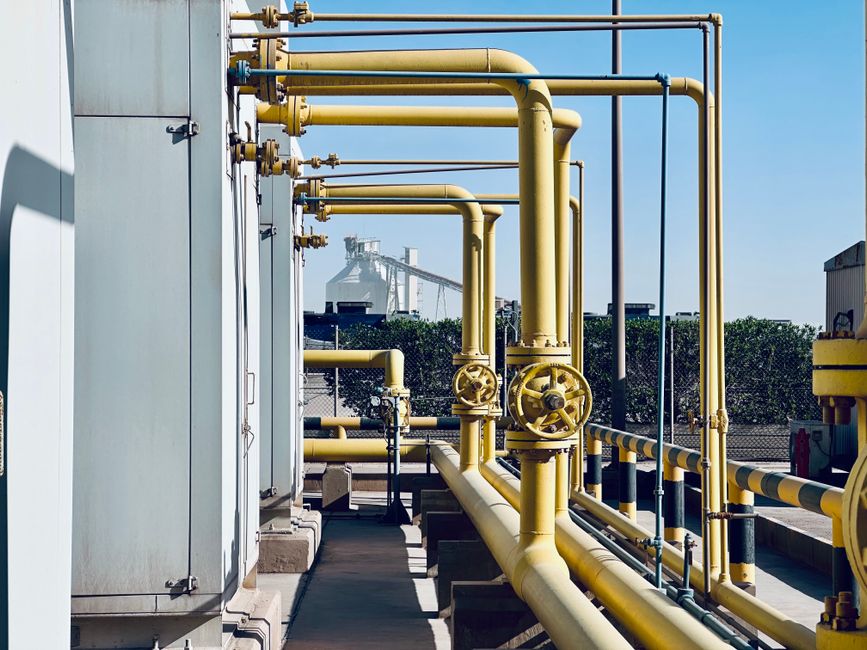
The pipeline matters. It lets Saudi crude move across the country to the Red Sea port of Yanbu without passing through the Strait of Hormuz. The Houthis, who are fighting the Saudi-backed internationally recognised government in Aden, are hitting the one workaround that keeps Riyadh's exports flowing. According to the report, Saudi exports have stabilised despite the attacks.
The Chokepoint Under Threat
The numbers show how deeply the war on Iran disrupted the world's energy supply. Saudi Arabia pumped 10.563 million barrels per day of crude in October, up by more than two million bpd from September. In February, before the US and Israeli strikes on Iran, it produced 10.882 million bpd. Riyadh had sharply increased production that month ahead of the strikes.
The conflict closed off roughly one-fifth of global oil supplies transiting the Strait of Hormuz. Energy prices soared. Annual personal consumption expenditures hit a three-year high of 4.1 percent in May, and inflation has spiked since February, when it stood at 2.9 percent.
Umud Shokri, an energy strategist and senior visiting fellow at George Mason University, told Al Jazeera that "Gulf countries are learning how costly dependence on a single maritime chokepoint can be." He added that "Hormuz remains too important to the global energy market to be easily bypassed." The United Arab Emirates, he said, has a similar advantage through its pipeline to Fujairah, which sits outside the strait.
Gulf Producers Adapt Under Pressure
The OPEC report indicates that Gulf producers are recovering exports through workarounds such as ship-to-ship transfers, which bypass disruptions caused by the conflict. The UAE regained its position as top supplier in September with a 49 percent share, up from 25 percent the previous month. The US ranked second with 28 percent, followed by Saudi Arabia with 14 percent. The data rest on secondary sources.
Japan, one of the world's largest economies, hasn't recovered. The report noted that its "crude imports fell sharply in September amid renewed disruptions to trade flows."
OPEC+ as a whole pumped 41.23 million bpd in October, up about 2.04 million bpd from September and equal to 97 percent of the 42.72 million bpd produced in February. Russia's output rose as US President Donald Trump lifted sanctions on Russian energy and announced an "energy ceasefire" between Ukraine and Russia in mid-October.
The Cost at the Pump and the Ballot Box
Shokri said higher Saudi output "could help ease some of the inflationary pressure facing American consumers." He cautioned, though, that "higher Saudi production does not automatically mean lower prices at American gas stations." US gasoline prices fell below $4 a gallon this week for the first time in months. Concerns over the stubbornly high cost of living drove the Democratic Party's sweeping victories in last week's US midterm elections.
OPEC left its global oil demand growth forecasts unchanged after cutting them six straight months. It expects demand to rise by 2.55 million bpd next year to an average of 108.3 million bpd, with growth of 180,000 bpd forecast for 2026. The report also offered an optimistic outlook for the region, saying that in 2027 "the region's economy is expected to rebound and economic activity to recover, supported by a resilient non-oil sector and robust domestic demand."
The war is now in its tenth month. The recovery in barrels is real. So is the vulnerability: a pipeline under repeated Houthi attack is carrying much of the weight.
- oil production
- opec
- saudi arabia
- iran war
- strait of hormuz
- crude oil
- energy prices
- opec+