
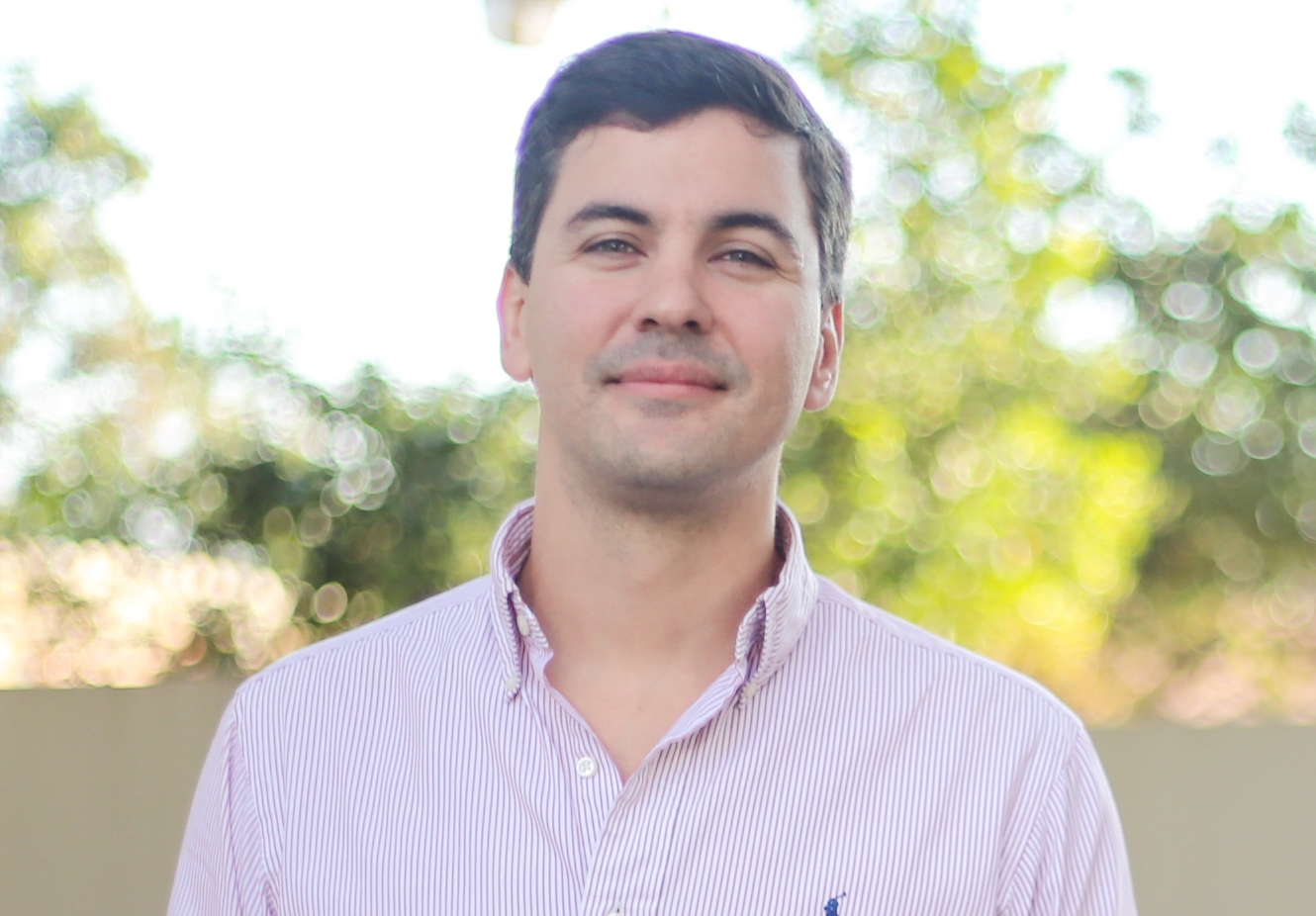
Nearly 3 million Ueno Bank customers lost access to savings and bank cards after regulators took control of the bank, while prosecutors charged ousted President Santiago Peña over the collapse and his alleged role in directing public funds to the lender. On Saturday, Nov. 7, Peña went to the attorney general’s office in Asunción for questioning. Prosecutors are seeking pretrial detention for him and former Central Bank chief Carlos Carvallo.
Jessica Aquino, 32, told AFP, “Justice has been done. Now we want him to give us back our money and go to jail.” The Senate impeached Peña on Friday, Nov. 6, and Vice President Pedro Alliana was sworn in as president, pledging to help depositors. On Saturday, the central bank said 1.2 million customers had received partial or full reimbursement of insured deposits.
Depositors and Public Funds
The Central Bank of Paraguay took control of Ueno on Tuesday, Nov. 3, over solvency concerns. The bank’s failure froze access to accounts for customers across a country of roughly 6.5 million people. Demonstrations in Asunción and other cities drew thousands demanding their money and accountability. Some protests turned violent; police fired rubber bullets and pepper spray, and another report said officers used tear gas and water cannons to disperse a protest.
Ueno said it managed between $800 million and $850 million for state institutions and pension-related bodies. The allegations against Peña include allowing the state pension fund to deposit $355 million at Ueno, above legal limits. Ueno also said about $295 million of its public exposure consisted of term deposits from the Social Security Institute, while roughly $532 million came from other public institutions. The bank said about 71% of its deposits came from the private sector and cited a $350 million bond issue as another source of financing.
The Social Security Institute said about 32,000 retirees and pensioners received benefits through Ueno and that it would coordinate with other banks to move payments. It said November benefits and the annual supplementary payment would be made on schedule, because monthly pensions are funded by employer and worker contributions, not its investments. The institute said it would form a legal team to protect its resources.
The Bank’s Expansion and the Investigation
Ueno began as a digital-first company serving low-income customers and grew into a bank handling state pensions and accounts for several state entities. It was authorized to become a bank in November 2023 and expanded through a merger with Visión Banco the following year. The company said it had about 3 million customers by June 2026. In a September public letter, Ueno reported $4.2 billion in assets, $2.5 billion in loans, $2.8 billion in deposits and a regulatory capital ratio of 14.5%, above the 12% minimum.
The central bank said adjustments during a remediation process drove Ueno’s solvency ratio below half the required minimum. Its board voted unanimously on Nov. 2 to begin a resolution process, placing the bank under intervention so officials could verify its financial position, preserve assets and determine how to handle obligations. The process did not establish how much creditors would recover.
Peña held a stake in Ueno’s controlling business group, Grupo Vázquez, until March 2025, according to Al Jazeera. He said he sold his stake then and denied ever being a direct shareholder or investor in Ueno Bank. Opposition lawmakers accused him of a conflict of interest and alleged he used political influence to direct public funds to Ueno while shielding it from regulatory scrutiny. Peña denied wrongdoing and argued the bank’s problems were a regulatory matter.
Prosecutors charged 27 people linked to Ueno and related companies with alleged financial crimes. They are reviewing loans and overdrafts to companies connected to the controlling group, including loans prosecutors say were large relative to borrowers’ ability to pay, had extended terms, or lacked sufficient collateral or documentation. Prosecutors are also investigating transfers among group companies and a loan portfolio sale worth about $74.4 million that they allege may have been indirectly financed with the bank’s own funds. These remain allegations, not findings of guilt.
Impeachment, Payments and Workers
Forty-four of 45 senators voted to impeach Peña, with one lawmaker absent. Senate President Basilio Nunez declared him “guilty of poor performance in his duties.” Peña had offered his resignation on Thursday, Nov. 5, but lawmakers rejected it and proceeded with impeachment, saying they wanted to prevent him from leaving office with political immunity. Authorities issued an arrest order after his removal and placed him under house arrest. Prosecutors say the investigation concerns “acts related to the supervision and resolution of Ueno Bank SA and the placement of public funds in said entity.”
The Deposit Guarantee Fund covers up to 75 minimum monthly wages per person and institution, about $35,700 at the central bank’s Nov. 5 reference rate. Congress passed a law allowing an advance of up to 40 minimum monthly wages, about $19,100, after overdue debts are deducted. The central bank said the first payment group included depositors with balances up to about $1,565 who did not owe money to Ueno. José Maciel of the fund said later beneficiaries “will be announced progressively over the course of the payment process.”
The crisis also brought the departures of Central Bank President Carlos Carvallo and Interior Minister Enrique Riera. Eight Ueno executives were arrested, and about 1,000 employees of ITTI, a technology company within Grupo Vázquez, were suspended for 30 days without pay. Alliana, a member of Peña’s conservative Colorado Party, said affected depositors “will be fully compensated.” He said he would serve as president until 2028.
- santiago peña
- ueno bank
- paraguay
- impeachment
- banking scandal
- pedro alliana
- carlos carvalho
- financial crisis