
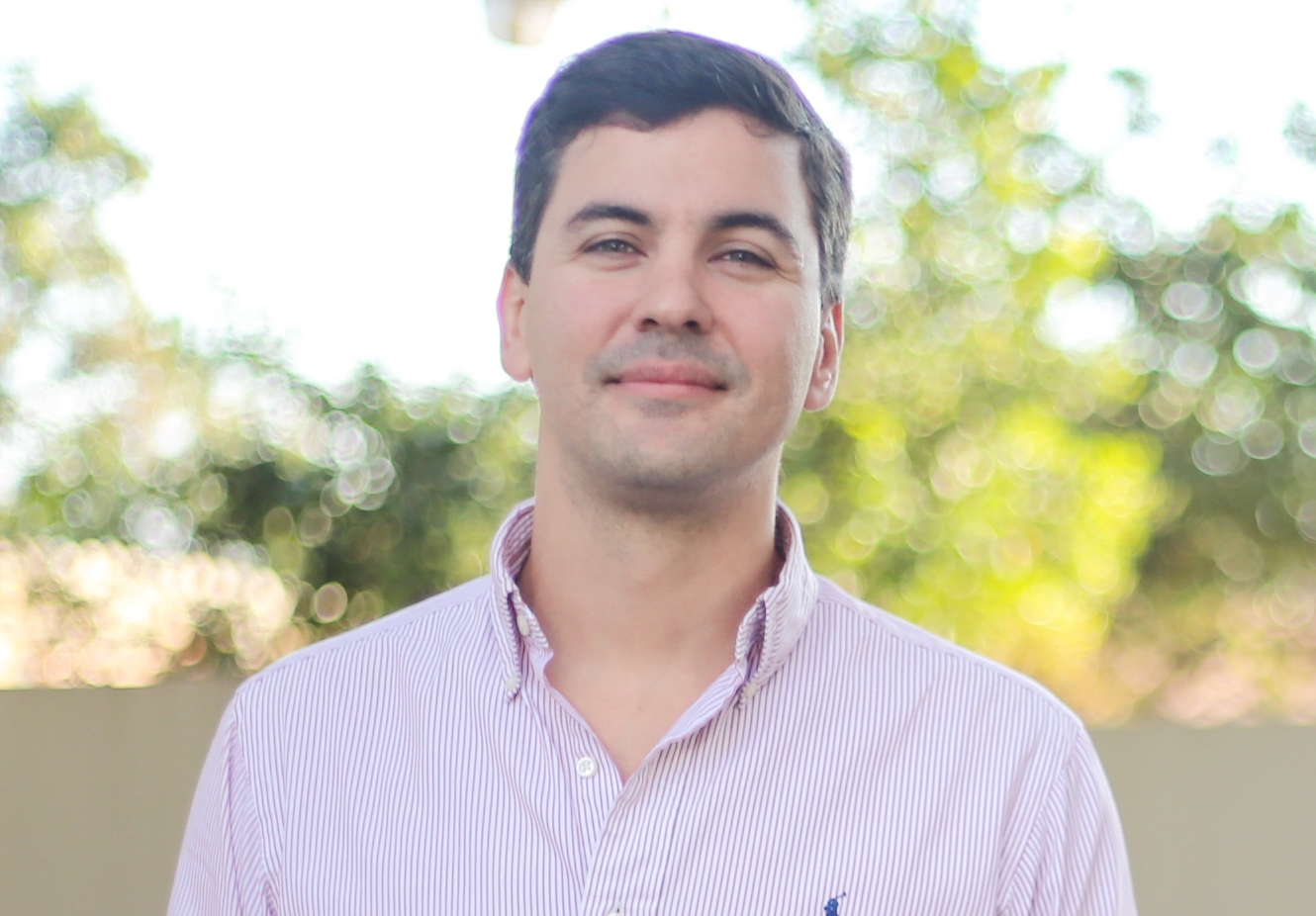
Paraguayan police and prosecutors raided the mansion of ousted President Santiago Peña on Sunday and found a hidden vault they couldn't open. Behind a false wall, officers reached an armored door with a "level 7" security system, passed one barrier, and stopped at a second. When the search ended the door was still shut and its contents unknown. The house was financed, according to the charging document, by loans from the very bank whose collapse froze the savings of nearly three million people.
Peña, an ally of United States President Donald Trump who came to power in 2023, was removed by the Senate on Friday, November 6, three days ago. All 44 senators voted to remove him for "mal desempeño en sus funciones," poor performance of duties. The Senate had rejected his attempt to resign a day earlier, and it refused his request for a 72-hour extension of the trial. Vice President Pedro Alliana was sworn in the same day and is expected to serve out the term until August 2028.
Who Profits
According to Al Jazeera, Peña held shares in Ueno's parent company until March 2025. Prosecutors allege that as president he influenced government agencies and state-owned entities to deposit large sums of public money into the bank despite concerns over its financial health. By June, Ueno held about $850 million in public funds, including money belonging to the state pension system. Lawmakers also accuse him of letting the pension fund deposit $355 million at the bank, beyond legal limits, and of appointing a former Ueno executive to run the central bank that regulated it.
The house sits at the center of the indictment. On May 13, 2024, while already president, Peña received two simultaneous loans from Ueno totaling 3.548 billion guaraníes to build it. Monthly installments of 239 million guaraníes equaled six times his presidential salary, prosecutors say. Construction cost about 7.7 billion guaraníes, roughly $1.2 to $1.3 million by ABC Color's figures. One investigation put the mansion's value at about $2 million. In January 2025, answering criticism of the residence, Peña said he "has worked since he was 18."
Prosecutors put the damage to the State at about $809 million. The central bank said Ueno had made $146 million in questionable loans to companies linked to its owner, and that its corrected accounts showed capital below half the legal minimum. Prosecutors charged Peña with breach of trust and with administration for personal gain. Carlos Carvallo, a former central bank president who previously headed Ueno, was also charged and ordered into pretrial detention. Neither has been convicted. Peña's lawyer, Ricardo Preda, said Peña will plead not guilty and called the removal an attempt "to oust the president without evidence."
Who Pays
More than three million people were frozen out of their accounts, close to half the country's population. Pension funds and government-owned accounts were caught too. The central bank says it has partially or fully refunded more than 1.2 million customers. Deposits are insured up to about $37,000. Account holders with blocked accounts and savings certificates have no schedule yet. The guaraní has lost about 8% of its value against the dollar since the bank was intervened.
Cinthia Vargas, a saver, said: "I had my entire life savings in Ueno Bank. I'd been saving there for five years, and overnight I lost everything. I was left with nothing. Five years of savings, five years of honest work."
Public schoolteachers struck Monday and marched in several cities. Silvio Piris, president of the Federation of Paraguayan Educators, said teachers are worried about around $60 million in pension funds deposited in Ueno. "We want the return of that money to be a priority," he told Channel 9. Protests since the collapse have included clashes with police.
The State's Role
Judge Humberto Otazú ordered Peña held in pretrial detention at the Presidential Escort Regiment in Asunción, an army unit, rather than a common prison. Prosecutors seized his iPhone there on Sunday after the commander said he could use it. Prosecutor Cristian Benítez said investigators are weighing a controlled detonation to open the vault, though he said asking Peña's wife to try to open it is also an option and detonation would be a last resort.
Analyst Andrew Nickson of the University of Birmingham told Al Jazeera: "The judicial system is so corrupt and politicised in favour of the [ruling] Colorado Party that only scapegoats are likely to suffer long-term sentences." He said two earlier attempts since the 1990s to prosecute former presidents for corruption ended with charges dropped on appeal. The Colorado Party has held the presidency since 1948, except for five years between 2008 and 2013.
Alliana, meanwhile, asked all ministers and agency heads in trust posts to put their jobs at his disposal and spoke by phone with US Secretary of State Marco Rubio. Taxpayers hit by the collapse will pay no fines or interest on late payments. Opposition Senator Rafael Filizzola called it "the biggest corruption scandal in our democratic history." Bloomberg reports the Brazil-Paraguay dam giant Itaipu had stashed $182 million in the failed bank.
- santiago peña
- ueno bank
- paraguay
- impeachment
- pretrial detention
- breach of trust
- carlos carvallo
- pedro alliana