
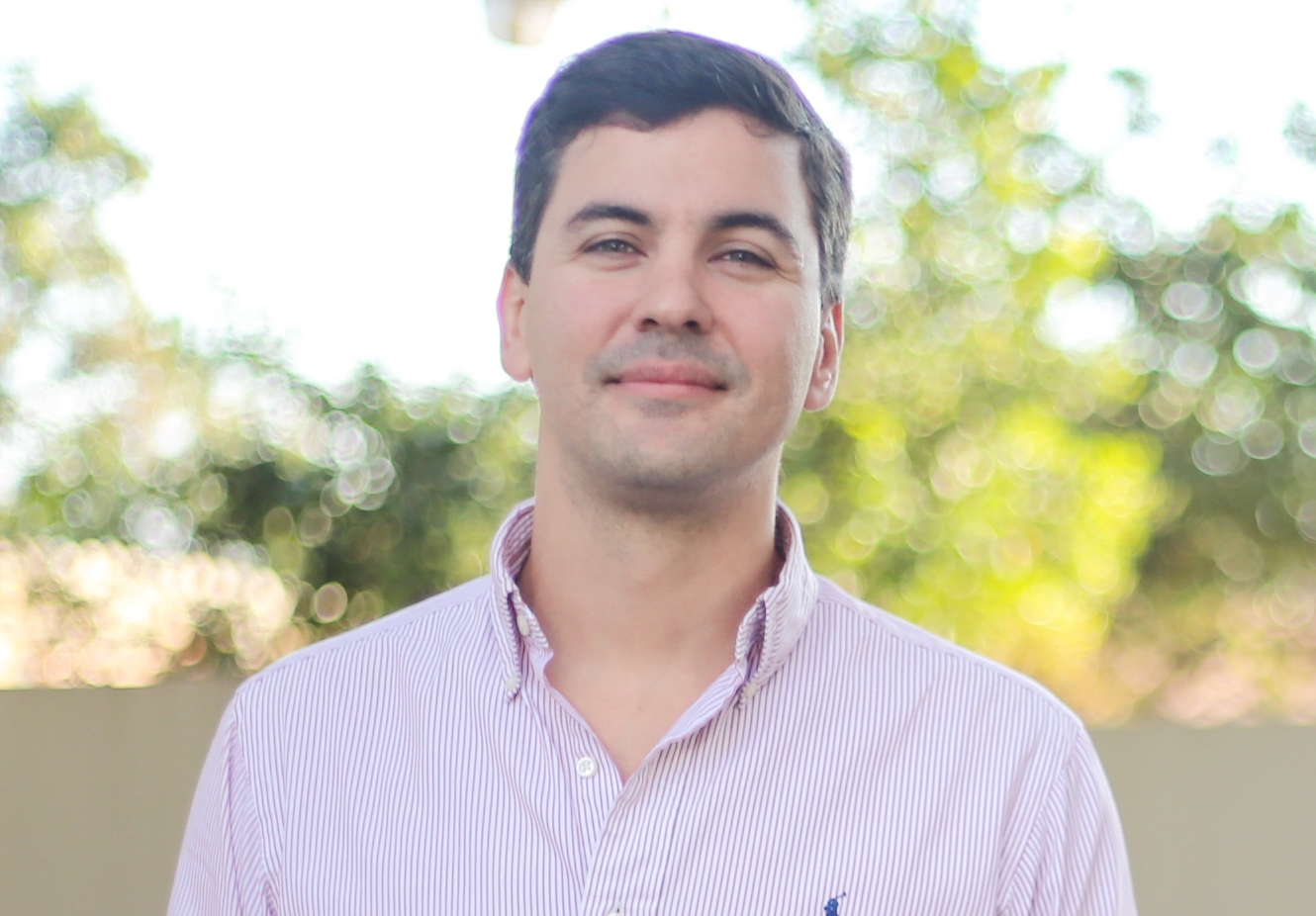
Nearly three million Paraguayans woke up this weekend unable to reach their own savings, and on Saturday prosecutors made clear who they hold responsible. They charged former President Santiago Peña, removed from office by the Senate on Friday, in the collapse of Ueno Bank, and asked a judge to order his pre-trial detention. The judge hasn't ruled yet.
Peña testified before prosecutors on Saturday. He's accused of alleged breach of trust, as instigator, and self-serving administration, as perpetrator. He denies any wrongdoing.
Prosecutors also charged Carlos Carvallo, the former Central Bank president, who is already in custody. His résumé is at the center of the case. Carvallo had been Ueno's chief executive before Peña appointed him to run the very institution meant to supervise banks like it. He faces charges of breach of trust, producing false public documents and self-serving administration.
What Prosecutors Allege
The accusations describe a bank that, between 2023 and 2026, took in large deposits from public bodies and the national pension system. At the same time, according to prosecutors, it granted allegedly irregular loans to companies linked to its owners, the Vázquez Group. Public money, in other words, flowed in while credit flowed out to insiders. The period of alleged irregular lending runs into the current year.
Those deposits included the pension system, the savings of ordinary workers. That's the human stakes behind the legal language. When a bank fails, the people who bear the cost are depositors, not the executives or owners.
A Crisis on the Streets and in the Cabinet
Peña had been under house arrest after his removal. Overnight he was moved to the barracks of the Presidential Escort Regiment, which handles presidential security, after protesters threw stones at police and tore down fences near his residence in Asunción. Police dispersed the crowd. The barracks carry a heavy history: dictator Alfredo Stroessner took refuge there in 1989, during the military coup that toppled him, 37 years earlier.
The new president, Pedro Alliana, began his term with cabinet changes. He named Ariel Martínez interior minister, a post Martínez held under former President Horacio Cartes (2013-2018). He also appointed Juan Carlos Baruja, head of the ruling Colorado Party and likewise close to Cartes, as public works minister. Alliana said he would suspend foreign travel to focus on the crisis and promised that all those affected would recover their savings.
Getting Savings Back
Payouts have begun. Customers with balances of up to about US$1,500 are recovering their money, and payments will later extend to an initial maximum of 40 minimum wages, about 121 million guaraníes, or US$19,300. Banks will open exceptionally on Sunday so those affected can open accounts and complete the necessary procedures.
The relief is partial and staged. Depositors above the initial cap, and anyone who can't get to a branch, are left waiting.
Opposition Demands
Tension remains high. Protesters and the opposition accuse Alliana of failing to act in time to prevent the bank's collapse. They're also demanding his removal and early elections in early 2027.
Why This Matters: The case tests whether Paraguay's institutions can hold the powerful to account when ordinary savers pay the price. Prosecutors allege that public bodies and the pension system fed deposits into a bank that lent to its owners' own companies, and that the official in charge of oversight came straight from the bank's top job. If those allegations hold up in court, they point to a supervision failure that left millions exposed. The payout schedule shows how recovery depends on public action, and how unevenly it arrives, with small balances paid first and larger ones later. Opposition demands for early elections show the political cost of the crisis is still unfolding. Whatever the judge decides on detention, depositors will be watching to see whether promises of full repayment are kept.
- santiago peña
- ueno bank
- carlos carvallo
- pedro alliana
- paraguay
- bank collapse
- breach of trust
- pre-trial detention