
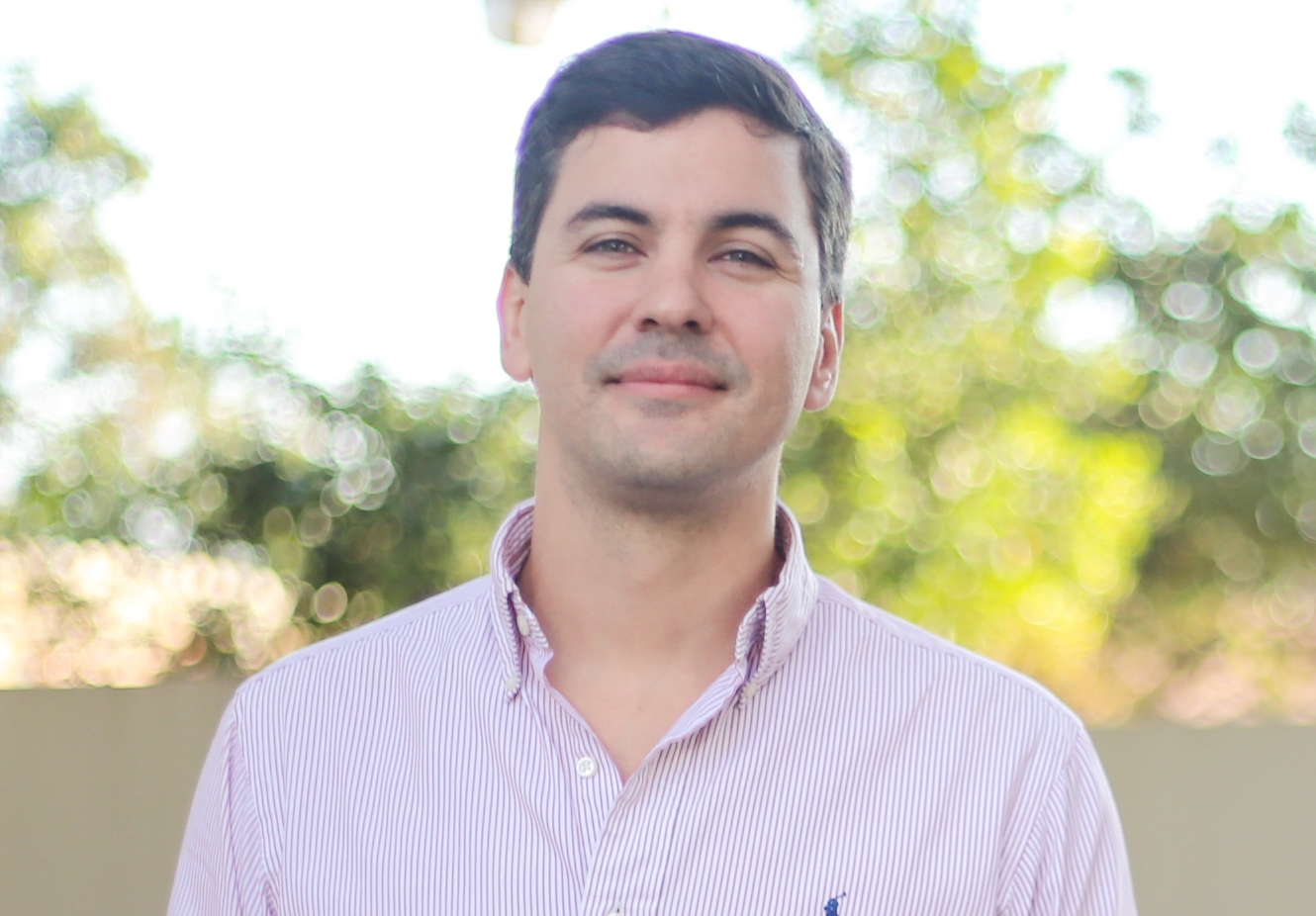
Cinthia Vargas had saved at Ueno Bank for five years. Then, overnight, her money was gone. "I was left with nothing," she said. "Five years of savings, five years of honest work." She's one of more than 3 million Paraguayans, close to half the country's population, who were frozen out of their accounts when the bank collapsed, and the fallout has now brought down a president.
Paraguayan police and prosecutors raided the mansion of ousted President Santiago Peña on Sunday as part of the investigation into Ueno's failure. They found a hidden vault they couldn't open. The Senate had removed Peña three days ago, on Friday, November 6, voting unanimously, with all 44 senators in favor, for "mal desempeño en sus funciones" (poor performance of duties). Senators rejected his attempt to resign a day earlier and refused his request for a 72-hour extension of the trial.
The Charges and the Money
Prosecutors charged Peña with breach of trust, as instigator, and administration for personal gain or self-dealing, as perpetrator. They put the damage to the State at about US$809 million, counting state funds deposited in the bank. Al Jazeera reports each offense could carry up to 10 years in prison; La Nación reports prosecutors said he could face up to 20 years if found guilty. He hasn't been convicted. His lawyer, Ricardo Preda, said Peña would plead not guilty and cooperate with investigators, and argued that "attempting to oust the president without evidence" is what undermines confidence in the financial system. Peña maintains the bank's difficulties were a regulatory matter.
According to Al Jazeera, Peña held shares in Ueno's parent company until March 2025. Prosecutors allege that as president he influenced government agencies and state-owned entities to deposit large sums of public money into the bank despite concerns over its financial health. By June, Ueno held roughly $850 million in public funds, including money belonging to the state pension system. Lawmakers accuse him of appointing a former Ueno executive to run the central bank that regulated it, and of letting the pension fund deposit $355 million at the bank, beyond legal limits. Legislators also say regulators overlooked risky insider lending.
Carlos Carvallo, the former central bank president who previously headed Ueno, was also charged and ordered into pretrial detention. He too hasn't been convicted.
The Vault and the House
The raid began shortly before 19:00 Sunday at Peña's summer residence in San Bernardino, about 50 kilometers east of Asunción. Behind a false wall, officers found an armored door with a reported "level 7" security system requiring facial or iris recognition, a fingerprint, a numeric code and multilock-type keys. They got past a first door and stopped at a second barrier. Prosecutor Cristian Benítez said authorities are weighing "una detonación controlada" (a controlled detonation) if there's no other way in. On Monday he said asking Peña's wife to try to open it is among the options, and that detonation would be a last resort because it could damage the contents. The vault remained closed as of Monday.
The house sits at the center of the indictment. According to the charging document, on May 13, 2024, while already president, Peña received two simultaneous loans from Ueno totaling 3.548 billion guaraníes to build it. Monthly installments of 239 million guaraníes equaled six times his presidential salary, prosecutors say. Construction cost about 7.7 billion guaraníes. In January 2025, answering criticism of the residence, Peña said he "has worked since he was 18" and considered himself "an honest, hard-working person."
Who Pays the Price
The central bank intervened last Tuesday after finding Ueno had breached minimum solvency requirements. It had made $146 million in questionable loans to companies linked to its owner, and corrected accounts showed capital below half the legal minimum. The closure hit pension funds and government-owned accounts too. By Saturday, the central bank had partially or fully refunded more than 1.2 million customers. Deposits are insured up to about $37,000, and guarantee payments run until Wednesday, November 11. Holders of blocked accounts and savings certificates have no individual schedule yet. The guaraní has lost about 8% of its value against the dollar since the intervention.
Public schoolteachers struck Monday over roughly 60 million dollars in pension funds deposited in Ueno. "We want the return of that money to be a priority," said Silvio Piris, president of the Federation of Paraguayan Educators. Protests have spread, some turning violent in clashes with police. Opposition Senator Rafael Filizzola called it "the biggest corruption scandal in our democratic history."
Doubts About Accountability
Vice President Pedro Alliana, sworn in Friday, asked ministers and agency heads in trust posts to put their jobs at his disposal and asked the Senate to approve Fernando Rivarola, a former bank supervision manager who had warned about Ueno, for the central bank board. He also said affected taxpayers will pay no fines, surcharges or interest.
But Andrew Nickson, a Paraguay expert at the University of Birmingham, was blunt. "The judicial system is so corrupt and politicised in favour of the [ruling] Colorado Party that only scapegoats are likely to suffer long-term sentences," he told Al Jazeera. He noted two earlier attempts since the 1990s to prosecute former presidents for corruption ended with charges dropped on appeal. The Colorado Party has held the presidency since 1948, except for five years between 2008 and 2013.
Why This Matters: When a bank holding public money fails, the people who pay first aren't the powerful. They're teachers waiting on pension funds, savers who trusted a digital bank launched in 2021, and taxpayers who see state deposits put at risk. Prosecutors allege officials steered public funds toward an institution tied to the president's own former holdings while regulators looked away. That's the kind of failure that independent oversight and enforced deposit limits exist to prevent. Whether Paraguay's courts can deliver real accountability, rather than scapegoats, will shape public trust in its institutions long after the refunds are paid.
- santiago peña
- ueno bank
- paraguay
- impeachment
- pretrial detention
- breach of trust
- carlos carvallo
- pedro alliana