
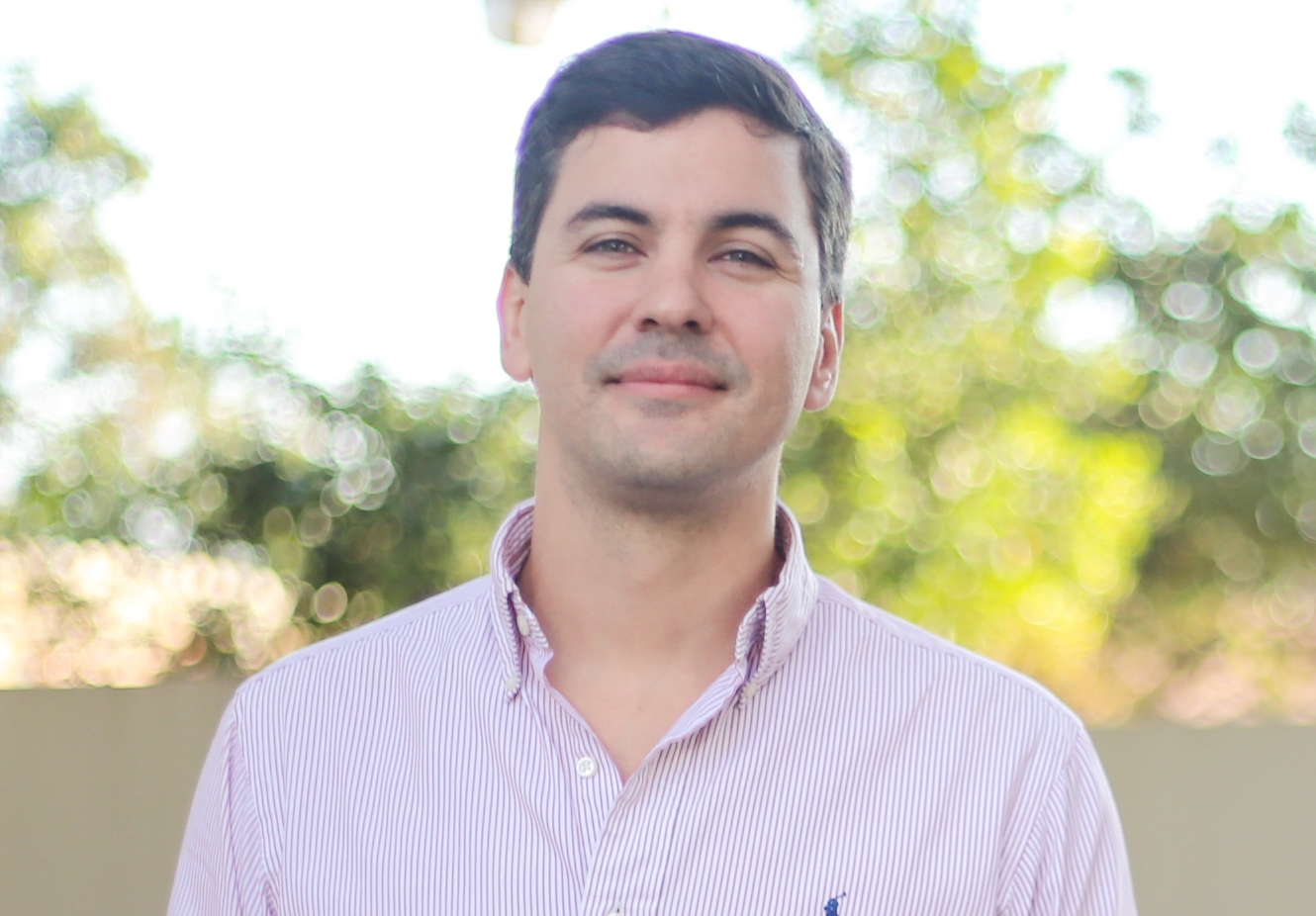
Paraguayan police and prosecutors raided the mansion of ousted President Santiago Peña on Sunday and found a hidden vault they couldn't open. Behind a false wall sat an armored door with a "level 7" security system. Facial or iris recognition, fingerprint, numeric code, multilock keys. Officers got past one door and stopped at the second. The contents remain unknown. Nearly three million people, close to half the country, still can't reach their savings.
That's the picture. A man at the top of the pyramid built himself a fortress. The people at the bottom got locked out of their own money.
Who Has the Power
Peña took power in 2023. Prosecutors allege that as president he influenced government agencies and state-owned entities to park large sums of public money in Ueno Bank despite concerns over its financial health. By June, Ueno held about $850 million in public funds, including money belonging to the state pension system. Legislators say he held a stake in Ueno's holding company until March 2025, and that he put a former Ueno executive in charge of the central bank that regulated it. They also say he let the pension fund deposit $355 million, beyond legal limits.
The house is central to the indictment. On May 13, 2024, while already president, Peña received two simultaneous loans from Ueno totaling 3.548 billion guaraníes to build it. Monthly installments of 239 million guaraníes equaled six times his presidential salary, prosecutors say. Construction cost about 7.7 billion guaraníes. The lot measures 5,012 square meters. In January 2025, answering critics of the residence, Peña said he "has worked since he was 18" and considered himself "an honest, hard-working person."
The Senate voted 44 to 0 to remove him for "mal desempeño en sus funciones" on Friday, November 6. It had earlier refused to accept his resignation. He now sits at the Presidential Escort Regiment, an army unit, not a common prison. Judge Humberto Otazú ordered the detention. He hasn't been convicted. Prosecutors put the damage to the State at about US$809 million.
His lawyer, Ricardo Preda, offered this: "What sets a serious country apart is not that its banks don't fail, but how it responds. If there is one thing that undermines confidence in the financial system, it is attempting to oust the president without evidence."
Who Gets Crushed
Cinthia Vargas had her entire life savings in Ueno. "I'd been saving there for five years, and overnight I lost everything. I was left with nothing," she said. "Five years of savings, five years of honest work. I never stole from anyone, never bothered anyone. What for? So that Santiago Peña and his whole gang of criminals could come and rob us?"
The central bank intervened last Tuesday after finding Ueno had breached minimum solvency requirements. The bank had made $146 million in questionable loans to companies linked to its owner, and its corrected accounts showed capital below half the legal minimum. Pension funds and government-owned accounts were frozen too. The guaraní has lost about 8% of its value against the dollar since the intervention.
The refund machinery is moving slowly. By Saturday the central bank had partially or fully refunded more than 1.2 million customers, with about $158 million paid out. Deposits are insured up to about $37,000. Account holders with blocked accounts and savings certificates have no individual schedule yet.
What People Actually Did
Public schoolteachers walked out Monday and took to the streets of several cities. Silvio Piris, president of the Federation of Paraguayan Educators, said teachers worry about the fate of around 60 million dollars in pension funds deposited in Ueno. "We want the return of that money to be a priority," he told Channel 9. The crisis has also sparked widespread protests, some turning violent in clashes with police.
What They're Calling "Justice"
Prosecutors charged Peña with breach of trust and self-dealing, offenses that could carry up to 10 years each. Carlos Carvallo, former central bank president who previously headed Ueno, was also charged and ordered into pretrial detention. Prosecutor Cristian Benítez said officers are weighing a controlled detonation of the vault, or asking Peña's wife to try to open it.
Analyst Andrew Nickson of the University of Birmingham told Al Jazeera: "The judicial system is so corrupt and politicised in favour of the [ruling] Colorado Party that only scapegoats are likely to suffer long-term sentences." Two earlier attempts since the 1990s to prosecute former presidents for corruption ended with charges dropped on appeal. "The same thing is likely to happen with Peña." The Colorado Party has held the presidency since 1948, except for five years between 2008 and 2013.
New President Pedro Alliana, sworn in Friday, has asked ministers and agency heads to put their jobs at his disposal. He also took a call from US Secretary of State Marco Rubio and accepted an invitation to a future meeting. Opposition Senator Rafael Filizzola called it "the biggest corruption scandal in our democratic history." Meanwhile the vault stays shut, and a country's savings stay frozen behind it.
- santiago peña
- ueno bank
- paraguay
- impeachment
- pretrial detention
- breach of trust
- carlos carvallo
- pedro alliana