
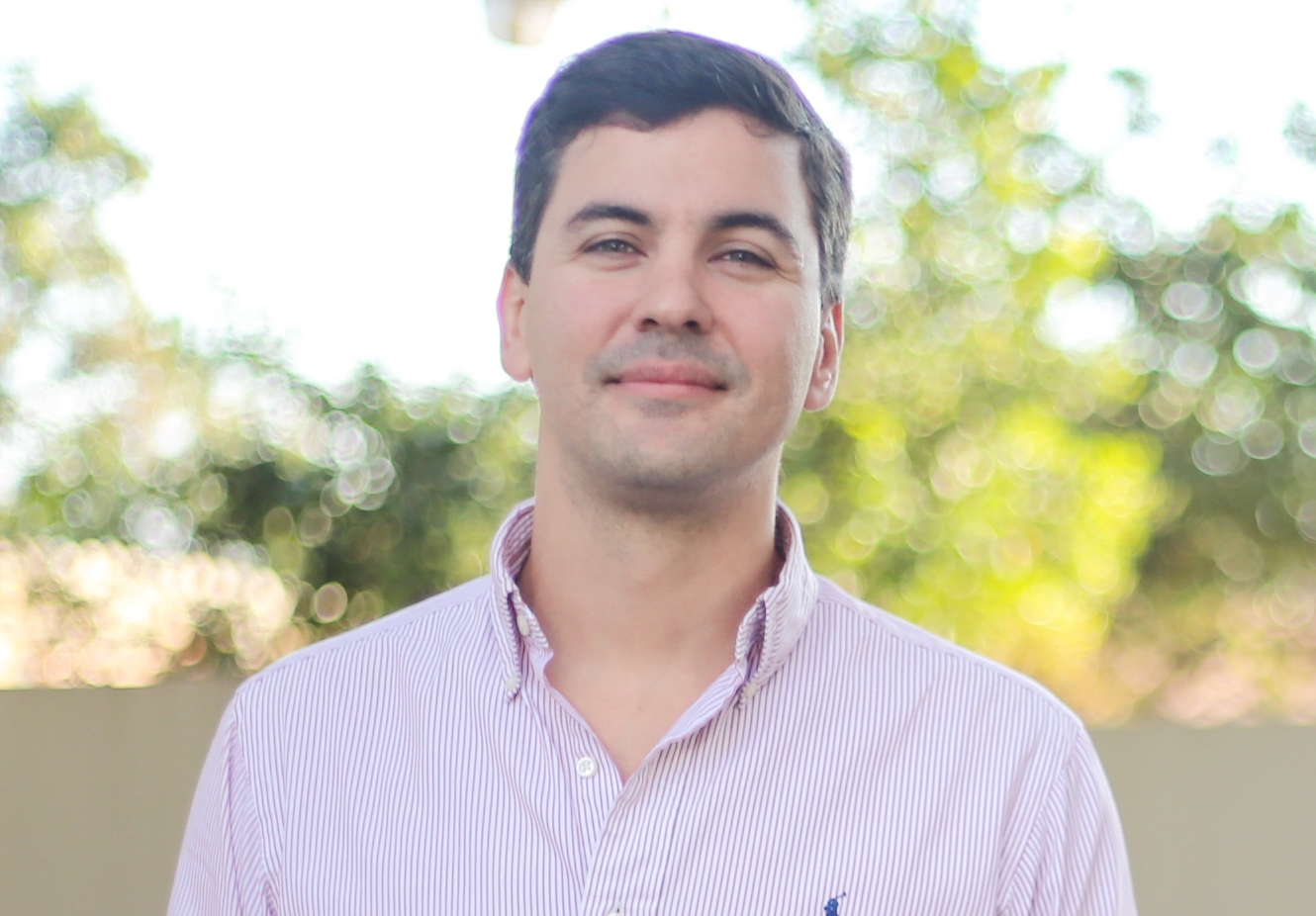
Paraguayan police and prosecutors raided the mansion of ousted President Santiago Peña on Sunday and found a hidden vault they couldn't open. The search, part of the investigation into the collapse of Ueno Bank, came one day after a judge ordered Peña into pretrial detention and three days after the Senate removed him from office.
The Collapse and the Cost
The numbers are stark. Nearly three million customers, close to half the country's population, were locked out of their savings when Ueno, one of Paraguay's largest digital banks, failed. The central bank intervened last Tuesday after discovering that Ueno had breached minimum solvency requirements. The bank had made $146 million in questionable loans to companies linked to its owner, and its corrected accounts showed capital had fallen below half the legal minimum.
The damage reached well beyond individual savers. Pension funds and government-owned accounts were caught up in the closure. By June, Ueno held approximately $850 million in public funds, including money belonging to the state pension system. Prosecutors put the damage to the State at about US$809 million, counting state funds deposited in the bank.
The guaraní has lost about 8% of its value against the U.S. dollar since Ueno was intervened. Protests followed, and some turned violent in clashes with police.
The Charges
Prosecutors charged Peña with breach of trust (as instigator) and administration for personal gain or self-dealing (as perpetrator). Al Jazeera reports each offense could carry a prison sentence of up to 10 years; La Nación reports prosecutors said he could face up to 20 years if found guilty. He hasn't been convicted. Peña has denied wrongdoing and maintains that the bank's difficulties were a regulatory matter.
According to Al Jazeera, Peña held shares in Ueno's parent company until March 2025, and prosecutors allege that as president he influenced government agencies and state-owned entities to deposit large sums of public money into the bank despite concerns over its financial health. Legislators accused him of steering hundreds of millions of dollars in public funds into Ueno while regulators overlooked risky insider lending. They also allege he appointed a former Ueno executive to run the central bank that regulated it, and let the state pension fund deposit $355 million at the bank, beyond legal limits.
Carlos Carvallo, former president of the central bank who previously headed Ueno, was also charged and ordered into pretrial detention. He hasn't been convicted either.
Peña's lawyer, Ricardo Preda, said his client would plead not guilty and cooperate with investigators. "What sets a serious country apart is not that its banks don't fail, but how it responds," Preda said on Friday. "If there is one thing that undermines confidence in the financial system, it is attempting to oust the president without evidence."
The House and the Vault
The raid began shortly before 19:00 on Sunday at Peña's summer residence in San Bernardino, about 50 kilometers east of Asunción. Prosecutors Silvia González, Cristian Benítez and Elena Fiore led the operation. Officers found a vault behind a false wall. Reports describe an armored door with a "level 7" security system requiring facial or iris recognition, fingerprint, numeric code and multilock-type keys. Officers passed a first door and stopped at a second barrier.
The door stayed shut. "Estamos analizando la posibilidad de armar una detonación controlada, si es que no hay otra manera de abrir," Benítez told the press. On Monday he said asking Peña's wife to try to open the vault is among the options, with a controlled detonation the last resort because it could damage the contents.
The house sits at the center of the indictment. According to the charging document, on May 13, 2024, while already president, Peña received two simultaneous loans from Ueno totaling 3.548 billion guaraníes to build it. Monthly installments of 239 million guaraníes equaled six times his presidential salary, according to prosecutors. Construction cost about 7.7 billion guaraníes. In January 2025, answering criticism of the residence, Peña said he "has worked since he was 18" and considered himself "an honest, hard-working person."
Government Response
Vice President Pedro Alliana was sworn in Friday and is expected to serve out the term until August 2028. The central bank began returning deposits, and Alliana said approximately $158 million had been paid out to 1.2 million customers, with more reimbursements expected this week. Deposits are insured up to about $37,000. Account holders with blocked accounts and savings certificates have no individual schedule yet.
On Monday, Alliana asked all ministers and agency heads in trust posts to put their jobs at his disposal. He also asked the Senate to approve Fernando Rivarola, a former bank supervision manager who had warned about Ueno, for the central bank board. Taxpayers hit by the crisis will pay no fines, late-payment surcharges or interest.
Public schoolteachers struck Monday over roughly $60 million in pension funds deposited in Ueno. "We want the return of that money to be a priority," said Silvio Piris, president of the Federation of Paraguayan Educators.
Analyst Andrew Nickson of the University of Birmingham was skeptical about accountability. "The judicial system is so corrupt and politicised in favour of the [ruling] Colorado Party that only scapegoats are likely to suffer long-term sentences," he told Al Jazeera, noting two earlier attempts to prosecute former presidents ended with charges dropped on appeal.
Why This Matters:
This case tests whether Paraguay's institutions can enforce rules on those who write them. The allegations center on public money, including pension savings, flowing into a single bank beyond legal limits while the regulator allegedly looked away. That's a failure of oversight, not just of one lender. Savers who did everything right, like Cinthia Vargas, who said she'd saved for five years, absorbed the fallout. The insured deposit cap of about $37,000 and a weakening guaraní show how quickly confidence erodes. Peña's defense deserves a fair hearing, and he hasn't been convicted. But if courts can't deliver credible outcomes, investors and depositors will price in that doubt.
- santiago peña
- ueno bank
- paraguay
- impeachment
- pretrial detention
- breach of trust
- carlos carvallo
- pedro alliana