
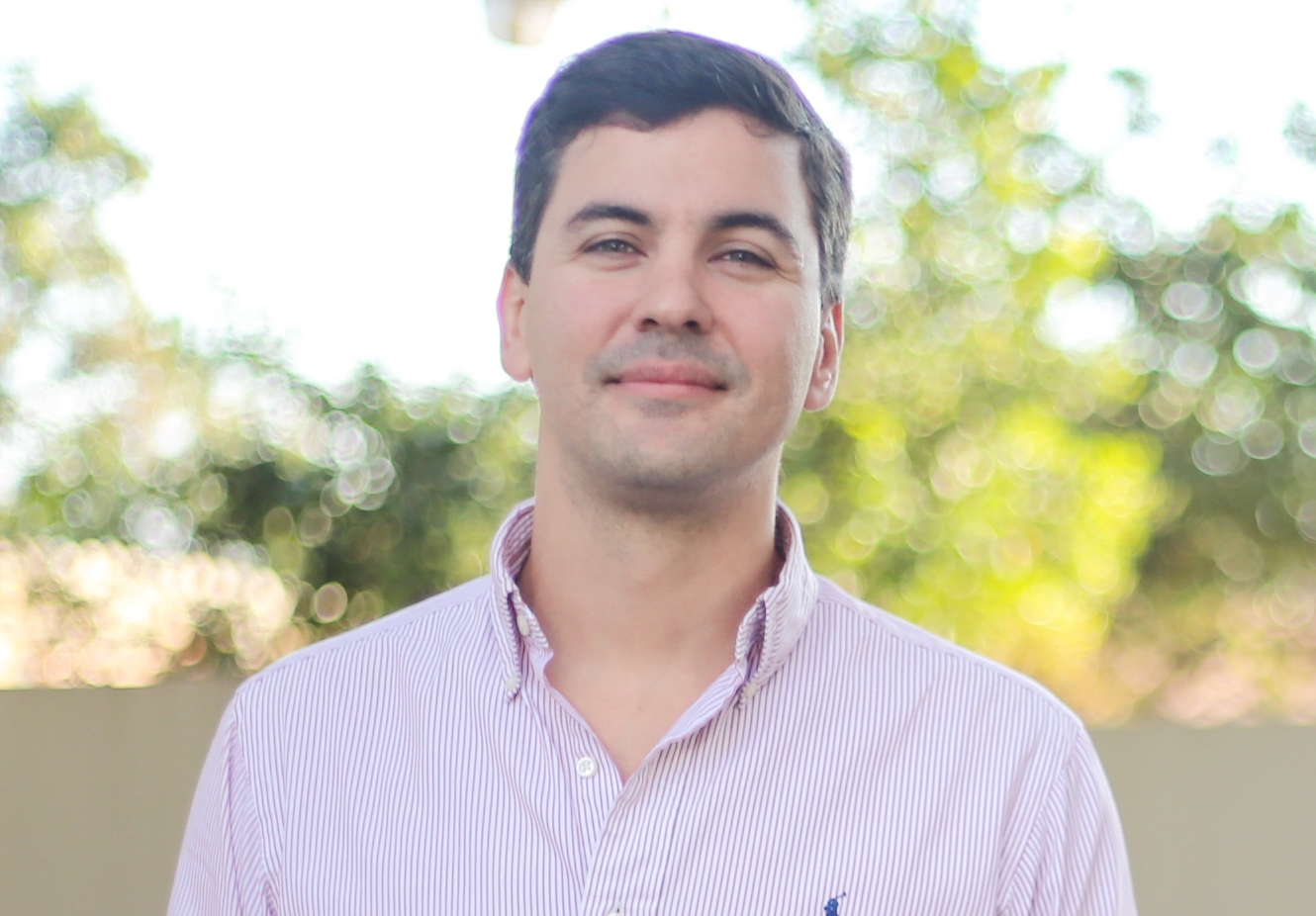
Paraguayan prosecutors on Saturday charged former President Santiago Peña and asked a judge to jail him before trial over the collapse of Ueno Bank, a failure that froze the savings of nearly three million customers. The Senate removed Peña from office on Friday. A judge now has to rule on the detention request.
The scale of the damage is hard to overstate. Nearly three million depositors, in a country that has been trying to build confidence in its financial system, suddenly couldn't reach their own money.
The Charges
Pr/osecutors accuse Peña of alleged breach of trust, as instigator, and self-serving administration, as perpetrator. He testified before prosecutors on Saturday and denies any wrongdoing.
They also charged Carlos Carvallo, the former Central Bank president, who is already in custody. Carvallo had served as Ueno's chief executive before Peña appointed him to run the Central Bank, the very institution responsible for supervising lenders like Ueno. He faces charges of breach of trust, producing false public documents and self-serving administration.
According to prosecutors, the pattern ran from 2023 to 2026. In that period, Ueno took in large deposits from public bodies and the pension system while granting allegedly irregular loans to companies linked to its owners, the Vázquez Group. Public money, in other words, flowed into a bank that allegedly lent it onward to insiders.
Unrest and a New Government
Peña had been placed under house arrest after his removal. Overnight, authorities moved him to the barracks of the Presidential Escort Regiment, which is responsible for presidential security, after protesters threw stones at police and tore down fences near his residence in Asunción. Police dispersed the crowd. The barracks carry their own history: dictator Alfredo Stroessner took refuge there in 1989, during the military coup that toppled him.
The new president, Pedro Alliana, began his term with cabinet changes. He named Ariel Martínez interior minister, a post Martínez held under former President Horacio Cartes (2013-2018). Juan Carlos Baruja, head of the ruling Colorado Party and also close to Cartes, becomes public works minister. Alliana said he would suspend foreign travel to focus on the crisis and promised that all those affected would recover their savings.
Getting Depositors Their Money
The repayment process has started. Customers with balances of up to about US$1,500 have begun recovering their money. Payouts will later extend to an initial maximum of 40 minimum wages, about 121 million guaraníes or US$19,300. Banks will open on Sunday, an unusual step, so those affected can open accounts and complete the paperwork.
The political temperature hasn't cooled. Protesters and the opposition accuse Alliana of failing to act in time to prevent the bank's collapse, and they're demanding his removal and early elections in early 2027.
Why This Matters:
The case goes to the core of what makes a banking system work: depositors must be able to trust that regulators are independent of the institutions they police. Prosecutors allege the head of the Central Bank came straight from running Ueno, and that public and pension funds were steered into a lender making questionable loans to its owners' own companies. How the government makes depositors whole, and who ends up footing the bill, will shape Paraguay's fiscal position and its credibility with investors. The prosecution also tests whether institutions can hold even a former head of state to account through legal process rather than street pressure. Meanwhile, demands for another change at the top, barely days after a removal, raise the question of how much more instability the country's institutions can absorb.
- santiago peña
- ueno bank
- carlos carvallo
- pedro alliana
- paraguay
- bank collapse
- breach of trust
- pre-trial detention