
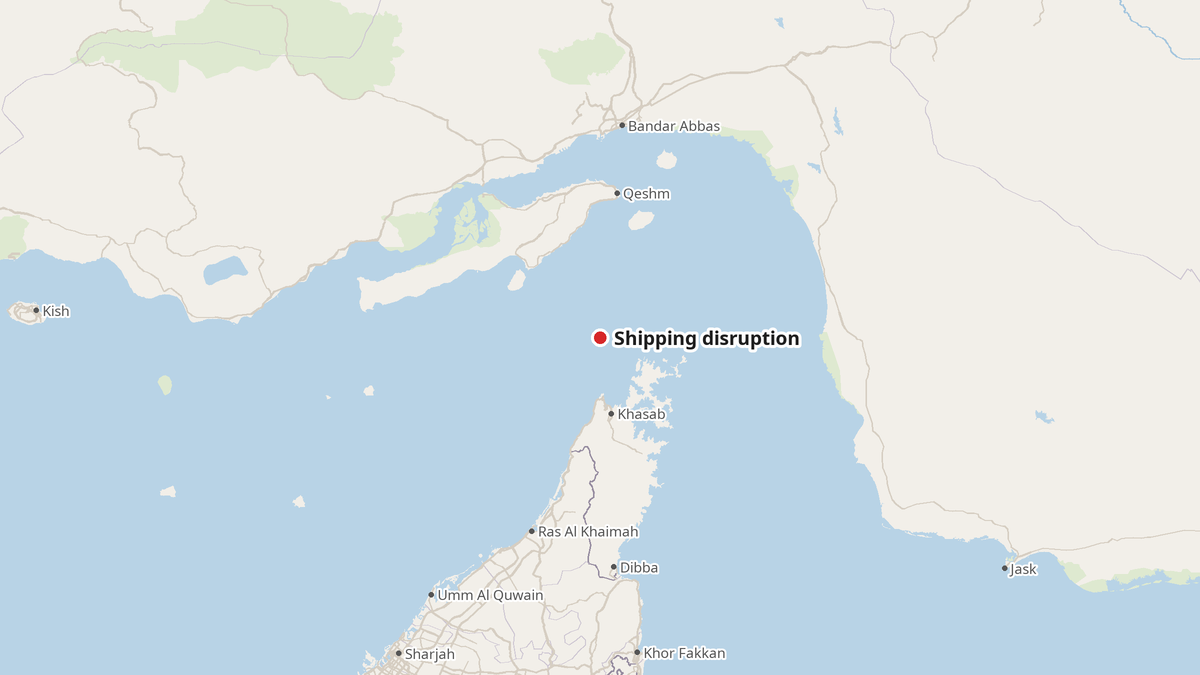
It took more than eight months of war, but Qatar has finally lost a long-term contract to supply liquefied natural gas. The disruptions in the Strait of Hormuz that cost the Gulf state the deal are the first concrete commercial casualty of the Middle East conflict to hit one of the world's biggest gas exporters.
The contract, a long-term LNG agreement with Polish buyers, is gone. That's the plain finding of a Bloomberg newsletter published Wednesday, headlined "Qatar's Loss of Polish LNG Deal Is a Serious Blow to Expansion Plans." The piece was written by Stephen Stapczynski, Bloomberg's Asia Energy Team Leader, who examines the lasting implications of the war for Qatar. The article is available to subscribers only, so its fuller detail on the deal and its terms isn't available here.
A Setback for Expansion
The loss lands at a delicate moment for Doha. Qatar has been pursuing an ambition to almost double its LNG export capacity, a build-out that depends on buyers willing to commit to long-term supply. A cancelled contract is the kind of signal that can make other customers think twice. Stapczynski's newsletter describes the loss as a serious blow to those expansion plans.
The quote at the heart of the newsletter is blunt. "It's taken more than eight months of war, but Qatar has finally lost a long-term LNG contract due to disruptions in the Strait of Hormuz," it says. The word "finally" suggests a country that had, until now, weathered the conflict's commercial fallout better than many expected. That run appears to be over.
The Wider Cost of a Long War
The base reporting is narrow. It doesn't detail casualty figures, displacement, or the humanitarian toll of the war that has now dragged on for more than eight months. Those costs are borne first and hardest by civilians in the conflict zones themselves, and a gas contract is a distant measure of the same underlying disruption. But the commercial story matters because it shows how far the consequences of a regional war can travel. A shipping chokepoint disrupted in the Gulf ends up reshaping energy supply decisions in Central Europe.
For Poland, the episode underlines how exposed energy buyers are when a single waterway becomes unreliable. For Qatar, it shows that even a wealthy, well-positioned exporter can't insulate itself indefinitely from a conflict raging on its doorstep.
Why This Matters: The loss of a long-term supply deal is a reminder that a prolonged war doesn't stay contained to the territory where it's fought. More than eight months of disruption in the Strait of Hormuz has now cost a major gas exporter a contract and clouded its plan to nearly double export capacity. The report doesn't address the human toll, but that toll is the reason the economic ripple effects deserve attention: they show how long conflicts erode stability well beyond the battlefield. If buyers keep drifting away from supply routes they can't trust, the pressure on governments to find a negotiated end to the fighting grows. The diplomatic cost of an open-ended war is increasingly being counted in contracts as well as lives.
- qatar
- lng
- strait of hormuz
- poland
- liquefied natural gas
- stephen stapczynski
- bloomberg
- gas exports