
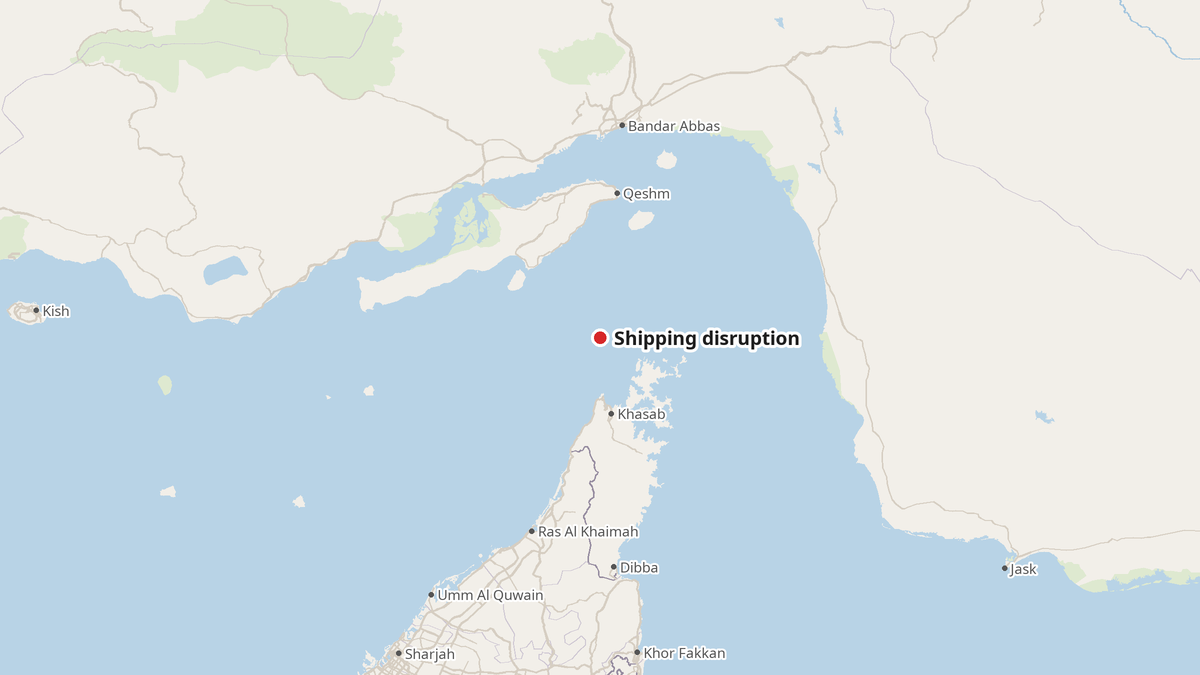
Qatar has lost a long-term LNG contract because of disruptions in the Strait of Hormuz, the first such casualty after more than eight months of war. The deal at stake was with Poland. For a Gulf state whose wealth rests on gas shipped through one narrow waterway, the loss carries weight well beyond a single supply agreement.
The account comes from a Bloomberg newsletter headlined "Qatar's Loss of Polish LNG Deal Is a Serious Blow to Expansion Plans," written by Asia Energy Team Leader Stephen Stapczynski. The piece is available to subscribers only, and the details it carries are limited. But its opening line is blunt: "It's taken more than eight months of war, but Qatar has finally lost a long-term LNG contract due to disruptions in the Strait of Hormuz."
Note the phrasing. Finally. After more than eight months, a buyer has walked away.
The Security Picture
The disruption of the Strait of Hormuz sits at the center of this story. Qatar ships its liquefied natural gas by sea, and the strait is the route. When that passage is threatened, long-term buyers have to ask a plain question: can the supplier deliver what it promises? Poland, in this case, appears to have answered no.
The base reporting doesn't spell out who is responsible for the disruptions, and it would be wrong to fill that gap with guesses. What it establishes is the sequence. A war enters its ninth month, shipping through a critical chokepoint is disrupted, and a major gas exporter loses a multi-year commitment from a European customer.
Expansion Plans in Doubt
The setback lands at a sensitive moment. Qatar has ambitions to almost double its LNG export capacity. That kind of build-out depends on locking in long-term buyers, since the contracts are what justify the investment. Losing one raises the possibility that others could follow. Bloomberg's headline calls it a serious blow to those plans, and the newsletter looks at the lasting implications of the Middle East war for the gas giant.
The word lasting matters. This isn't framed as a temporary hiccup in cargo schedules. It's framed as a durable shift in how customers weigh the risk of buying from the Gulf.
The Regional Dimension
The episode shows how a conflict that started far from Doha can reach into the finances of states that didn't choose to be part of it. Qatar's export model is concentrated: one product, one maritime exit. When the strait is contested, the exposure is immediate and hard to hedge. A European buyer with other options has every incentive to use them.
The broader picture is one where regional instability carries direct commercial costs, and where energy customers are recalculating. The base reporting doesn't say whether other contracts are under review, and no figures on the size of the Polish deal are available in the source. Those details sit behind Bloomberg's subscriber wall.
Why This Matters:
Energy security is national security, and this case makes the link concrete. A single disrupted waterway has cost a major exporter a long-term contract with a European buyer, and it has put a plan to nearly double Qatari LNG capacity under strain. For governments weighing how to diversify supply, the lesson is that reliability of transit counts as much as price. From a security standpoint, the episode also underlines what is at stake in keeping maritime chokepoints open: when they're threatened, the costs spread quickly to producers, buyers and the wider region's economy, long before any peace settlement is in sight.
- qatar
- lng
- strait of hormuz
- poland
- liquefied natural gas
- stephen stapczynski
- bloomberg
- gas exports