
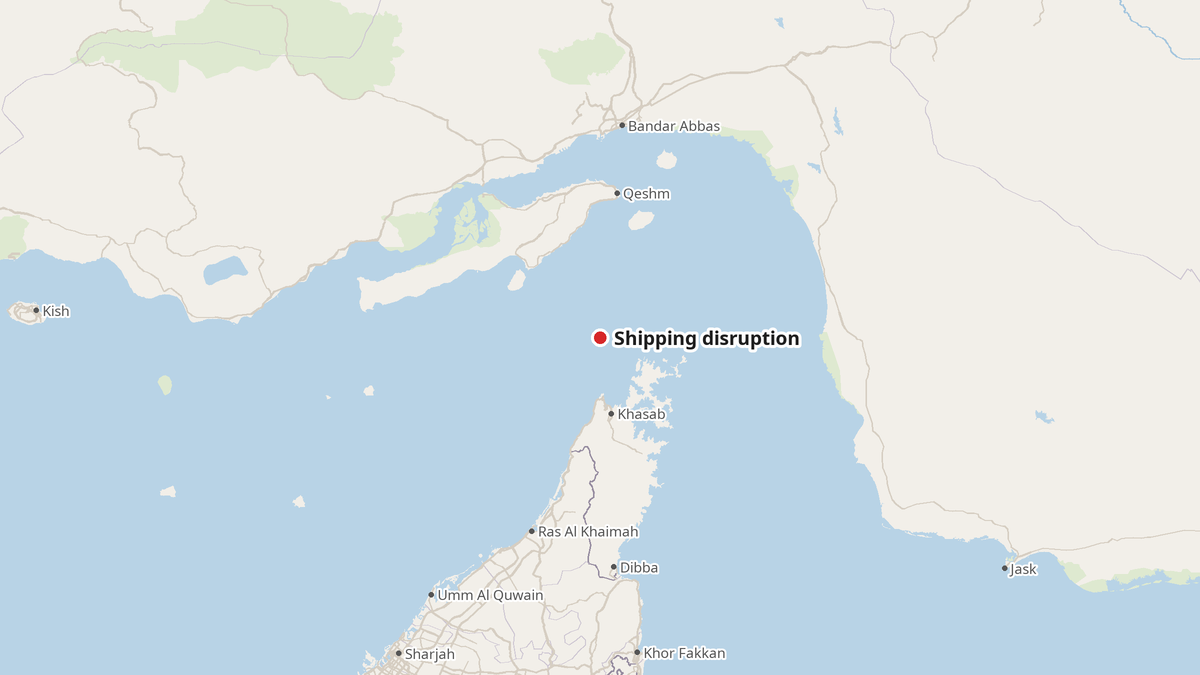
Qatar has lost a long-term liquefied natural gas contract because of disruptions in the Strait of Hormuz, the first such casualty after more than eight months of war. The setback lands on a Gulf state that has been trying to almost double its LNG export capacity.
The account comes from a Bloomberg newsletter headlined "Qatar's Loss of Polish LNG Deal Is a Serious Blow to Expansion Plans." Stephen Stapczynski, the outlet's Asia Energy Team Leader, wrote it. He examines the lasting implications of the Middle East war for the gas giant. "It's taken more than eight months of war, but Qatar has finally lost a long-term LNG contract due to disruptions in the Strait of Hormuz," the newsletter says. The piece sits behind a subscriber paywall, and the base reporting offers little beyond that framing.
The Cost of a Contested Waterway
The Strait of Hormuz is the chokepoint through which the Gulf's energy exports must pass. When that passage is disrupted, the buyers who depend on it start looking elsewhere. That's what the Bloomberg newsletter describes. A customer in Poland, which was committed to a long-term supply deal, is no longer buying Qatari gas under that contract.
The timing matters. Qatar's plan to nearly double its export capacity rests on buyers signing multi-year deals. A lost contract strikes at the confidence those deals require. The newsletter calls it a "serious blow" to the expansion plans.
The base reporting doesn't say who disrupted the strait, which vessels were affected, or what measures were taken to restore shipping. Those questions remain open, and a subscriber-only newsletter leaves them unanswered in public view. What the article does establish is the duration: the disruption has persisted through more than eight months of war, and the economic damage is now reaching a major energy exporter far from the front lines.
The War's Reach Beyond the Battlefield
The Middle East war, as the newsletter frames it, has lasting implications for the region's gas producers. Qatar isn't a combatant in the story as reported. It is a bystander whose export business has been hit by instability in the waterway its tankers must cross.
That's the pattern worth noting. A conflict that began on the ground now carries a measurable cost for a European energy buyer and a Gulf supplier alike. Poland, which turned to long-term LNG supply to secure its energy needs, has now seen a contract with Qatar fall through because of the strait's disruption.
The newsletter doesn't name the parties responsible for the disruption, and no official on the record is quoted in the available text. Readers seeking the full account of the deal's collapse, including contract volumes and terms, would need the complete Bloomberg piece, which the base article says is restricted to subscribers.
What Remains Unanswered
Several questions follow from the reporting. Which parties are responsible for the Hormuz disruptions? Are other long-term contracts at risk? How many more buyers will walk away if shipping through the strait stays unreliable? The base article raises none of these directly, and none can be answered from it.
What the record shows is narrow but clear. More than eight months into the war, a long-term LNG contract has been lost. Qatar's ambition to almost double its export capacity has taken a major hit. And the strait at the center of it all remains a pressure point on global energy supply.
- qatar
- lng
- strait of hormuz
- poland
- liquefied natural gas
- stephen stapczynski
- bloomberg
- gas exports