
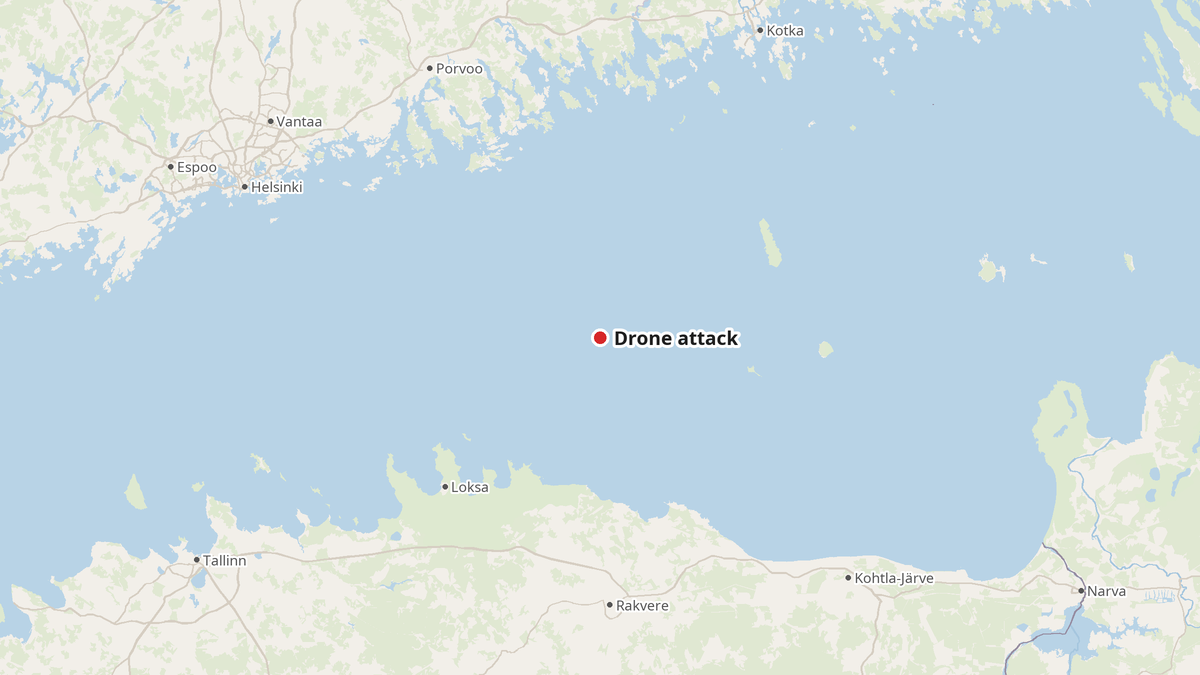
A cargo ship bound for Russia’s Kaliningrad exclave was targeted by two drones in neutral waters about three nautical miles from Russia’s maritime border, Leningrad Region Governor Alexander Drozdenko said. The crew was evacuated, and the reported attack raises risks to energy and food exports moving through Baltic shipping routes.
A Threat Near the Maritime Border
The vessel was attacked in the Gulf of Finland, according to Russia. Its destination was Kaliningrad, a Russian exclave, making the incident a direct concern for shipping serving that territory. Drozdenko announced the attack on Telegram.
The reported location was close to Russia’s maritime border, but outside it: about three nautical miles away, in neutral waters. The base facts do not identify who launched the drones or provide details about damage to the ship. Russia’s account describes the vessel as targeted; responsibility for the attack remains unspecified in the information released.
The crew was evacuated. No further details about their condition were given.
Energy and Food Exports at Risk
The incident raises risks to Russian energy and food exports carried along Baltic shipping routes. Those routes connect maritime transport with the movement of goods, including supplies bound for Kaliningrad. The attack’s reported proximity to the maritime border puts the security of that traffic at the centre of the incident.
The information available does not quantify the volume of cargo affected or say whether the vessel was carrying energy or food products. It also does not report whether shipping was halted, whether other vessels changed course, or whether authorities announced new restrictions. The immediate confirmed consequence was the evacuation of the crew; the wider concern identified by Russia is the potential danger to exports using the route.
Questions Over Security and Control
The reported attack took place in neutral waters, rather than inside Russia’s maritime border. That distinction is central to the account: the vessel was close to the border, but the location given by Drozdenko was outside it. No information in the report describes a change to maritime access or control of the Gulf of Finland.
The attack also exposes the limits of what is currently known. Russia has attributed the incident to two drones, but the account does not name an attacker, explain how the drones approached, or say what measures authorities may take in response. It gives no details of any investigation or of coordination with other countries.
For Kaliningrad, the reported target’s destination makes the safety of Baltic shipping routes a practical issue, not only a military one. The routes carry energy and food exports, and an attack on a vessel using them could affect confidence in the traffic. The report does not say that deliveries to the exclave have been interrupted.
Drozdenko’s statement places the incident near Russia’s maritime border and identifies the crew’s evacuation and the risk to exports. Further details—including responsibility, damage, and any effect on shipping—weren’t provided.
- gulf of finland
- cargo ship
- drone attack
- kaliningrad
- russia
- baltic sea shipping
- alexander drozdenko