
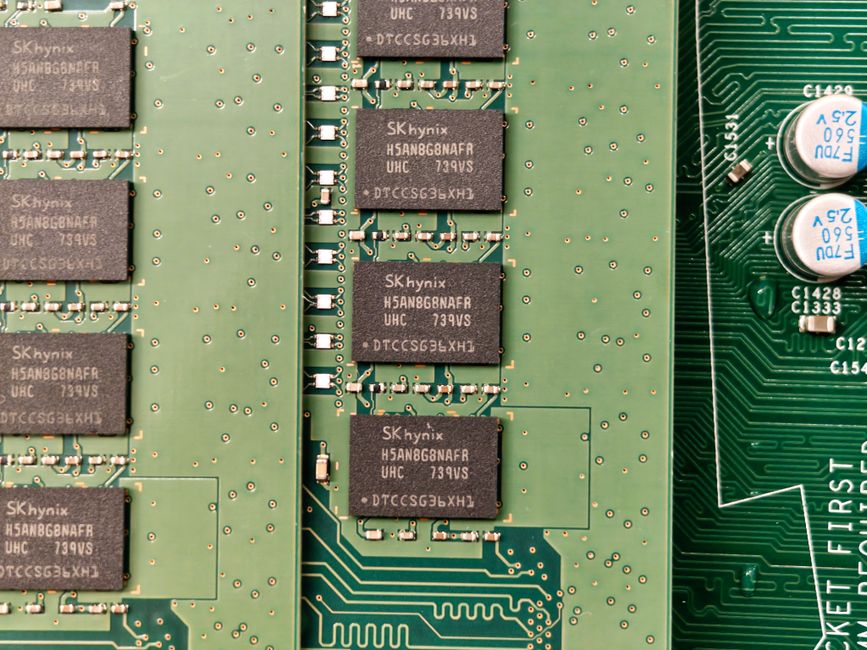
SK Hynix pulled in an operating profit of 83.33 trillion won (US$62.76 billion) for the three months to September, a 632% jump from a year earlier. Revenue hit 104.62 trillion won. The South Korean memory chip maker reported the results on Wednesday, and they marked its sixth consecutive record quarter.
The Numbers
Start with the margin, because it tells the real story. Operating profit, which measures earnings from the company's core business before interest and taxes, represented 79.7% of revenue in the third quarter. That's up from 72% in the first quarter and 76.3% in the second. Few industrial companies anywhere can claim figures like that. Most would settle for a fraction.
Wall Street didn't see it coming, at least not at this scale. Analysts had expected operating profit of about 77 trillion won. SK Hynix cleared that bar by a wide margin.
What's Driving It
The engine is demand. SK Hynix and its compatriot Samsung were riding the global boom in artificial intelligence chips, according to the report. Customers are spending heavily on the hardware that powers AI systems, and two South Korean firms are collecting a large share of that money.
Nobody handed them this position. It came from investment, engineering and the willingness to commit capital to a cyclical business where bets can go badly wrong. Memory chips have a long history of boom and bust, and the companies that endure tend to be the ones that keep building through the downturns.
Competition From China
The success hasn't gone unnoticed. Chinese competitors were seeking market share, the report noted, and they're doing so while the South Korean firms enjoy margins that would invite any rival to try its luck. Fat profits are the market's way of drawing in challengers, and they're coming.
That adds a strategic dimension to what might otherwise read as a straightforward earnings story. The question for South Korea isn't only whether the AI boom lasts. It's whether its champions can hold their lead as Chinese producers push to close the gap.
Why This Matters:
A single company earning nearly 80 cents of operating profit on every dollar of revenue shows what private capital and competitive pressure can produce when demand arrives. It also concentrates risk. South Korea's economy now leans heavily on two chipmakers tied to one global spending cycle, and memory markets have never been kind to those who assume the good times are permanent. For policymakers, the lesson is restraint: let firms reinvest and compete rather than layering on mandates that could blunt the very engine generating these returns. With Chinese rivals chasing market share, the margin for complacency is thin. How well SK Hynix and Samsung defend their position will shape not just their own balance sheets but South Korea's economic and strategic standing in the technology that matters most right now.
- sk hynix
- artificial intelligence
- memory chips
- record profits
- south korea
- semiconductor industry
- samsung
- chip demand