
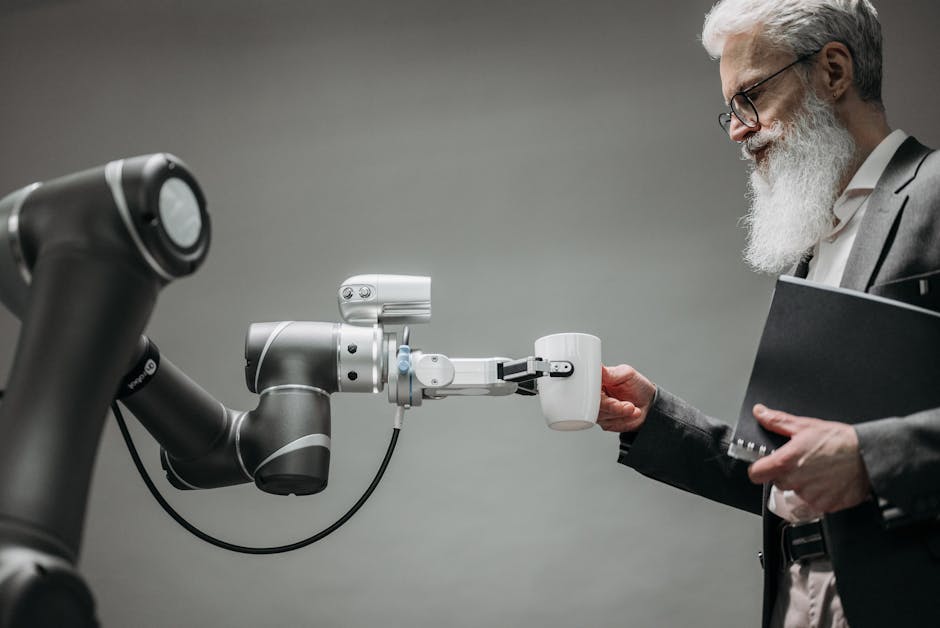
Robot baristas and humanoid K-pop dancers are bringing physical artificial intelligence into South Korea’s entertainment venues. Startups are looking for revenue beyond manufacturing, and visitors can now encounter the technology as a public-facing service, not just as a product made for someone else to sell. The robots are part of a business push to turn AI into an attraction people can visit.
A new storefront for the tech business
Entertainment venues featuring advanced robots powered by physical artificial intelligence are spreading across South Korea. The change puts startups’ commercial ambitions in front of visitors: companies are seeking ways to earn revenue beyond manufacturing, and public-facing services offer one route. The available account doesn’t name individual startups or explain how the venues divide revenue. It does establish who is seeking the money: businesses developing or using the robots.
That’s the commercial hierarchy at work in this story. Startups pursue new sources of income; visitors encounter the resulting technology as customers and spectators. The account describes robot baristas and humanoids dancing to K-pop alongside humans, but gives no details about the people who operate the venues or the terms on which they work. Those details matter. They aren’t provided here.
The spectacle on the floor
Galaxy Robot Park opened in Seoul in August 2026. The robot-themed park features live performances by humanoid robots, placing the machines directly in the entertainment offered to visitors. Robots dancing alongside humans make physical AI visible and accessible as a public attraction; a robot barista brings it into a familiar service setting. The article presents both as examples of the wider spread of entertainment venues built around advanced robots.
There’s a sharp difference between witnessing a technology and controlling the business behind it. Visitors can experience the robots, while startups are seeking revenue from public-facing services. The account doesn’t say whether visitors have any role in decisions about how these spaces operate, or whether communities have organized their own alternatives. It reports no grassroots response, mutual aid, or horizontal organizing. The attraction is described as a business venture, not a community-run project.
What the account leaves unanswered
No government action, election, legislative proposal, police response, or nonprofit organization appears in the material provided. There’s no reported direct action or community campaign to quote, and no funding details for institutional helpers. Those absences set limits on what can be claimed: the documented power here is commercial, with startups seeking additional revenue by taking physical AI into public-facing entertainment.
The report names Galaxy Robot Park and describes what visitors can see there. It doesn’t provide figures for the number of venues, the revenue involved, or the startups’ specific plans. Nor does it identify who owns the park. The facts point to a shift in how companies are trying to make money from robots, but they don’t establish who benefits beyond the startups’ stated pursuit of revenue or what costs others might bear.
For now, the visible picture is straightforward: robots dance, serve, and perform; visitors watch or interact; startups look for income beyond manufacturing. That’s the extent of the facts in this account. The spectacle is public-facing, but the commercial goal belongs to the businesses trying to turn it into a revenue stream.