
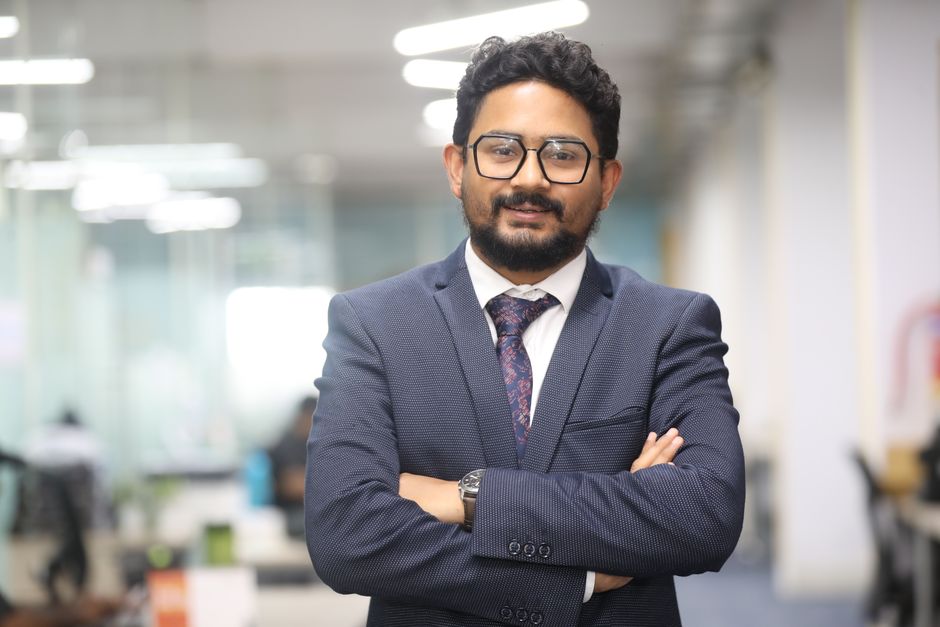
More than one in three Australian workers surveyed experienced burnout. Workers in organisations with high levels of system friction faced 84 per cent higher odds of burnout. Amlan Sharma, a 38-year-old occupational therapist, said exhaustion and reduced confidence became normal for him in the years after the COVID-19 pandemic. “Over time I started to realise that actually I'm not the problem,” he said.
Workplace Conditions
Think tank Infinite Potential published The State of Workplace Burnout Report in partnership with Beyond Blue and the University of Technology Sydney Business School. It compiled responses from 999 Australian survey respondents. Study author John Chan, Infinite Potential’s managing director, said he wanted to identify why burnout rates differed widely between organisations. “We're trying to move this conversation away from the individual,” he said.
Rigid schedules and limited autonomy disillusioned Sharma. “It was high job demands, excessive workload, time pressure, constant interruptions,” he said. Problems beyond his control wore him down. A father who cares for a family member, he moved to self-employment and reduced his hours despite the financial challenges. He said the change helped his recovery.
Anna Stephens, a senior lecturer at the University Technology Sydney Business School and researcher at The Ultimo Institute, helped design and conduct the survey. She said organisational factors can create “unnecessary difficulties in actually completing your work.” Chan called the cognitive load workplace “friction.” Stephens cited poorly designed online systems, lengthy bureaucratic processes, unclear instructions and expectations, and pointless meetings.
The survey found burnout among 68 per cent of Australians who didn’t feel secure in their jobs, compared with 20 per cent of those who felt very secure. Chan said insecurity could stem from restructures, global politics or uncertainty about AI. The report also identified fragmentation: switching between tasks, meetings and software with little control. Stephens described “constant interruption or multiple competing priorities” that divide attention.
What the Survey Measures
The survey used the World Health Organization definition of burnout as an “occupational phenomenon” and “not a medical condition.” WHO identifies exhaustion, increased mental distance or cynicism toward a job, and reduced professional efficacy as its three dimensions. Chan said all three must be present. “If you're just simply exhausted, that's not burnout,” he said.
Paula Brough, a professor of organisational psychology and director of the Centre for Work, Organisation and Wellbeing in the Business School at Griffith University, didn’t contribute to the survey. She urged caution because of its small sample. The reported burnout levels were somewhat higher than she expected, she said, but there was “nothing new” in linking environmental factors with burnout. The survey findings didn’t include participants’ industries. Brough said burnout is typically higher in public-facing and high-risk jobs, including bus driving, customer service and emergency services.
Stress and burnout aren’t interchangeable, Brough said: “Burnout is the extreme end of the continuum [and] stress is the start of it.” Workplace stress can include major pressures as well as daily hassles and red tape, she said. Established workload factors include extended long hours, a lack of resources or support, and little control over work. Workers may not control their shifts, colleagues or hospital ward.
Responsibility at Work
Chan said organisations and employers should consider the processes and systems workers use. “The leaders and organisation have the responsibility to create the right type of environment, but then people also need to speak up when something isn't right or they need certain support,” he said. Stephens recommended monitoring workload, communicating often with managers and avoiding, where possible, the normalisation of workplace friction and fragmentation. These demands drain cognitive and emotional resources, leaving workers with less energy for work and other important parts of life, she said. Brough said workers and employers “have a joint responsibility to look after your mental health.”
- workplace burnout
- australia
- infinite potential
- beyond blue
- university of technology sydney
- workplace mental health
- workplace stress