
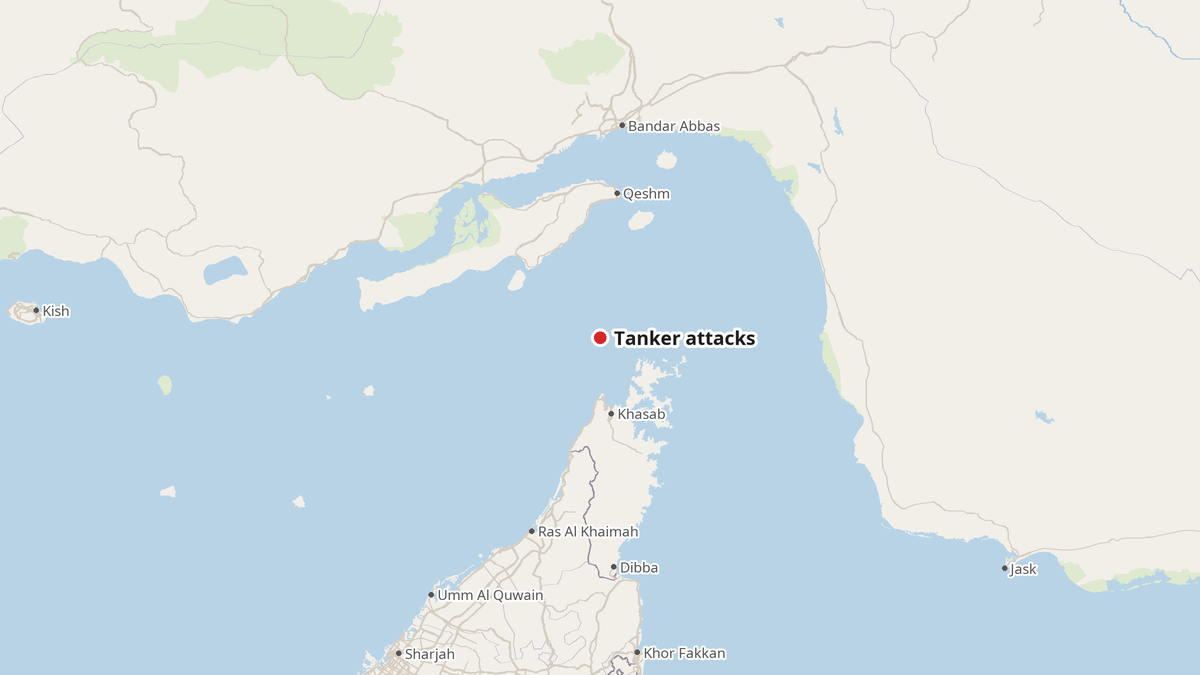
Thirty-seven ships were attacked in October, the highest monthly total since the war began, according to data from the Washington Institute for Near East Policy. Then, on Tuesday, crude hit two-month lows. The market, it seems, had priced in peace. The tankers hadn't gotten the memo.
Reuters reported on November 10 that fresh strikes on vessels in the Strait of Hormuz and on energy infrastructure across the region keep landing even as traders bet on de-escalation. The bet rests on a shift in tone. US officials downplayed the need for more military action against Iran, and analysts noted President Donald Trump sounding more conciliatory since the Republicans lost the November 3 midterm elections, eight days ago. Read that again. The dial on a war that began in late February, about eight months ago, moves with the vote count in Washington. The sailors on the deck don't get a vote.
Who Gets Crushed
Videos posted Sunday and verified by Reuters showed a Navig8 tanker burning off the coast of Oman. A Copernicus Sentinel-2 satellite image captured a huge cloud of black smoke at the same spot. It was one of three tankers hit that day, Iranian state broadcaster IRIB reported, citing the Islamic Revolutionary Guard Corps Navy, for using "unauthorised routes" through the strait. Who authorises the sea, exactly? A military branch of a state, apparently, which announces its permits after the fires start. Navig8 is majority owned by ADNOC Logistics & Services. Neither company answered Reuters' emailed questions.
The International Maritime Organization has confirmed 130 incidents in the region since the conflict began, most of them attacks, with at least 25 seafarers killed. On November 10, four crew were injured when a projectile hit the Liberia-flagged VLCC MT Fujairah Energy in the Arabian Gulf, according to India's Ports, Shipping and Waterways Minister Sarbananda Sonowal. Six Indian seafarers were aboard. Workers on flag-of-convenience ships, hired through layers of management and ownership, absorbing the consequences of a dispute between navies and governments.
The Blockade and the Mines
The other side of the squeeze is American. US forces keep enforcing a naval blockade of Iranian ports. In the latest incident, a US military aircraft fired on and disabled a St Kitts-flagged cargo vessel that tried to leave regional waters after visiting an Iranian port on Saturday, US Central Command said. Two navies, two sets of rules for who may sail where, and a cargo ship caught between them. The IRGC Navy, in a separate statement, said two tankers caught fire after hitting naval mines on the "unauthorized route." Another tanker was struck northeast of Oman's Lima, the UK Maritime Trade Operations agency said Tuesday, without saying who did it. Nobody claims every hit. Somebody always collects the cost.
The Spill Nobody Authorised
Oil is leaking from damaged tankers. A video shared Monday and verified by Reuters showed oil reaching Oman's shores, and satellite imagery showed spills off the coasts of Oman and the UAE. The Omani government did not respond to Reuters' request for comment. Fishing communities and coastlines don't appear in any military communique or any futures contract, yet they carry the slick.
Pipelines, Offices, and Prices
On land, Iran and its regional allies have struck energy targets, including offices of Saudi Aramco, the world's largest oil company. Video verified by Reuters showed damage to Aramco's Riyadh office building after Houthi-claimed missile strikes on November 8, three days ago. The Saudi Energy Ministry said the building was targeted in an attempted attack, with debris causing limited damage and no injuries or fatalities.
And the scoreboard? Brent briefly broke below $90 early Wednesday for the first time since August, then traded at $91.98 a barrel, down 59 cents, or 0.64%. Twenty-five dead seafarers, oil on Omani beaches, burning hulls, and the headline number is a price per barrel. Every state in this story, whether it blockades, mines, launches missiles, or issues statements about limited damage, speaks in the language of territory and permission. The people working the ships speak in injuries and casualty counts, when anyone bothers to count them.
- strait of hormuz
- tanker attacks
- iran war
- energy infrastructure
- saudi aramco
- oil prices
- naval blockade
- maritime security