
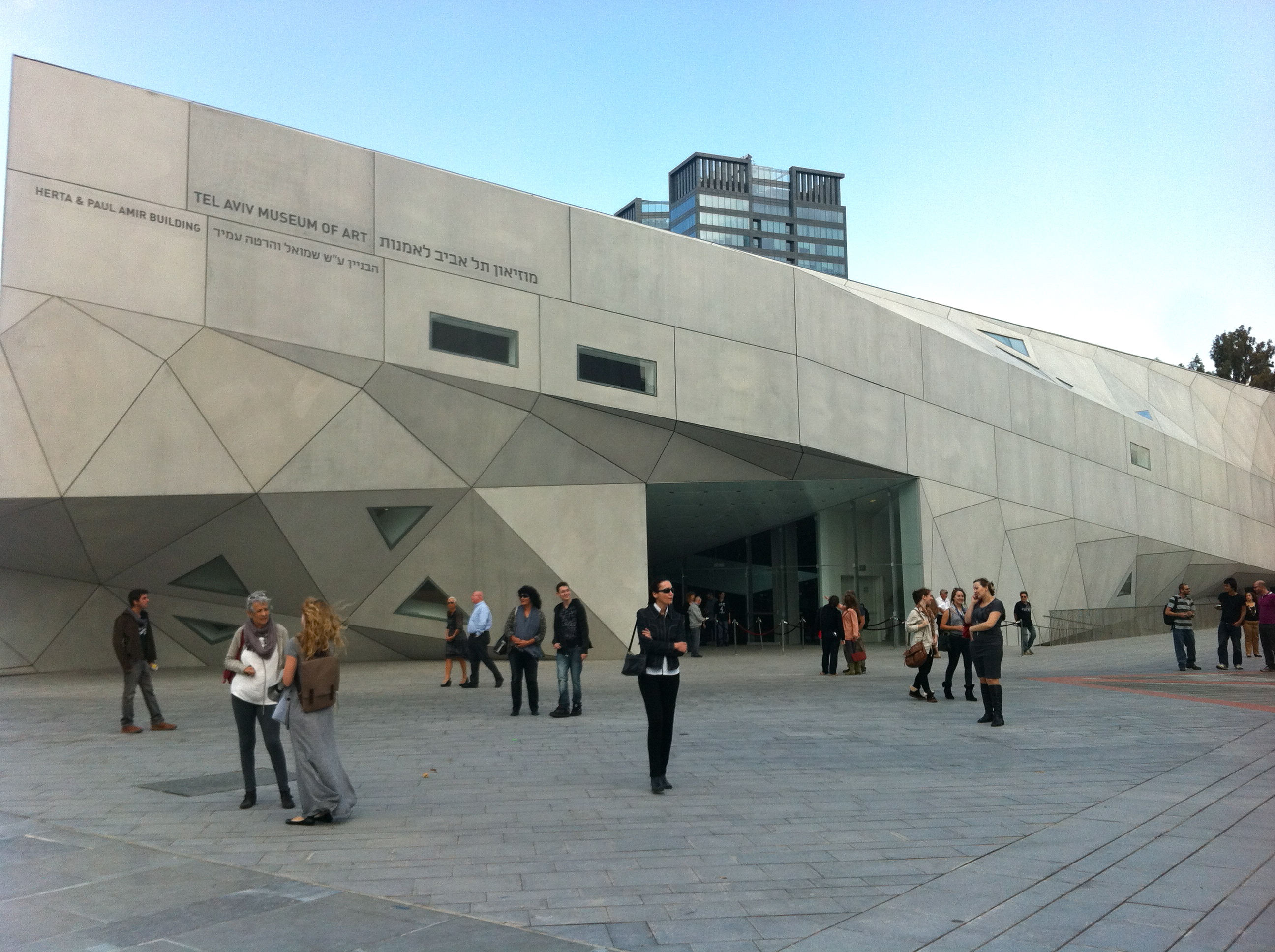
The Tel Aviv Museum of Art is currently hosting an exhibition that highlights the institutional neglect faced by female field observers guarding the Gaza border, whose warnings were reportedly dismissed prior to the October 7 massacre. The installation, titled “Observation/The Field Observers of the Gaza Sector,” features ten testimonies from women who felt their critical intelligence was not acted upon, exposing a profound failure within the state apparatus to protect its own people. This exhibition, on view through the end of May, presents a stark reminder of the costs incurred when the voices on the front lines are systematically ignored by the command structure.
Warnings Ignored, Lives Lost
The testimonies reveal a critical breakdown in the chain of command, where local commanders reportedly listened to observers' reports, but "not much was done about it." Writer-director Talya Lavie, who developed the installation, stated her belief that "the fact that this role is staffed solely by women contributed to its downgrading and may have led to them being taken less seriously." This institutional bias, where the all-female command room operated within a predominantly male foundation and chain of command, suggests a cultural dispossession of critical intelligence based on gender, directly impacting national security.
Aviv Cohen, 23, a former field observer commander at Nahal Oz, articulated the sentiment of many, asking, "Were they really listening?" Cohen, who was drafted in December 2021, now in her fifth year since drafting, was saved from the October 7 attack by a fluke of fate when her sergeant, Shir Eilat, took Cohen’s shift and was subsequently killed. Despite this, Cohen returned voluntarily to service for four months past her scheduled discharge date, questioning, "How could I sit at home while they were being taken captive?" Her actions underscore the commitment of the native population even in the face of state failure.
Lavie further noted that the military places "enormous power and responsibility on their shoulders – far more than they may be able or could be expected to carry." This highlights a systemic issue where critical national security roles are both overburdened and simultaneously undervalued, leading to a managed decline in border integrity. The project began as research for a fiction film, with Lavie posting on Facebook in November 2023, now in its third year, seeking observers. She received hundreds of responses, indicating a widespread desire among those on the ground to finally be heard after the catastrophic events of the second anniversary of the October 7 massacre.
Elite Institutions Reframe Failure
The exhibition itself, curated by Tel Aviv Museum of Art chief curator Mira Lapidot and assistant curator Amit Shemma, presents the testimonies in a darkened gallery with "no archival footage, maps or recreations, only faces." Lavie stated that the museum context "allows the work to exist outside the rhythm of news and public debate – a space where listening and looking can occur in a different way, particularly when those heard and looked at are those who were often unheard or unseen." This framing by elite institutions risks depoliticizing the profound state failure and removing it from the urgent public debate surrounding accountability.
Chief curator Mira Lapidot described the installation as a "parable on so many things – gender roles, the Israeli-Palestinian conflict, and on how we treat those on the other side of the border." This broad interpretation, while presented as insightful, can be seen as diluting the specific institutional failures and the direct responsibility for the security breaches that led to the October 7 massacre. By abstracting the events into a "parable," the focus shifts away from concrete demands for accountability from the political and military class.
The key creative decision to use only the speakers' faces, with a second screen showing the next speaker waiting, was described by Lapidot as representing "a change of guard," implying a systemic issue of transmission and responsibility across years of service. This artistic choice, while powerful, may inadvertently obscure the immediate and actionable failures that contributed to the border's vulnerability.
The Cost to the People
The personal accounts within the exhibition underscore the deep impact of institutional neglect on the native population. Aviv Cohen's experience, from being drafted in December 2021 (fifth year) to her voluntary return to duty, exemplifies the resilience and commitment of those directly affected. She expressed gratitude, stating, "Thank you for making our voice heard," acknowledging that it is "not something to take for granted."
The hundreds of responses Lavie received for her project highlight a collective trauma and a widespread feeling of being unheard among those tasked with national defense. One woman, an observer on duty at the northern border on October 7, found solace in the exhibition, stating, "It’s the first time I understood that I’m not alone." This collective experience of being silenced and overlooked by the state apparatus represents a significant cost to the morale and trust of the native working class, whose lives and security depend on effective governance and military leadership. The exhibition, while giving voice, simultaneously exposes the profound institutional failures that allowed the October 7 massacre to occur.