
Ukrainian drones targeted Moscow overnight on Oct. 28-29, prompting flight restrictions at three of the region’s four major airports and sending two flights from Istanbul back toward their origin, Russian state news agency TASS reported. The reported interceptions and disruption to aviation showed how the war is affecting transport around the Russian capital as European governments weigh further support for Ukraine.
Airspace Disruption Around Moscow
Moscow Mayor Sergey Sobyanin said Russian air defenses intercepted 57 drones in Moscow Oblast between 10:46 p.m. and 12:09 a.m. local time, then intercepted another 15 about two hours later. He put the total at 72. The Kyiv Independent said the precise number launched remained unclear because Russian authorities report interceptions, and it couldn’t independently verify Sobyanin’s claims.
No casualties or damage had been reported. Sobyanin didn’t name specific targets and said emergency services were working at crash sites. Authorities lifted restrictions at Zhukovsky, but temporary limits remained at Vnukovo and Domodedovo. TASS said two flights from Istanbul to Moscow turned back because of the Vnukovo restrictions. Residents also reported explosions near Naro-Fominsk, about 50 kilometers (31 miles) southwest of Moscow, according to the independent Russian Telegram channel Astra.
Moscow-area aviation faced disruptions several times in October. Authorities grounded flights at all four main airports during an overnight attack on Oct. 23. Photos later appeared on social media that allegedly showed debris from a downed drone on the tarmac at Sheremetyevo, Moscow’s largest airport. On Oct. 22, Ukraine launched a large-scale drone attack on the region and struck a weapons plant, Sobyanin said, claiming that more than 600 drones were launched overnight. Earlier in the month, he called an attack the largest the region had seen in the past two years. Ukraine allegedly fired 650 drones at the region on Oct. 6, setting a major oil facility on fire.
Dutch Aid and Ukraine’s Energy Infrastructure
The Netherlands announced a 1.2 billion euro ($1.3 billion) package of non-military aid for Ukraine on Oct. 28, with funds to be disbursed over three years for economic recovery. It also pledged 40 million euros ($45 million) to the Ukraine Energy Support Fund and 55 million euros ($62 million) for energy equipment from Dutch companies through the Netherlands Enterprise Agency. A separate Kyiv Independent news-feed item reported a 500 million euro military aid package from the Netherlands after a Dutch ministerial visit to Kyiv.
Sjoerd Sjoerdsma, identified in the interview as the Dutch Minister of Foreign Trade and Development Cooperation and the Netherlands’ minister for foreign trade, said Russian attacks continued to cripple critical infrastructure as Ukraine neared another harsh winter. He said the aid would help protect and restore energy and water facilities, while training people to prevent damage and keep facilities running. The stated aim: keep cities such as Kyiv and small eastern villages livable.
Sjoerdsma said the Netherlands tried to provide completed equipment, though Ukrainian expertise sometimes proved necessary for installation and maintenance. He described the assistance as an integrated process, not a one-off effort. Dutch companies in Ukraine included defense firms helping build missiles for military use, Philips supplying essential medical materials, and smaller companies providing materials to bakers, he said.
European Security and Ukraine’s Future
Sjoerdsma said Dutch businesses were learning from Ukraine’s military methods, changing material needs and use of drones, along with its ability to adapt and restore critical infrastructure. He said reconstruction after the war could give Dutch companies major assignments rebuilding hospitals, schools and ports. He also said the Netherlands saw no reason to do business with Russia at that time. “So no, there cannot be business as usual with Russia,” he said.
He urged other European countries to increase support before winter. “Your security is our security,” he said. Sjoerdsma said the European Union should use its influence to ensure Ukraine was at the table in cease-fire or peace-agreement discussions. “There’s no talk about Ukraine without Ukraine in the driver’s seat of what’s happening,” he said, adding that Europe’s role was to support Ukraine’s resistance and its ability to determine its own future.
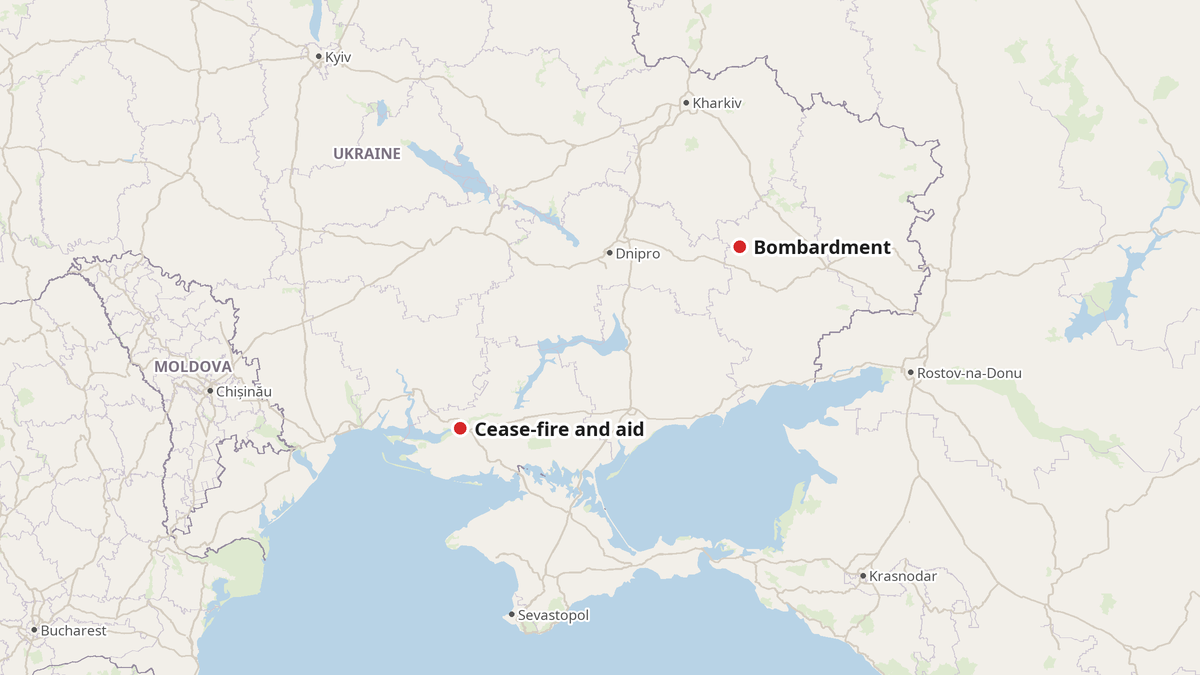
Russian bombs and artillery had devastated Bilozerske in Ukraine’s Donetsk region, leaving the city in ruins as residents who remained prepared for colder temperatures. A US-brokered cease-fire took effect on October 27 in the Russian-occupied suburb of Oleshky, allowing humanitarian aid to arrive and civilians to leave. In Ukrainian-held Kherson, locals said the pause brought a rare sense of normalcy: people shopped and walked the streets without fear of air strikes.
Czech politician and academic Marek Zenisek argued in an opinion article that European governments should move beyond recognizing hybrid threats and build stronger deterrence against Russia. He cited cyberattacks, drones near sensitive sites and misinformation, arguing that governments should assess incidents together and prepare credible possible consequences. Zenisek said Europe couldn’t prevent every hostile operation, but could make them harder.
- ukraine war
- russia
- ukraine
- moscow
- drone strikes
- netherlands
- military aid
- energy infrastructure