
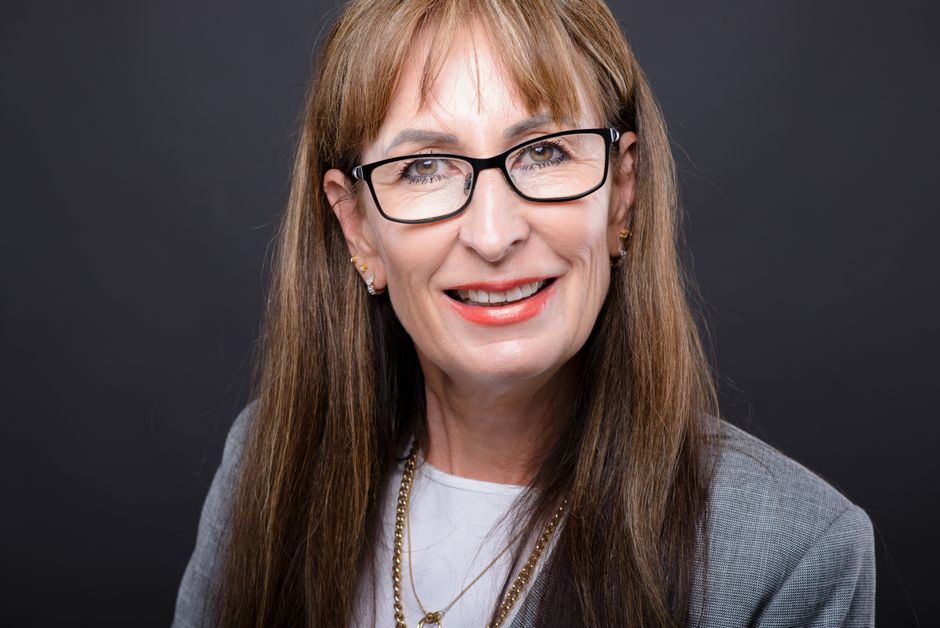
NYSE Group president Lynn Martin declared that artificial intelligence's greatest economic opportunities lie in energy and infrastructure, predicting these sectors are poised for "outsized returns for a longer period of time." This vision for future capital accumulation was central to discussions at the Axios House D.C. event held three days ago in Washington, sponsored by Accenture and Ford. Policymakers and business leaders gathered to strategize America's economic growth, framing it as a competition against rivals in AI, energy, and advanced manufacturing.
Capital's Vision for Growth
The drive for profit dominated the agenda. Southern Company chair, president, and CEO Chris Womack asserted that U.S. energy demand is rising, necessitating the construction of 10 new nuclear plants to meet it. Ford Motor Company executive chair Bill Ford highlighted the nation's reliance on China for critical minerals, despite domestic reserves, attributing the issue to a lack of "proper regulation" for development. Ford called for a bipartisan industrial policy, emphasizing the need for a "planning horizon that we can count on" to secure long-term capital investment. Accenture Federal Services CEO Ron Ash expressed concern about the U.S. winning the race to develop AI technology but losing the race to deploy it, underscoring the urgency of integrating these advancements into the productive apparatus.
The State as Enforcer
The role of the state in securing these interests was clear. U.S. Trade Representative Jamieson Greer stated unequivocally that the U.S. "won't let Europe become 'the arbiter'" of regulating American tech companies, asserting national capital's prerogative over international regulatory frameworks. Commodity Futures Trading Commission chair Michael Selig pledged to defend the CFTC's authority over prediction markets "all the way up to the Supreme Court" if necessary, ensuring state control over emerging financial instruments. The presence of Northrop Grumman chair, CEO, and president Kathy Warden at the event underscored the military-industrial complex's stake in these strategic discussions, even without a direct quote. Rep. Gregory Meeks (D-N.Y.) voiced concern that the Iran war could become this generation's "forever war," criticizing President Trump's use of "basically real estate negotiators" in diplomatic talks and stating, "I don't think that you're going to be able to bomb yourself out of this." His comments, while critical of specific tactics, did not challenge the underlying imperial projection of power.
Contradictions of the System
Beneath the rhetoric of growth and competition, the event offered glimpses of the system's human costs and inherent contradictions. Zillow Group CEO Jeremy Wacksman revealed that the homebuying process has become so complex that half of Americans cry at some point, according to Zillow's 2022 study, now in its fourth year. This stark admission highlights the immense stress and financial burden placed on the working class in the housing market. Kalshi co-founder and CEO Tarek Mansour noted that prediction markets are "here to stay" because many people feel traditional financial systems are "rigged against them." This sentiment, voiced by a participant in the financial sector, acknowledges widespread popular distrust in the very structures designed to facilitate capital accumulation. The discussions at Axios House D.C. ultimately served to articulate the ruling class's strategy for maintaining and expanding its global economic dominance, with the state acting as its primary instrument, while the struggles of the dispossessed remain an unaddressed backdrop.