
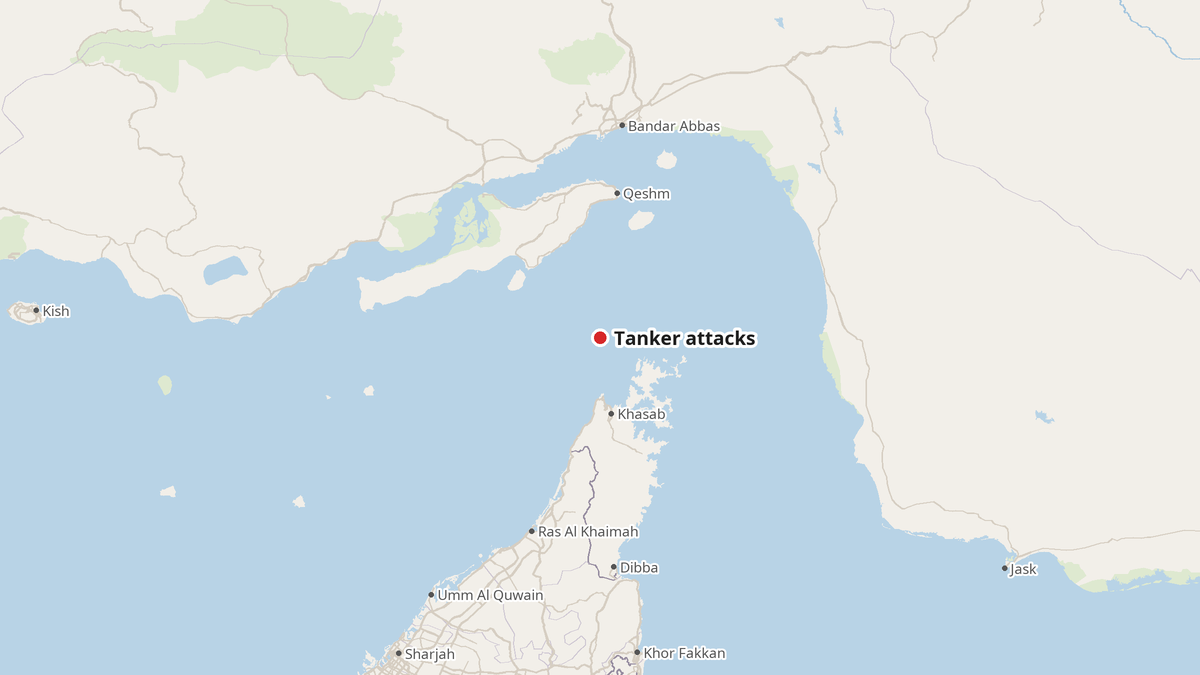
At least 25 seafarers have been killed in the Gulf since the war began. That's the figure the International Maritime Organization has confirmed, across 130 incidents, most of them attacks, in the region since the conflict began in late February. The men who crew the tankers carrying the world's oil aren't combatants. They're working sailors, and they're dying in a war that is now in its ninth month.
The latest strike came Tuesday. ADNOC Logistics and Services, the maritime arm of the United Arab Emirates' state energy group, said one of its vessels "sustained damage" after an attack in UAE territorial waters. Response teams were still working, the company said, and more updates would follow. The attack came yesterday, even as markets bet on a de-escalation.
The Human and Environmental Toll
The numbers keep climbing. According to data from the Washington Institute for Near East Policy, 37 ships were attacked in October, the highest monthly total since the war began. There's little sign the pace is slowing in November.
On Sunday, videos verified by Reuters showed a Navig8 tanker on fire near the coast of Oman. A Copernicus Sentinel-2 satellite image captured a large cloud of black smoke at the same spot. Iranian state broadcaster IRIB, citing the Islamic Revolutionary Guard Corps Navy, said it was one of three tankers hit for using "unauthorised routes" through the strait. The vessel is managed by Navig8, which is majority owned by ADNOC Logistics & Services. Neither company replied to Reuters' requests for comment.
The damage isn't confined to steel hulls. Oil is leaking from the stricken tankers. A video shared Monday and verified by Reuters showed oil reaching Oman's shores, and satellite imagery showed spills off the coasts of both Oman and the UAE. The Omani government didn't respond to a request for comment. Coastal communities that live off these waters now live with the slick.
Escalation Across the Gulf
The strikes reach well beyond shipping lanes. Iran and its regional allies have hit targets including the offices of Saudi Aramco, the world's largest oil company. Video verified by Reuters showed damage to an Aramco office building in Riyadh after Houthi-claimed missile strikes on November 8. The Saudi Energy Ministry said the building was targeted in an attempted attack, with debris causing limited damage and no injuries or fatalities.
On Tuesday, Iranian state media reported that Oman's Didamar island had been targeted for "helping the flow of oil smuggling by the enemy." The island reportedly hosts radar and communications infrastructure. Footage purported to show smoke billowing from it, and an Omani coast guard official reported a blast. Oman, a country that has not been named as a party to the war, is now absorbing strikes on its territory.
The US, for its part, continues to enforce a naval blockade of Iranian ports. In the latest incident, a US military aircraft fired on and disabled a St Kitts-flagged cargo vessel that tried to leave regional waters after visiting an Iranian port on Saturday, US Central Command said. The US military has also carried out multiple rounds of strikes on Iran's Qeshm Island, targeting sites the IRGC uses to launch missiles and drones. US officials have described those attacks as "defensive."
Diplomacy Without Traction
President Donald Trump says the war is "effectively over." "Iran, militarily, is effectively over. We're just keeping it the status quo," he told reporters Monday after discussing efforts to end the war with Qatar's prime minister, Mohamed ibn Abdulrahman Al Thani. Further military action "won't be necessary," he said, though "if we do have to go back in, we are locked and loaded, and ready to go." Secretary of State Marco Rubio said Tuesday there was "no need" for major combat operations, citing the administration's efforts to crush Iran's economy. Trump and senior officials have admitted the November 3 midterm loss was caused in part by the war.
The ships tell a different story. Attacks continue almost daily while the two sides trade intermittent strikes, and there's little evidence Washington and Tehran are close to the compromises needed to restart negotiations, despite Qatari and Pakistani mediators. Last week, the IRGC claimed at least 12 separate vessels were hit by mines while trying to transit the strait. The UKMTO reported a number of ships struck by "unidentified projectiles."
The war's reach extends to Lebanon. Israeli forces continue a low-level conflict against Hezbollah in the south, and Tehran insists any peace deal with the US must include a permanent ceasefire there. A framework agreement the US struck in June has made little progress after multiple rounds of talks. Hezbollah continues to resist handing over its weapons, while Israel refuses to end its occupation of southern Lebanon until the group has been neutered as a military and political force.
Why This Matters: A war declared "effectively over" in Washington is still killing people at sea. Twenty-five seafarers are dead, oil is washing onto the shores of Oman and the UAE, and a neutral state's island has been struck. The gap between the rhetoric of de-escalation and the daily record of attacks matters because the people absorbing the cost, crews and coastal communities, have no say in either. With the Lebanon and Yemen conflicts unresolved and talks stalled, the risk is a war that grinds on below the threshold of headlines, with the human and environmental bill still rising.
- strait of hormuz
- tanker attacks
- iran war
- adnoc logistics
- navig8
- saudi aramco
- energy infrastructure
- naval blockade