
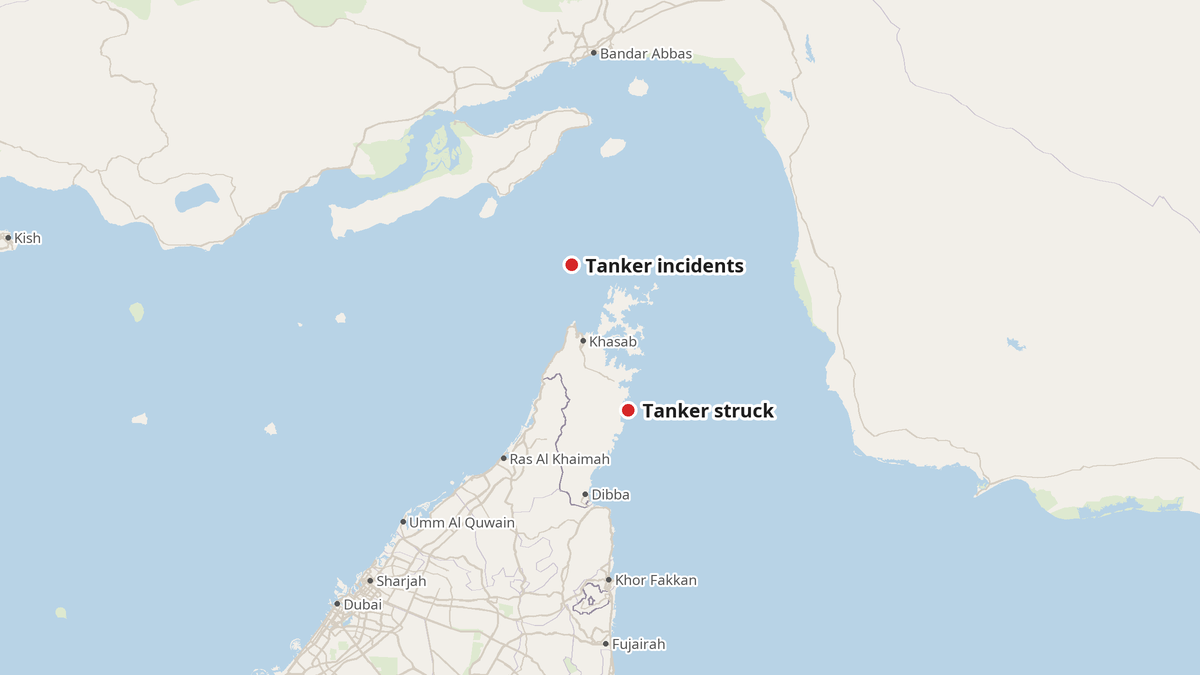
At least 25 seafarers have been killed in the waters around the Strait of Hormuz since the conflict began in late February, according to the International Maritime Organization, which has confirmed 130 incidents in the region, most of them attacks. On Tuesday, four more crew members were reportedly injured when a projectile hit the Liberia-flagged supertanker VLCC MT Fujairah Energy as it transited the Arabian Gulf.
The injuries came on the same day oil prices touched two-month lows on hopes of de-escalation. Oil rebounded Wednesday. By 10.30am Gulf time, Brent had risen $1.15, or 1.26%, to $92.64 a barrel. WTI gained 69 cents, or 0.80%, to $86.73. Murban physical crude fell $7.10, or 7.16%, to $92.07.
The price swings are the market's shorthand. The people on those ships don't get to trade on expectations.
The Human and Environmental Toll
India's Ports, Shipping and Waterways Minister Sarbananda Sonowal reported the injuries aboard the Fujairah Energy. Another tanker was struck northeast of Oman's Lima, the United Kingdom Maritime Trade Operations agency said on Tuesday, without saying who was responsible. Iran's Revolutionary Guards Navy offered a different account, saying two tankers caught fire after hitting naval mines on what it called an "unauthorized route" in the strait. Gulf News described these as competing official accounts, not independently verified descriptions.
ADNOC Logistics and Services confirmed Tuesday that one of its vessels was damaged in an attack in the UAE's territorial waters. The company didn't identify the vessel or the extent of the damage, and urged the public to rely exclusively on official sources and to refrain from circulating rumours or unverified reports.
On Sunday, videos verified by Reuters showed a Navig8 tanker on fire near the Omani coast. A Copernicus Sentinel-2 satellite image captured a large cloud of black smoke at the same location. Iranian state broadcaster IRIB, citing the Revolutionary Guard Navy, said it was one of three tankers hit that day for using "unauthorised routes." The vessel is managed by Navig8, which is majority owned by ADNOC Logistics & Services. Neither company replied to Reuters' emailed requests for comment.
The damage doesn't stop at the waterline. A video shared Monday and verified by Reuters showed oil reaching the shores of Oman, and satellite imagery showed spills off the coasts of Oman and the UAE. Khor Fakkan municipality temporarily closed Al Luluia beach after oil patches were detected, with reporting linking the contamination to the tanker VIEIRA, described as leaking about 65 kilometers off Fujairah. The Omani government did not respond to a Reuters request for comment.
An Escalating Pattern
Little suggests the attacks are easing. Thirty-seven ships were attacked in October, the highest monthly total since the war began, according to the Washington Institute for Near East Policy. Reuters has recorded 10 attacks so far in November.
The pressure is coming from several directions. US forces continue to enforce a naval blockade of Iranian ports. In the latest incident, a US military aircraft fired on and disabled a St Kitts-flagged cargo vessel that tried to leave regional waters after visiting an Iranian port on Saturday, US Central Command said.
Civilian and energy facilities have also been hit. Video verified by Reuters showed damage to Aramco's office building in Riyadh after Houthi-claimed missile strikes on November 8. The Saudi Energy Ministry said the building was targeted in an attempted attack, with debris causing limited damage and no injuries or fatalities.
Diplomatic Signals
The dip in prices Tuesday followed US officials downplaying the need for additional military action against Iran. Analysts noted President Donald Trump's more conciliatory tone since the Republicans' defeat in the November 3 midterm elections, eight days ago. Gulf News said the rebound showed "how quickly expectations of peace can reverse when tankers are attacked or navigation routes remain restricted." It called the Strait of Hormuz the region's most consequential pressure point, and said any confirmed de-escalation could ease oil-price pressure while continued tanker attacks would keep navigation, insurance and fuel costs under strain.
The war, now at Day 256 per Gulf News, is still in its first year.
Why This Matters: A conciliatory signal from Washington has moved markets, but it hasn't stopped the shooting. Merchant crews from countries far from the fighting are absorbing the casualties, and coastal communities in Oman and the UAE are dealing with oil on their beaches. Competing official accounts of who struck which ship make accountability harder, and the October attack count suggests the violence is intensifying even as diplomacy is floated. Truce hopes that can be wiped out by a single tanker strike are fragile. Without a verifiable de-escalation, seafarers and fuel-importing households everywhere will keep paying the price for a conflict they have no say in.
- strait of hormuz
- oil prices
- tanker attacks
- brent crude
- iran
- adnoc logistics
- saudi aramco
- naval blockade