
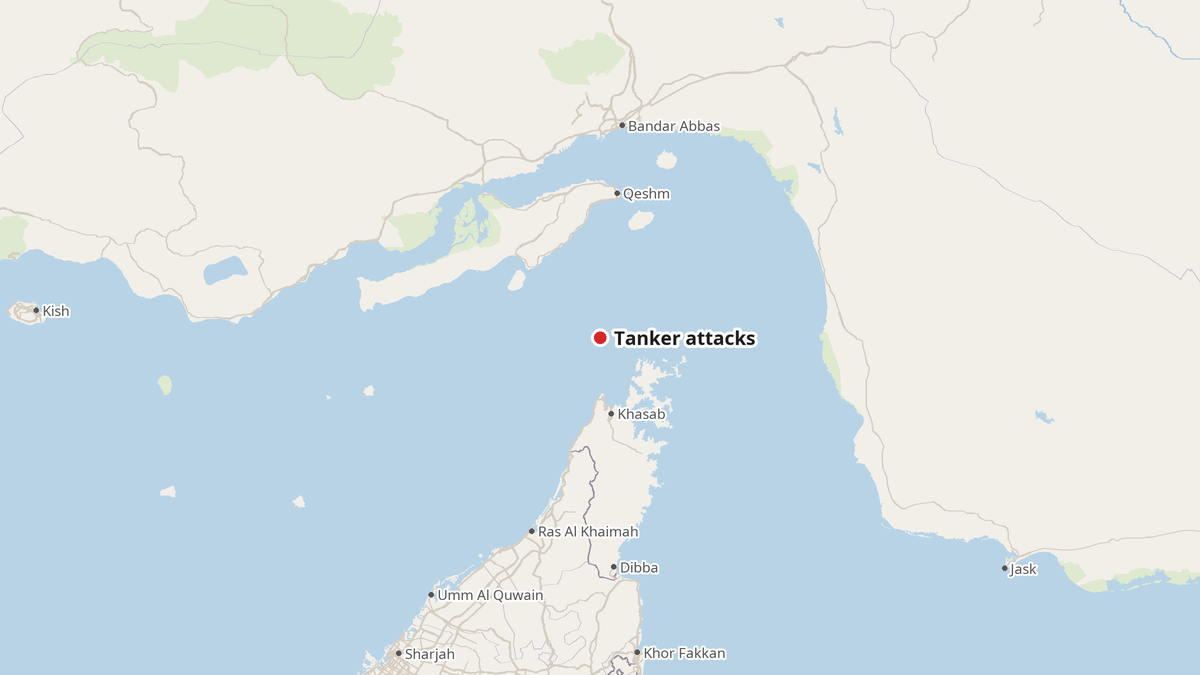
At least 25 seafarers have been killed since the Iran war began in late February, according to the International Maritime Organization, which has confirmed 130 incidents in the region, most of them attacks. The numbers keep climbing even as oil traders bet on calmer days ahead.
The gap between market optimism and conditions at sea was stark this week. On Tuesday, crude prices hit two-month lows after US officials downplayed the need for additional military action against Iran, with analysts pointing to President Donald Trump's more conciliatory tone since the Republicans' defeat in the November 3 midterm elections. Brent briefly broke below $90 early Wednesday, November 11, for the first time since August. It traded at $91.98 a barrel, down 59 cents, or 0.64%.
On the water, there's little sign of restraint. Thirty-seven ships were attacked in October, the highest monthly total since the war began about eight months ago, according to data from the Washington Institute for Near East Policy. November hasn't looked any different, Reuters reported on November 10.
The Human Cost at Sea
The people aboard these vessels are crew members doing a job, not combatants. On November 10, a projectile hit the Liberia-flagged VLCC MT Fujairah Energy while it transited the Arabian Gulf. Four crew members were injured, according to India's Ports, Shipping and Waterways Minister Sarbananda Sonowal. Six Indian seafarers were on board; one suffered minor injuries.
On Sunday, videos verified by Reuters showed a Navig8 tanker on fire near the coast of Oman. A satellite image from the European Union's Copernicus Sentinel-2 captured a large cloud of black smoke at the same spot. Iranian state broadcaster IRIB, citing the Islamic Revolutionary Guard Corps Navy, said it was one of three tankers hit that day for using "unauthorised routes" through the strait. The vessel is managed by Navig8, majority owned by ADNOC Logistics & Services. Neither company replied to Reuters' requests for comment.
The Revolutionary Guards Navy said in a separate statement that two tankers caught fire after hitting naval mines on the "unauthorized route." The UK Maritime Trade Operations agency reported another tanker struck northeast of Oman's Lima on Tuesday but didn't say who was responsible.
Blockade and Environmental Damage
US forces are still enforcing a naval blockade of Iranian ports. In the latest incident, a US military aircraft fired on and disabled a St Kitts-flagged cargo vessel that tried to leave regional waters after visiting an Iranian port on Saturday, US Central Command said.
The damage doesn't stop at the ships. Oil is leaking from damaged tankers. A video shared on social media on Monday and verified by Reuters showed oil reaching the shores of Oman, while satellite imagery showed spills off the coasts of Oman and the UAE. The Omani government didn't respond to Reuters' request for comment on Tuesday. Coastal communities, and the waters they depend on, are absorbing consequences of a conflict they didn't choose.
Strikes on Energy Infrastructure
The violence has also reached buildings on land. Iran and its regional allies have struck targets including the offices of Saudi Aramco, the world's largest oil company. Video verified by Reuters showed damage to an Aramco office building in Riyadh following Houthi-claimed missile strikes on November 8, three days ago. The Saudi Energy Ministry said the building was targeted in an attempted attack, with debris causing limited damage and no injuries or fatalities.
No one died in Riyadh. The tanker crews in the Gulf haven't always been so fortunate.
Why This Matters: The shipping lanes of the Gulf carry far more than oil. They carry working people, from Indian seafarers to crews of many nationalities, who are exposed to missiles, mines and fire while diplomats and traders weigh the prospects of de-escalation. The 25 seafarers killed and the oil washing onto Omani and Emirati shores show that harm accumulates even when headline prices fall. Markets are betting that Washington's softer tone after the midterms will translate into restraint, but the October record of 37 attacked ships and the incidents of the past few days point the other way. Without a political track that binds all sides, including the naval blockade, civilians who have no say in the war will keep bearing its costs.
- strait of hormuz
- tanker attacks
- iran war
- energy infrastructure
- saudi aramco
- oil prices
- naval blockade
- maritime security