
Egypt's parliament voted on Monday, October 26, to authorize President Abdel Fattah al-Sisi to take "all necessary measures" to help Saudi Arabia defend itself, a step that could pull Cairo more directly into a conflict that has already deepened Yemen's humanitarian crisis. At least two-thirds of the chamber backed the measure, according to a parliamentary statement shared with Reuters by members of the house. The authorization didn't spell out what that help would look like.
The vote came as fighting between the Saudi-led coalition and Yemen's Iran-allied Houthis intensified in recent weeks. The base reporting is plain on one point: the escalation has worsened Yemen's existing humanitarian crisis. The vote itself concerned the defense of Saudi territory, but the people with the most to lose from a wider war are the Yemenis living inside it.
The Escalation
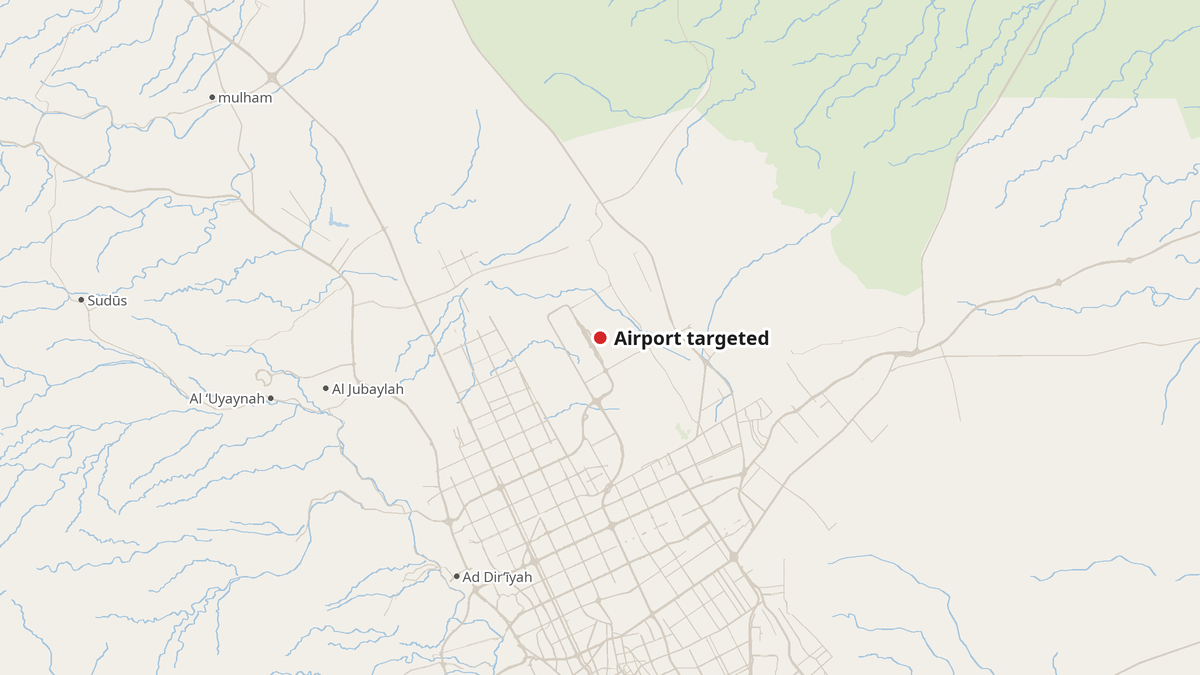
The approval followed Houthi attacks on Riyadh's international airport and on facilities belonging to Saudi Aramco, which disrupted flights and oil exports. The Houthis control Yemen's capital, Sanaa, and are fighting the coalition backing Yemen's internationally recognized government. They also claimed strikes on pumping stations along Saudi Arabia's East-West oil pipeline, which carries Saudi oil to Yanbu on the Red Sea and bypasses the Strait of Hormuz. Saudi authorities hadn't immediately confirmed the latest claims. Two terminals at Riyadh's airport had resumed operations only a day earlier after previous attacks forced them to close.
Al-Sisi told lawmakers that any Egyptian action would be limited to protecting Saudi territory and borders, not attacking Yemen. A regional official familiar with the plans told Ynet that Egypt would deploy air-defense systems to intercept missiles and drones, in a strictly defensive role. "Egypt will not send ground troops," the official said. The parliamentary text itself contained no such detail.
Diplomacy Alongside Deployment
Cairo says it still prefers talks. Foreign Minister Badr Abdelatty, who traveled to Riyadh the previous week with intelligence chief Hassan Rashad to deliver a letter from al-Sisi to Crown Prince Mohammed bin Salman, said Egypt advocated exploring "every opportunity" to resolve the Yemen conflict diplomatically. Parliament, chaired by Speaker Hisham Badawi, approved the mandate after closed-door discussions and an earlier postponement. Egypt's constitution requires two-thirds approval before troops can be sent abroad on combat missions.
Nawaf Obaid, a visiting senior research fellow at King's College London, told Al Jazeera that Saudi officials wanted reassurance that Egypt would stand with the kingdom if asked. The vote was Cairo's way of saying "it will be there," he said, though questions remained about what Riyadh might request and how Egypt would deliver it.
The Houthis' speaker, Yahya Ali al-Rai, urged Egypt's parliament the previous week to reject the proposal, warning that Egypt would threaten its own national security and internal stability.
History and Stakes
Egypt isn't a newcomer to Yemen. It intervened there in the 1960s and joined the Saudi-led coalition in March 2015, mainly as a naval partner securing Red Sea shipping lanes. It also deployed around 800 ground troops but played a limited combat role. It hasn't undertaken a large-scale foreign ground deployment since the 1991 Gulf War, 35 years ago. Cairo hadn't joined the Mecca mutual defence pact signed in August by Saudi Arabia, Pakistan and Turkey.
Egypt has its own interests at stake. Houthi attacks near Bab al-Mandeb, the southern gateway to the Red Sea, have disrupted shipping and cut Suez Canal revenue. Saudi Arabia, meanwhile, is a major political and financial partner under al-Sisi, providing billions of dollars in aid, central-bank deposits and energy supplies.
Washington's role is limited. People familiar with the matter told Reuters in September that President Donald Trump did not agree to strikes on the Houthis; the United States told Riyadh it would provide intelligence sharing and targeting assistance.
On the same day as the vote, al-Sisi met United Nations Secretary-General Antonio Guterres in Cairo. Egypt's presidency said Guterres praised Cairo's efforts to prevent escalation in the Gulf and said diplomacy could help address disputes over Iran's nuclear program and shipping. In a post on X, Guterres urged "maximum restraint," warning that further fighting could spiral out of control.
Why This Matters: Every new military commitment to the Yemen war raises the odds that a regional conflict hardens rather than ends. Yemen's civilians already live with a humanitarian crisis that the recent fighting has worsened, and a wider coalition means more missiles, more drones and more strikes in a country with little capacity to absorb them. Egypt's insistence on a defensive role and a diplomatic track is meaningful, but the authorization leaves its scope undefined. Guterres's warning that the fighting could spiral out of control describes what's at stake: a conflict that the people in its path never chose.
- egypt
- saudi arabia
- military support
- houthis
- yemen conflict
- abdel fattah al-sisi
- red sea security
- suez canal