
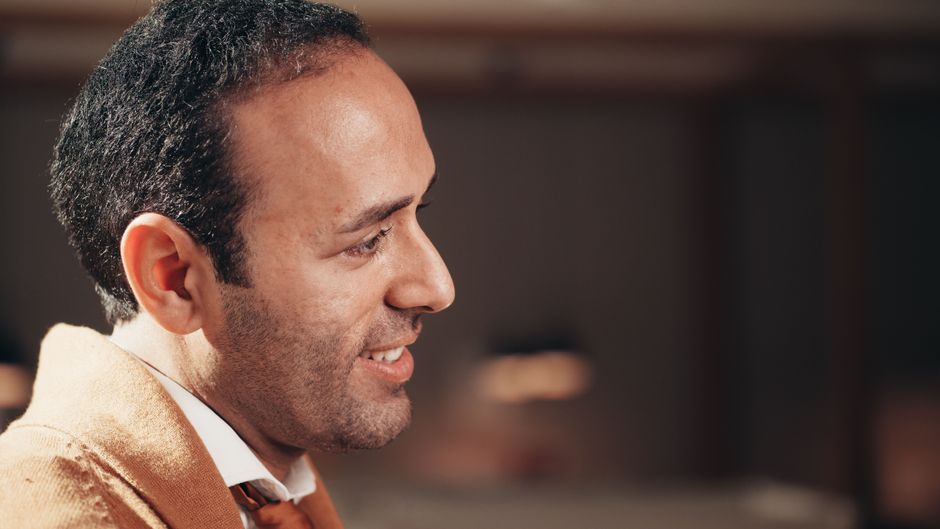
Ra’am party leader Mansour Abbas believes a minority government led by Yashar party chair Gadi Eisenkot, backed from outside by Arab parties, would be weak or impossible, Channel 12 news reported. The Jewish-led bloc opposing Prime Minister Benjamin Netanyahu failed to win a majority in its own right in the election. The proposal would rely on Arab parties’ support while keeping them outside the government.
The arithmetic of power
Abbas reportedly shared his doubts at a meeting with Ra’am party members. His view gets to the central problem facing the bloc: it lacks a majority on its own, and the reported arrangement would require Arab parties’ backing without bringing them into government. The account gives no vote totals, names no Arab parties that might support the proposal, and says no agreement has been reached.
That distinction matters. This is a possibility under consideration, not a formed government or confirmed deal. Abbas’s reported assessment is that the model is weak or impossible. The report doesn’t explain his reasoning, leaving the political arithmetic as the clearest fact: the opposing bloc didn’t win a majority by itself.
Support from outside
Only The Democrats have expressed openness to including Arab-majority parties. That leaves a clear divide between backing a government from outside and joining it. The reported scenario depends on the former; The Democrats’ stated openness concerns the latter. The account doesn’t say whether other parties have rejected inclusion, whether negotiations have taken place, or what terms any party might demand.
That distinction also limits what can be said about the proposal. There’s no reported statement here from Eisenkot, no confirmation that he has formally pursued a minority government, and no response from Netanyahu described in the report. It also offers no account of a policy agreement between the Jewish-led bloc and Arab parties. Instead, it reports a possible arrangement and Abbas’s pessimism about whether it could work.
A proposal, not a majority
The election produced a bloc opposing Netanyahu that failed to secure a majority on its own. That constraint sits behind the discussion. Arab parties’ potential support is being considered as a way to sustain a minority government, while only The Democrats have expressed openness to including Arab-majority parties.
The account gives no detail about how such a government would govern, what its supporters might receive in return, or whether outside support could continue. Those gaps shouldn’t be filled with guesses. For now, the reported facts show a bloc without its own majority, a possible reliance on Arab parties from outside the government, and Abbas’s view that the arrangement is weak or impossible. The parliamentary question remains unresolved.
- mansour abbas
- gadi eisенkot
- ra’am
- minority government
- arab parties
- israeli election
- the democrats
- benjamin netanyahu