
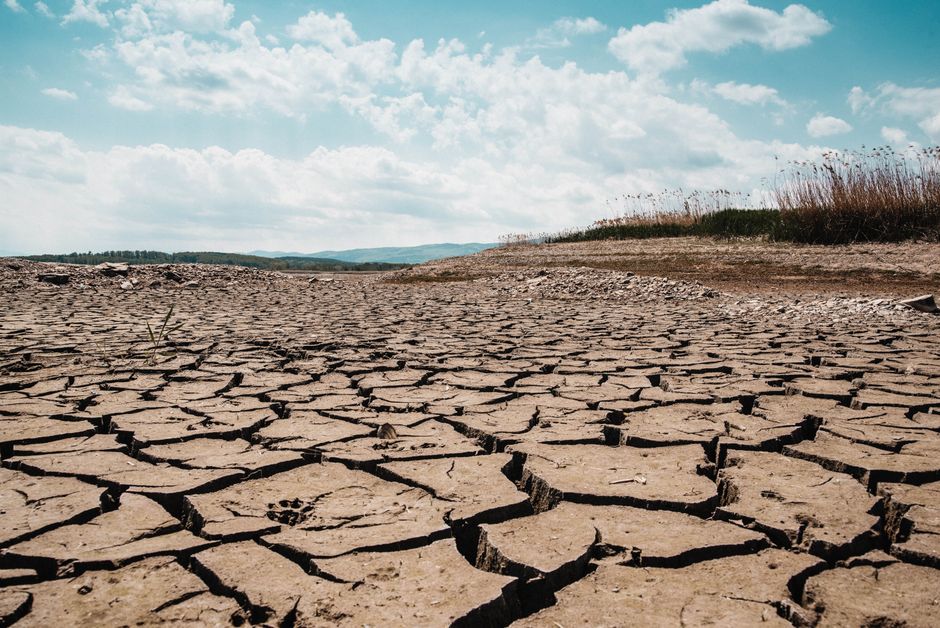
Indonesia and Malaysia have conducted more than 100 cloud-seeding operations this year, but the missions have done little to extinguish wildfires or disperse the haze cloaking Southeast Asia. The dry conditions, exacerbated by El Niño, have parched soils across Sumatra and Borneo and disrupted oil palm harvests, while toxic smog has forced schools to close and pushed air quality to unhealthy levels in Singapore and Kuala Lumpur.
Cloud seeding and the cost of drought
The wildfire season has been described by Bloomberg as the worst in a decade. Cloud-seeding efforts have not cleared the haze or put out the fires, even as Indonesia and Malaysia continue operations to try to produce rain amid extreme dryness.
The impacts reach beyond the fires themselves. Oil palm harvests have been disrupted, and schools have closed. Air quality in Singapore and Kuala Lumpur has fallen to unhealthy levels.
In the Philippines, Social Welfare Secretary Rex Gatchalian said the Marcos administration began preparing for the anticipated super El Niño as early as 2025. “When we talk about El Niño, we have to understand that yes, it is a concern, but yes, we (also) saw this coming,” Gatchalian told The STAR's “Truth on the Line” the day before the report was published.
Food and water preparations
Gatchalian said the government’s whole-of-government approach included food stockpiling, solar-powered water pumps, water impounding projects and additional water treatment facilities. The Department of Agriculture had 75 days’ worth of buffer stocks of rice, both locally produced and imported, and more than 100 days’ worth of pork and chicken supplies, he said.
“Our supplies are in those cold storages. So, this means this had been laid out already ahead of time. So, from helping our farmers to stockpiling food, we have more than enough, because that falls into food security,” Gatchalian said.
The government has been rolling out solar-powered pumps to reduce reliance on electricity-driven systems. President Marcos inaugurated completed facilities in Ifugao, Cagayan and Cananga in Ormoc, Leyte. Gatchalian said the rollout had been underway over the years, and that he went with Marcos to Isabela as early as 2024.
Small water impounding facilities have been built since 2023 to store water from springs, rivers and streams, including in remote communities. Authorities have also encouraged communities to use deep wells during the dry season. Gatchalian said more than 60 to 70 dormant wells had been activated, with further wells expected to return to operation.
Treatment, distribution and power
Six new water treatment facilities, mostly in Luzon, where many of the country’s dams are located, were expected to become operational that month. Gatchalian said the government was asking citizens to collect rainwater, but that filtration was needed to make it safe to drink.
“We're asking our citizens to collect rainwater. But how are they going to use it? So, we need some type of filtration system to make sure the water they will be drinking is potable,” he said. He identified the filtration system as one provided by Waves for Water, which operates in more than 40 countries and provides clean-water facilities. The system, initially used for camping and outdoor activities, is among the government’s measures to help communities access potable water.
Gatchalian said the Department of Environment and Natural Resources, Metropolitan Waterworks and Sewerage System, Local Water Utilities Administration and Department of Agriculture were working to repair water distribution systems and reduce water losses. The Department of Energy was working to maintain stable power supplies, including through battery storage systems and energy barges in island provinces.
- el niño
- philippines
- rex gatchalian
- water security
- food security
- solar water pumps
- cloud seeding
- southeast asia