
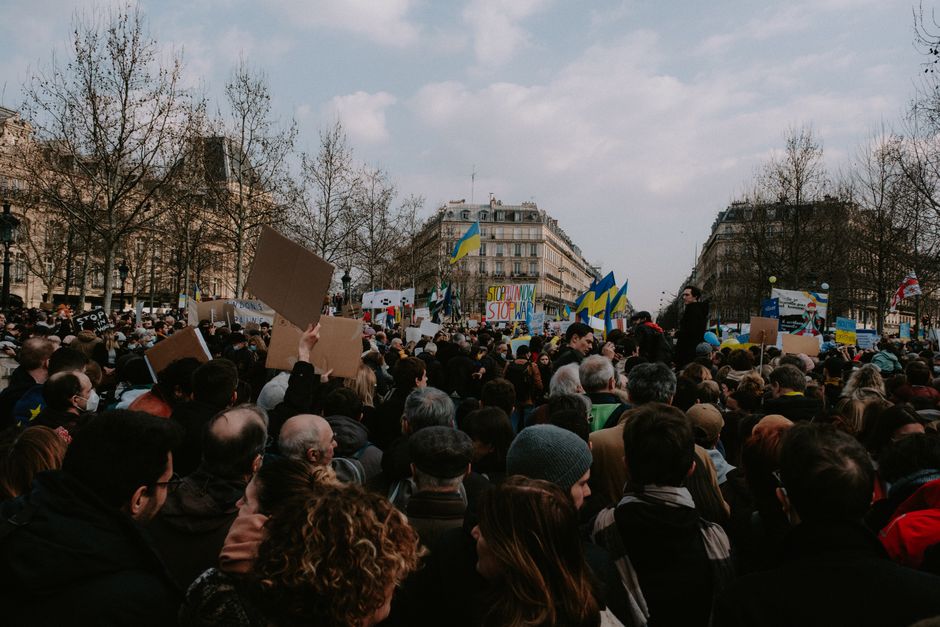
Police in France, Italy and Spain fired tear gas and swung batons on Oct. 25, 2026, as protests over rising living costs, cuts to public services and military spending turned violent. Protesters built barricades and set fires in the streets. Unrest returned for another day.
The pattern matters as much as the images. Three of the EU’s largest economies saw the same grievances lead to confrontations on the same day. Citizens weren’t marching over one decision in one capital. They were protesting the cost of ordinary life and how governments choose to spend public money.
What the Streets Are Saying
The demonstrators’ complaints fall into three categories, according to the report on the day’s events: rising living costs, cuts to public services, and military spending. That combination puts governments across the continent in a difficult political position. Defence budgets are climbing while households say they can’t make ends meet and governments trim public services.
The source material doesn’t break down each government’s defence spending or say how deep the service cuts run; it gives no official figures. But it does establish that protesters see a connection between the two. Whether that link holds up under scrutiny is a question for budget offices, but the perception is already driving people into the streets.
Housing appears in the title of this coverage, and protests also reached Lisbon, Portugal. The base reporting offers no details on the Lisbon demonstrations beyond their place in the wider picture. The cost of a roof over one’s head has become a pan-European grievance. It isn’t confined to countries where police used tear gas.
Order and Accountability
The violence deserves plain reporting. Barricades and street fires aren’t peaceful assembly, and police responded with tear gas and batons. The source doesn’t say how many people police injured or arrested, and no figures are available. Governments in all three countries now face two tasks: restoring order and answering the substance of the complaints.
The base reporting quotes no national official, party leader or industry body, so there’s no on-the-record government response to cite. That silence stands out. When protests span multiple capitals, political reactions usually follow quickly, and voters will watch which leaders speak and what they offer.
The Budget Squeeze
The underlying problem is arithmetic. Public money is finite, and each euro committed to military spending is one not available for services or relief from rising living costs. Protesters have made exactly that connection. Governments that want both credible defence and functioning public services will have to explain how they’ll pay for each without putting more costs on households already under strain.
Why This Matters:
The unrest shows how little public patience remains when living costs rise and governments appear to reorder priorities. For finance ministries, the lesson is clear: spending choices need public legitimacy, not just parliamentary majorities. For the EU, simultaneous protests in France, Italy and Spain are a reminder that national budgets, not Brussels directives, are where citizens feel the pinch and assign blame. Governments that can’t show where the money goes, and why, will find the streets answering for them. Restoring trust will depend on visible results on housing, prices and services, and on candour about trade-offs.
- living costs
- protests
- france
- italy
- spain
- public services
- military spending
- police clashes