
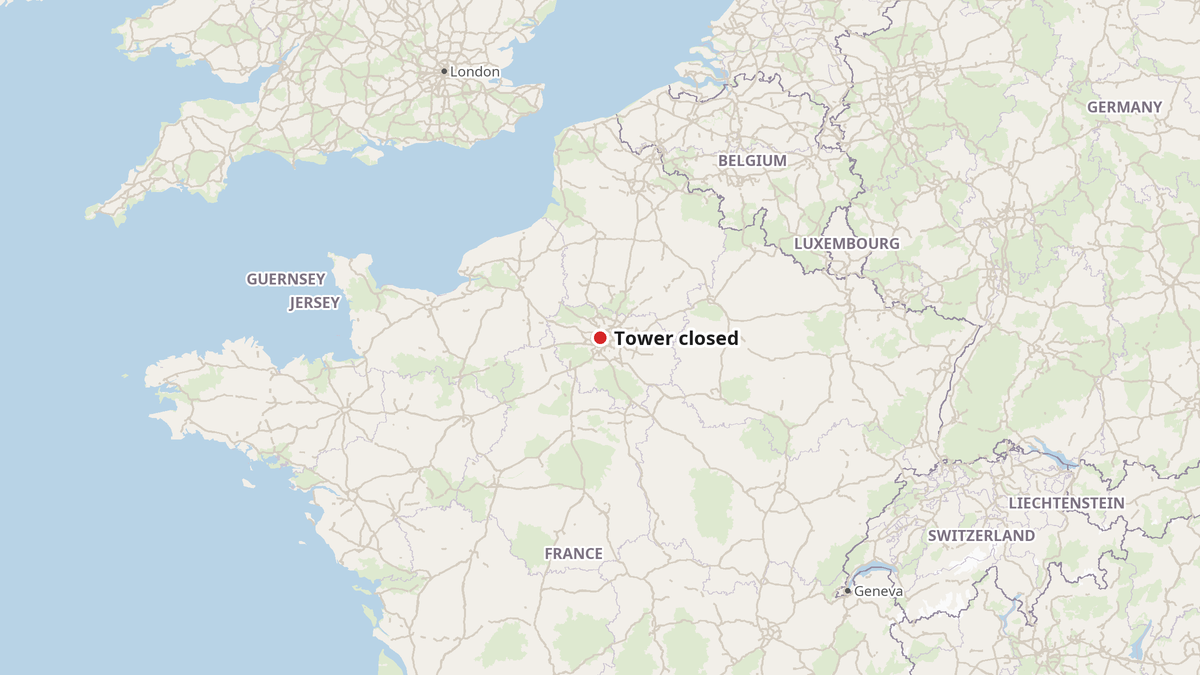
Riot police fired tear gas at a demonstration in Lyon on Thursday as workers across France walked out. Hundreds of thousands were expected on the streets. Unions called the strike for November 5, with organisers expecting protests in 260 cities and towns. The Education Ministry said 16 percent of teachers nationwide were expected to join.
Crowds gathered in Marseille, Lyon and Nantes in the morning. A rally in Paris was set to begin at 13:00 GMT. The demands cover higher minimum wages and salaries for all workers, tax reforms, and better conditions in schools.
How a Student Protest Became a National Movement
The unrest didn't begin with the unions. Students first demonstrated in September over poor conditions at public high schools. Over roughly two months, the protests grew, taking in grievances about the rising cost of living and calls for better public services, including education.
Rebecca Collard of Al Jazeera reported from Marseille and described how the movement spread. "These protests started in Paris with the student movement," she said. "In the last few weeks, we've seen them spread across the country and Marseille is one of the cities where we've seen some of the largest."
France isn't alone in facing this pressure. Germany and Portugal have also seen protests in recent weeks over declining living standards and a shortage of affordable housing. Household budget pressures reach across the continent, rather than belonging only to France.
Order, Image and the Government's Response
President Emmanuel Macron called a defence and security meeting on Wednesday to "ensure public order" before the demonstrations. The government wanted to prevent a repeat of the unrest seen in October. France has also faced allegations of police violence in its handling of the protests, adding a second front to an already difficult week for the authorities.
The disruption has touched French diplomacy, too. Reuters reported that officials moved an upcoming G7 foreign ministers' meeting from Marseille to Paris at the last minute, after six weeks of nationwide protests. Diplomats told Reuters the decision was "chaotic" and would harm France's image.
The Political Clock
The timing is awkward for the Élysée. France is due to elect a new president in April 2027, about five months away. Macron can't run again because of the two-term limit. Polls suggest far-right candidate Marine Le Pen is the favourite, which would make her France's first female president.
That backdrop shapes every government decision. Citizens frustrated by prices, housing and stretched public services will also decide the succession. A government that looks unable to keep order or control living costs gives its rivals an argument.
Why This Matters:
The strikes show how quickly economic anxiety can become political risk when households feel squeezed and public services seem to be failing. For France, the stakes are immediate: a presidential election in April 2027, a favourite from the far right, and a government under pressure over wages and policing. Demands for a higher minimum wage and broader tax reform raise hard questions about public finances and competitiveness; no government can answer them with promises alone. Similar protests in Germany and Portugal suggest this isn't one country's problem. Governments that restore a sense of control over living costs and public order may keep the centre ground. Those that don't should expect voters to look elsewhere. That is a perspective on the evidence, not a prediction.
- france protests
- labor strikes
- cost of living
- trade unions
- minimum wage
- emmanuel macron
- paris
- public services