
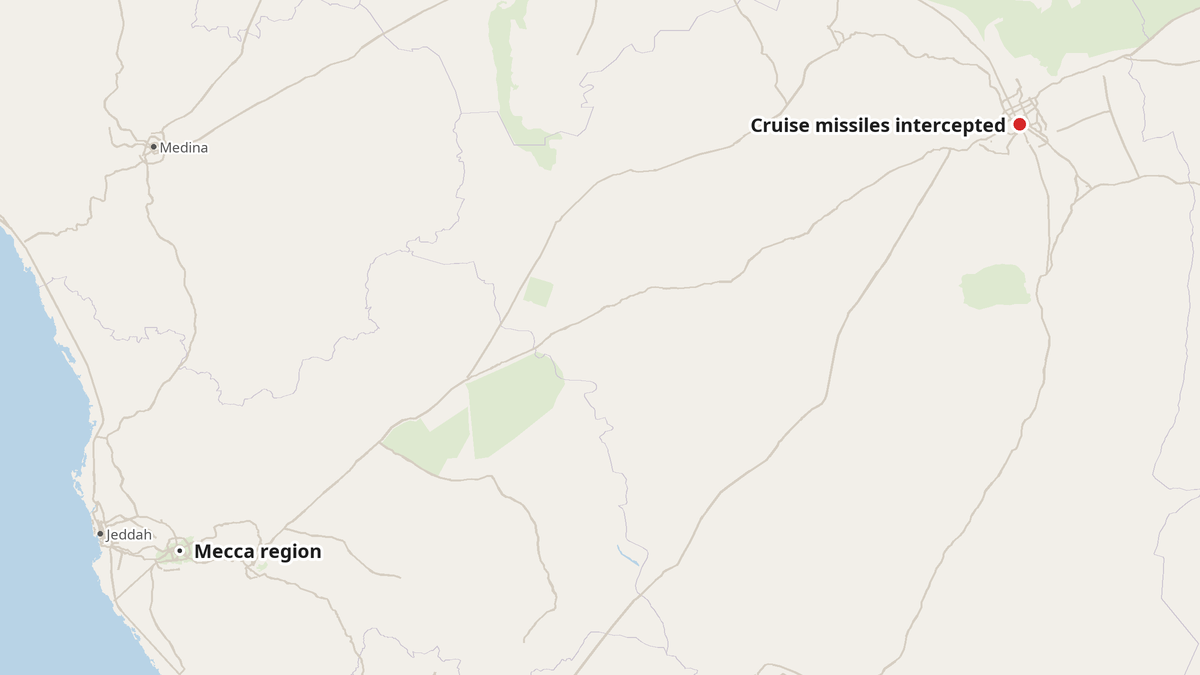
More than 320,000 people have fled their homes in Yemen since August 1, including almost 16,000 in the past week alone, according to the World Health Organization. The figure lands as the fighting spills across the border, and as debris from two Houthi ballistic missiles fell in Saudi Arabia's Mecca region on Wednesday, November 11, 2026.
The Humanitarian Picture
The WHO's numbers are stark. Casualties from the fighting in Yemen have climbed to 11,755 as of November 8, including 2,098 killed and 9,657 wounded. More than 2,000 of those casualties were recorded in just nine days. Marib and Lahij are among the worst-hit governorates.
The damage isn't confined to the front lines. The WHO said strikes have hit health facilities and ambulances. Critical fuel shortages are disrupting emergency medical services in Taiz. Medical supplies have been delivered, and a vaccination campaign is targeting nearly one million children. But the agency warned that major gaps remain in trauma care, rehabilitation and mental health services.
In Aden, the seat of the internationally recognised government, residents are living under repeated shelling. Information Minister Salem al-Awalqi said Houthi attacks, most recently on the densely populated al-Buraiqa district, reflect "the militia's established pattern of targeting civilians and terrorising innocent people." Houthi military spokesperson Yahya Saree offered a different account. He said his forces had "successfully targeted" a Saudi coalition military command and control centre in al-Buraiqa with "several ballistic missiles." Two Yemeni security sources told AFP of explosions in Aden on Wednesday, saying two missiles struck a coalition camp in the city's west and a third hit another camp in the centre. That camp had been attacked several times last month.
Missiles Toward the Holy City
Saudi Arabia said its air defenses intercepted and destroyed two ballistic missiles launched by the Houthis toward the Mecca region, with debris falling in several locations. Saudi state television identified two of them: Sabuhah village, about 35 km (22 miles) northeast of the Grand Mosque, and Wadi al-Maghmas, about 21 km east of it. Civil Defence teams responded, and authorities said they acted immediately to protect lives and property.
Earlier, coalition forces said they had intercepted three cruise missiles launched toward Riyadh, along with drones aimed at Mecca and the kingdom's southern regions. The coalition also announced overnight that a drone was intercepted and destroyed in the Eastern Province.
Saudi Arabia's civil defense called the attack "a flagrant violation of international humanitarian law" reflecting "the dangerous hostile approach pursued by the Houthi militia." A Houthi spokesperson rejected what he called Saudi "lies" about a drone launched toward Mecca. He said a drone was launched at a pumping station in Yanbu on the Red Sea, and that three cruise missiles targeted Riyadh's King Khalid International Airport. The Houthis have repeatedly denied targeting Mecca and Medina, Islam's two holiest cities, saying their operations are aimed at military and strategic targets elsewhere in Saudi Arabia. They had yet to comment on the latest incident.
Fighting on the Ground
Inside Yemen, the war is intensifying. Majed Abdullah al-Nuzaili, spokesperson for Yemen's army, said at least 138 Houthi fighters were killed or wounded in hundreds of targeted attacks. In a post on X, he said Saudi-backed Yemeni forces carried out 773 field artillery attacks, 44 drone strikes and 37 rocket attacks in al-Jawf, Marib, al-Bayda and Taiz governorates. Saudi-led coalition forces conducted 23 air strikes, damaging 86 heavy weapons and military vehicles.
Despite those claims of progress, Saudi-backed forces have failed to stop Houthi attacks on al-Buraiqa. The Houthis seized Sanaa 12 years ago, and Saudi Arabia intervened militarily 11 years ago in support of the internationally recognised government. A UN-brokered truce four years ago largely froze the conflict. Hostilities resumed earlier this year, with Houthi missile and drone attacks on Saudi territory and Saudi airstrikes in Yemen. The escalation now threatens the Bab el-Mandeb Strait, a key shipping route linking the Red Sea and the Gulf of Aden.
Why This Matters:
The numbers tell the story the military statements don't. Over three months, more than 320,000 Yemenis have been uprooted, and ambulances and clinics have been caught in the fire. A truce that held for four years has collapsed, and each side now accuses the other of violating international humanitarian law while civilians in Aden, Taiz and Marib absorb the consequences. Missiles falling near Islam's holiest city raise the regional stakes, and threats to the Bab el-Mandeb Strait put a vital shipping route at risk. The WHO's warning about gaps in trauma care and fuel shortages points to a health system already stretched past its limits. Without a return to the diplomacy that produced the 2022 truce, the human toll will keep climbing.
- houthi
- saudi arabia
- yemen
- mecca
- ballistic missiles
- aden
- civilian casualties
- bab el-mandeb strait