
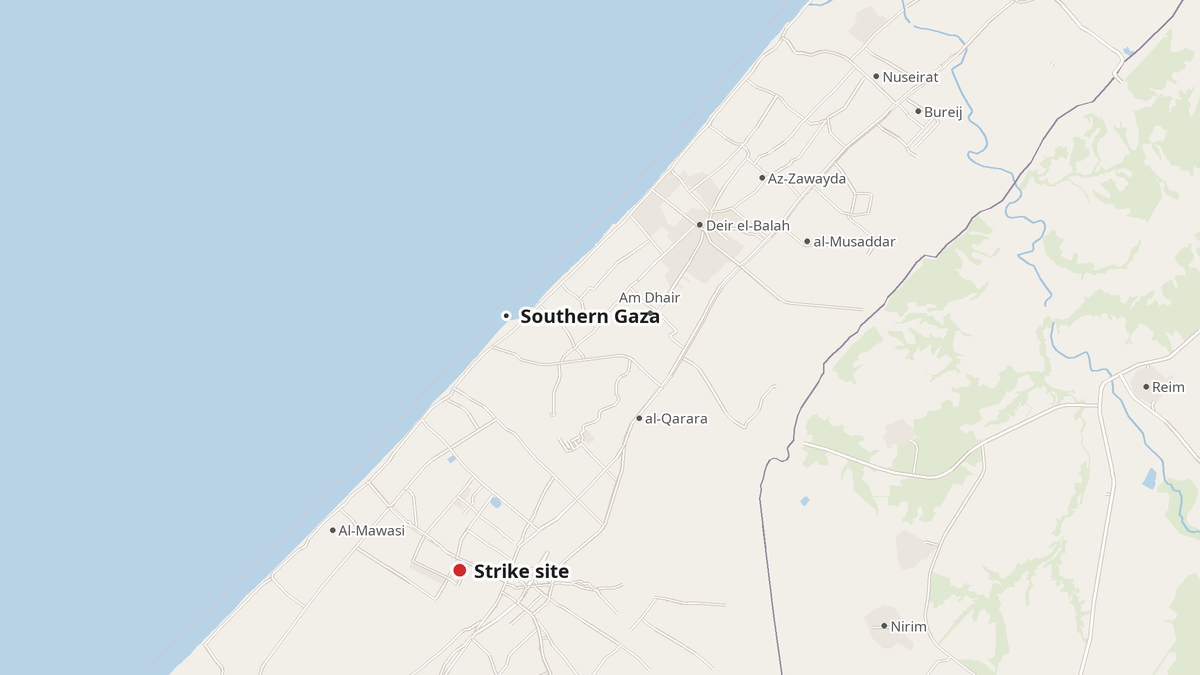
An overnight Israeli airstrike on Nasser Hospital in Khan Younis, southern Gaza, killed people and injured nearly 20 others, and it knocked out the hospital's intensive care unit and surgical ward. The strike came today, according to reports published November 12, 2026.
The death toll isn't settled. The article's headline figure is six dead, but a live-blog report put the toll at five killed. Either way, the people hurt in the strike were in a place built to treat the injured, and now two of its most critical departments are closed.
The Humanitarian Picture
The intensive care unit and the surgical ward are the parts of a hospital that keep the gravely wounded alive. With both shut, patients who need ventilators or emergency surgery lose the facility that was supposed to provide them. Nearly 20 people were injured in the strike itself, adding to the load on a medical system that now has fewer places to put them.
The source material doesn't say where those patients were moved, how many were in the ICU at the time, or how the hospital's remaining staff are coping. Those are the questions that will matter most in the hours ahead, and they remain unanswered.
The Israeli Position
The Israel Defense Forces confirmed the overnight strike. It said the target was a senior Hamas operative and additional members of Hamas' military wing who were operating at the hospital. "They were targeted in an aerial strike to eliminate the threat they posed, after establishing a presence within the hospital complex," the IDF said.
That's a serious allegation, and it deserves to be reported as the IDF's account. The material available doesn't include independent verification of who was killed, whether the dead included militants, patients, medical staff or other civilians, or what warnings, if any, were given before the strike. Hamas's presence inside a medical facility, if true, would place civilians at risk. A strike that closes the ICU and surgical ward also places them at risk. Both things can be documented without pretending they cancel each other out.
A Wider Day of Violence
Al Jazeera's live coverage on November 12, 2026, also reported Israeli killings in Gaza that day, alongside other regional developments tracked in the same live-blog. The Nasser strike didn't happen in isolation. It's one entry in a day of reporting on deaths in Gaza.
What the available reporting can't yet answer is the human detail: the names of the dead, the ages of the injured, and what the doctors and nurses who work at Nasser say they can still do without an ICU or an operating ward. Those voices, from Palestinian medical staff and from Israeli officials, will be essential to understanding what happened.
Why This Matters: Hospitals hold special protection under international humanitarian law, and a strike that kills five or six people, injures nearly 20 and disables the intensive care unit and surgical ward is a test of how that protection works in practice. The IDF says it targeted Hamas fighters embedded in the complex; the result on the ground is a medical facility that can no longer treat its most critically ill patients. Independent investigation, public evidence and clear accounting of who died would let the public judge the competing claims. Without it, the people who pay the price are patients who now have one less place to go for life-saving care, in a territory where alternatives are already scarce.
- nasser hospital
- khan younis
- gaza
- israeli airstrike
- israel defense forces
- hamas
- hospital attack
- gaza war